
Innovations Stem Cell Center (ISCC)
Innovations Stem Cell Center (ISCC): Standardizing Stem Cell Care for an Evidence-Driven Future
Dr. Bill Johnson, CEO

Life Science Review Weekly Brief
Be first to read the latest tech news, Industry Leader's Insights, and CIO interviews of medium and large enterprises exclusively from Life Science Review

By following a consistent treatment protocol, we minimize variables and provide a clear understanding of each intervention’s clinical efficacy while creating a strong foundation for outcomes research.
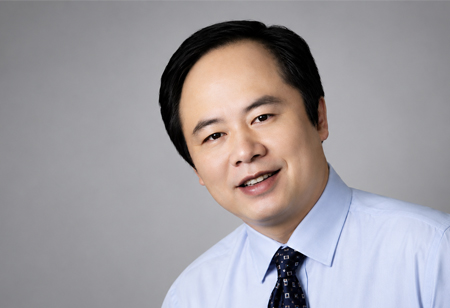

We’ve sat on both sides of the table as brand builders and manufacturing partners. That dual perspective is at the heart of how we support our clients today

We always default back to, is it in the patient’s best interest? They always come first, and when you put the patient first, it's very easy to make the right choices time and time again.

We always think about the end when we're starting something, and it gives you a very different view of what you're trying to achieve.
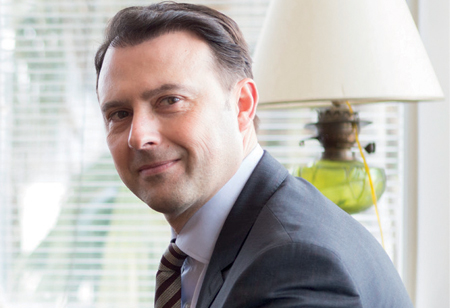




We’re witnessing the body repair itself in remarkable ways, and that’s incredibly rewarding.


We’ve Designed This Center To Offer Advanced Medical Treatments In A Space Where Patients Feel At Ease. Healing Happens Faster When You’re Comfortable And At Peace, And We’ve Ensured Our Patients Feel That From The Moment They Walk In



Stem cell therapy treatments are among the most promising fields in regenerative medicine, merging together advancements in cellular biology, cell transplantation, tissue repair, and personalized therapy. The core idea is that stem cells are able to divide over and over again and, depending on the type of stem cell and its surroundings, take on the characteristics of specific cells that can aid tissue repair or repair functions impaired by disease or injury. The clinical picture is not as simple as it is sometimes thought to be in regenerative medicine.
Some stem cell therapies have proven to have defined uses, such as blood and immune system diseases, and many other therapies are still being investigated. Bone marrow, peripheral blood, umbilical cord blood and other tissues can all be sources, and studies are underway to investigate induced pluripotent stem cells and other engineered cell options. The type of cell, processing, the route for delivery and the treatment goals may have a major impact on clinical results.
Stem Cells Unleashed: Healing Potential
The growing interest in stem cell-based approaches to treatment can be attributed to several healthcare trends. As chronic and degenerative diseases continue to be a problem, researchers are seeking ways to go beyond symptom management. Such situations with damaged tissues, reduced blood production, and immune dysfunction, and some forms of cancer have led to the development of therapies that directly target cellular mechanisms. Scientists have mastered the techniques for isolating, characterizing, expanding, preserving and modifying cells in controlled environments.
New lab methods enable researchers to study the activity of transplanted cell types and their interactions with tissue. The efficacy of stem cell treatments may be tailored to the nature of a patient, especially if cells are derived from the patient. Academic institutes, health care institutions, biotechnology developers and dedicated treatment facilities are still exploring the potential applications in the fields of hematology, oncology, immunology, orthopedics, neurology, ophthalmology, and tissue repair.
Regulators are increasingly stressing the need to show safety and effectiveness before experimental treatments become commonplace in the clinic. Investigative programs cover disorders of the nervous system, cardiovascular diseases, metabolic diseases, musculoskeletal injuries, diseases of the eyes and damage to tissues. The areas are still scientifically interesting, though evidence ranges widely from application to application.
Cell Therapy Revolution Beyond Simple Tissue Replacement
The most well-documented uses for stem cell transplants are in diseases of the blood-forming and immune systems. Hematopoietic stem cell transplantation can restore normal or impaired blood-forming systems and has proven to be a valuable treatment for specific types of blood cancer and other severe conditions. The focus in treatment development is on understanding the therapeutic effects that cells produce.
Instead of the idea that the transplanted cells simply replace damaged tissue, researchers are studying other mechanisms, such as immune modulation, intercellular signaling, facilitation of established repair processes, and interaction with the tissue environment. Tight control of manufacturing processes can minimize variability among treatment lots and increase the level of confidence in clinical results. The application of advanced imaging, genomic analysis, automation, AI and better cell-culture systems can help researchers characterize cellular behavior and determine potential therapeutics.
The latest technologies help in the more accurate identification of patients and treatment plans. While these advances have been made, there is a need for careful delineation of existing and experimental therapies in the field. Regulatory approval, clinical-trial evidence, treatment protocols and long-term safety monitoring are still crucial. Just because a clinical trial is available or there is a treatment that is provided in a specialized clinic doesn't mean it is the best or even the most proven treatment for every condition.
The Future of Stem Cell Therapy Treatments
The success of stem cell therapy will rely on the success of bringing laboratory findings to a reproducible clinical effect. Researchers have to show the immediate benefit of a treatment and that it is significant in the long-term. As an increasing number of therapies move into clinical use, robust manufacturing standards and long-term monitoring will become more relevant. Platforms for treatment could involve cellular replacement and gene and molecular editing, tissue engineering, biomaterials, and organoid studies.
The combinations can enhance the scope of therapeutic applications of regenerative medicine and make clinical development more complicated. There will be a need to augment the capabilities of healthcare providers in the context of a multidisciplinary approach. Transplant specialists, cell-processing laboratories, genetic experts, pharmacists, nurses, rehabilitation specialists, and long-term monitoring teams may be needed for successful delivery.
The development of these skills will be crucial when treatments begin to be applied to a larger setting, like clinical practice. In the end, stem cell therapy will move on based on proof, not hope. Although the field has shown great promise for therapeutic use, further research and development efforts are needed to ensure its long-term success and potential in treating various diseases. As these foundations grow, stem cell-based medicine may become more of a part of the modern-day healthcare system.
Gene therapy and cancer solutions are transforming the landscape of modern healthcare by introducing innovative approaches to manage various forms of cancer. As scientific understanding of genetics and cellular behavior continues to expand, healthcare researchers and biotechnology organizations are developing therapies that target cancer at its biological source rather than relying solely on conventional treatment methods. These advancements are creating new possibilities for personalized medicine, improved treatment outcomes, and more precise therapeutic interventions.
Researchers are increasingly exploring genetic-based solutions that address the underlying mechanisms responsible for disease development and progression. Gene therapy focuses on modifying, replacing, or influencing genetic material within cells to help combat disease. The rapid advancement of healthcare is driving significant interest in gene therapy, which is emerging as a vital focus for developing more effective and personalized strategies for cancer treatment. This innovative approach aims to tailor therapies to individual patients, potentially enhancing treatment outcomes and transforming the landscape of cancer care as we seek more targeted solutions.
Targeted Therapies and Personalized Treatment Approaches
Cancer develops differently from one person to another, even among patients with the same diagnosis. Genetic analysis helps healthcare professionals better understand these differences and identify treatment strategies that may be more effective for specific patient populations. Targeted therapies are becoming increasingly important within oncology. These treatments are designed to interact with specific genetic or molecular features associated with cancer growth and progression.
By focusing on particular biological pathways, targeted approaches may improve treatment precision and support better patient outcomes. Gene-based technologies are also helping researchers explore ways to strengthen immune responses against cancer. Certain therapeutic strategies aim to enhance the body's natural defense mechanisms, allowing immune cells to identify and attack cancerous cells more effectively.
Advances in genomic research are contributing to earlier detection and improved treatment planning as well. Understanding genetic changes associated with cancer can help guide clinical decision-making and support more personalized care pathways. The shift toward individualized treatment models represents one of the most important developments in modern cancer care, creating opportunities for more precise and patient-centered therapeutic strategies.
Research Advancements and Clinical Development
The rapid pace of biotechnology innovation is driving significant progress in gene therapy and cancer solutions. Researchers continue investigating new methods for delivering genetic therapies safely and effectively while improving treatment accuracy and long-term outcomes. Advanced laboratory technologies are enabling a deeper understanding of cancer biology and genetic interactions. These insights help scientists identify potential therapeutic targets and develop innovative treatment approaches that address complex disease mechanisms.
Clinical research remains a critical component of innovation within the field. Healthcare organizations, research institutions, and biotechnology developers continue evaluating emerging therapies to understand better their effectiveness, safety, and potential applications across different cancer types. Manufacturing capabilities are also evolving to support the growing complexity of gene-based treatments. Advanced production processes help ensure quality, consistency, and scalability as more therapies move through development and into clinical use.
"Researchers, clinicians, technology specialists, and life sciences organizations are working together to address scientific challenges and expand treatment possibilities."
Collaboration across healthcare sectors is accelerating progress. Researchers, clinicians, technology specialists, and life sciences organizations are working together to address scientific challenges and expand treatment possibilities. The combination of technological innovation and scientific research is helping drive the continued evolution of cancer therapies and genetic medicine.
Patient Impact and the Evolution of Cancer Care
The future of cancer treatment is expected to become increasingly personalized, with gene therapy playing a growing role in comprehensive care strategies. Continued advancements in genetics, molecular biology, and biotechnology may provide new opportunities to improve treatment effectiveness and patient experiences. Early intervention remains an important focus area.
Enhanced diagnostic capabilities and genetic screening technologies could support earlier identification of cancer-related risks and facilitate more proactive treatment planning. Gene therapies may increasingly be integrated with existing treatment modalities to create more comprehensive and individualized care strategies. Accessibility and healthcare infrastructure will remain important considerations as advanced therapies continue to develop.
Expanding availability and supporting equitable access to innovative treatments will be essential for maximizing patient benefit. Regulatory oversight and safety evaluation will continue guiding the responsible development of gene-based technologies. Maintaining rigorous standards helps ensure that new therapies meet established requirements for quality and patient care. Healthcare providers are increasingly focused on improving quality of life, treatment experiences, and long-term outcomes alongside clinical effectiveness.
Gene therapy and cancer solutions will continue advancing toward more targeted, precise, and personalized treatment models. The emphasis will remain on understanding the biological foundations of cancer and developing innovative approaches that support better patient care. For healthcare professionals, researchers, and patients alike, gene therapy stands out as a hopeful advancement in cancer treatment. Through a combination of scientific innovation and personalized medicine, this approach offers exciting possibilities for addressing cancer and improving patient outcomes.
The pharmaceutical industry, which focuses on innovative prescription drugs and intricate therapeutic interventions, is transforming due to evolving consumer expectations, rapid scientific advancements, and a global shift toward preventive healthcare. As individuals become more proactive in managing their health, the distinction between medicine and wellness is increasingly indistinct, thereby creating new avenues for expansion. Central to this paradigm shift is the burgeoning market of dietary supplements, which integrates nutrition with medicine, presenting pharmaceutical companies with a strategic opportunity to broaden their scope beyond conventional therapeutics.
Leveraging Core Competencies for Market Leadership
A significant advantage for pharmaceutical companies entering this sector lies in their inherent and foundational expertise. The industry is predicated upon a robust foundation of scientific research, meticulous development, and stringent quality control. While the regulatory environment for supplements diverges from that of pharmaceuticals, the fundamental tenets of sound scientific practice and manufacturing excellence are universally applicable. Pharmaceutical entities can leverage their in-depth understanding of formulation, stability testing, and bioavailability to develop superior supplement offerings. They are uniquely positioned to infuse supplements with a degree of scientific rigor and validation frequently absent from the broader market. This unwavering commitment to quality can serve as a potent differentiator, establishing a new benchmark and cultivating an invaluable level of consumer confidence.
The incorporation of supplements into a pharmaceutical portfolio can establish potent partnerships. These products are not intended to supersede conventional pharmaceuticals but rather to complement a comprehensive approach to health. A company can cultivate a line of supplements to address a specific aspect of health, such as cardiovascular well-being, cognitive function, or immune support, thereby providing an intermediary solution for consumers who do not yet require a prescription but are proactively seeking to manage their health. This fosters a continuum of care that addresses a broader range of consumer needs, reinforcing the company's reputation as a trusted partner in health. Furthermore, existing research and development pipelines within a pharmaceutical company may contain promising compounds that do not fulfill the criteria for a prescription drug but could serve as excellent candidates for supplement formulation. This presents an opportunity to extract additional value from substantial research investments.
“Pharmaceutical companies can bring greater trust to the supplement market by focusing on science, quality, and proven health benefits for every consumer.”
Integration with Pharmaceutical Expertise
The stringent research, rigorous quality control, and innovative culture inherent within the pharmaceutical industry possess the capacity to revolutionize the supplement sector. This transformation would lend it greater scientific credibility and foster increased consumer confidence. By integrating pharmaceutical precision and transparency into nutraceutical development, supplement lines can be strategically positioned as dependable, evidence-based solutions for promoting health and wellness. This approach enables the development of advanced products tailored to achieve specific outcomes, encompassing cardiovascular support, cognitive enhancement, and optimized athletic performance. It also allows the integration of genomics, metabolomics, and real-world evidence to provide personalized recommendations, aligning with contemporary trends in precision medicine.
The pharmaceutical industry's legacy of scientific innovation is paving the way for a new era in the formulation, delivery, and validation of dietary supplements. Leveraging advanced research and development capabilities, companies can engineer supplements possessing optimal bioavailability, precise release mechanisms, and substantiated efficacy, thereby distinguishing themselves within a market frequently impacted by inaccurate information. Through the integration of clinical trials, digital health data, and AI-driven ingredient discovery, the pharmaceutical sector can spearhead entirely new categories—ranging from adaptogens and nootropics to postbiotics—thereby ensuring products adhere to the most stringent standards of safety and performance.
Beyond product development, pharma’s established distribution networks and relationships with healthcare professionals position them to bring these high-quality supplements to mainstream audiences. Trusted channels such as pharmacies, health systems, and telehealth platforms provide ideal environments for consumer education and product recommendations. Coupled with digital commerce and omni-channel strategies, this reach ensures both accessibility and convenience, fostering loyalty and driving sustainable market growth.
Building Trust in Wellness: Pharma’s Role in Elevating Supplements
Trust forms the cornerstone of both the pharmaceutical and dietary supplement industries. By applying the same rigorous standards of safety, efficacy, and transparency used for medicines, pharmaceutical companies can position themselves as credible leaders in wellness. This not only meets growing consumer demands for clean labels, traceability, and authenticity but also builds a science-backed supplement portfolio that appeals to health-conscious and younger audiences. A pharmaceutical brand’s entry into the supplement market provides consumers with reassurance in a space often marked by inconsistent quality, raising the bar for the entire category and strengthening brand loyalty.
Expanding into supplements allows pharma to engage with consumers throughout their entire health journey, from prevention to healthy aging, rather than only during illness. Offering well-formulated products for every life stage fosters ongoing relationships, while integrating digital health tools—such as personalized recommendations, progress tracking, and virtual coaching—can further enhance engagement and loyalty. This blend of scientific credibility and tech-enabled wellness support positions pharmaceutical companies to lead the next wave of consumer trust and innovation in health.
Healthcare is evolving toward personalized, proactive, and comprehensive care, where the distinction between drugs and supplements blurs as consumers increasingly adopt a broad range of products to support their lifelong well-being. The dietary supplement market is not merely a growth opportunity; it presents an invitation for the pharmaceutical industry to broaden its mission and assume a more pivotal and integrated role in global health. The subsequent chapter for these industry leaders will be delineated not solely within the confines of medical journals but also the daily wellness regimens of millions. This undertaking is characterized by innovation and expansion, with a redefined focus from disease treatment to health cultivation, and a strategic outlook that is more promising than ever.
Stem cell treatment center facilities are increasingly shaping how specialized care approaches are delivered within advanced healthcare environments, with a stronger emphasis on restorative outcomes and patient-focused recovery pathways. Clinical practices are being structured to support more targeted therapeutic applications that address tissue repair and functional restoration, contributing to improved care continuity across complex medical conditions. This direction is also influencing how treatment protocols are coordinated, ensuring more structured patient monitoring throughout recovery cycles.
Meanwhile, growing interest in regenerative care models is encouraging broader alignment between clinical services and long-term wellness outcomes, where emphasis is placed on reducing dependence on repeated interventions. This approach supports more efficient use of medical resources while improving overall care consistency. In addition, more streamlined care coordination within these centers is helping strengthen service delivery frameworks, contributing to a more structured and outcome-oriented healthcare environment.
Evolving Market Dynamics of Stem Cell Treatment Centers
Investment activity around stem cell treatment centers is gradually expanding as healthcare stakeholders show greater interest in advanced care infrastructure that supports specialized therapeutic applications. Funding is increasingly directed toward facilities capable of handling complex clinical procedures while maintaining structured patient management systems. This is contributing to a more diversified healthcare landscape where service capacity and clinical depth are becoming key factors shaping market participation.
Patient demand patterns are also influencing market movement, with a steady rise in interest from individuals seeking alternatives for long-standing medical conditions that require targeted intervention. This shift is encouraging providers to expand service offerings while refining care delivery models to meet evolving expectations. As a result, competition among providers is becoming more defined by quality of care, procedural consistency, and the ability to deliver measurable health outcomes across treatment cycles.
Another important dynamic is the increasing collaboration between healthcare institutions and research-driven organizations, which is supporting a more structured approach to clinical development. These partnerships are helping refine treatment methodologies and expand the practical application of regenerative care within controlled medical environments. This growing alignment between research and clinical practice is contributing to stronger operational frameworks within the sector.
Technological Advancements Transforming Stem Cell Treatment Centers
Automation in laboratory workflows is becoming a key force shaping how stem cell treatment centers operate, with greater use of precision-controlled systems improving sample handling and processing consistency. Digital tracking tools are also being integrated into clinical environments, strengthening traceability from collection to application and reducing manual dependency in crucial procedures. This is helping create more structured operational environments where sensitive biological materials are managed with higher accuracy.
Another important development is the use of advanced imaging and diagnostic support systems that enhance evaluation during treatment cycles. These tools provide clearer visibility into cellular responses, supporting more informed clinical decision-making throughout therapeutic procedures. Alongside this, improved bioprocessing technologies are refining how cellular materials are prepared and maintained, contributing to better standardization across treatment workflows.
Data-driven clinical platforms are also playing a significant role, with structured information systems improving coordination across different stages of patient care. These platforms help consolidate treatment records and procedural insights, supporting smoother clinical communication and reducing fragmentation in care management. Collectively, these technological shifts are reinforcing a more precise and systematically managed environment within stem cell treatment centers, strengthening consistency across operational and clinical functions.
Key Challenges in Stem Cell Treatment Centers with Effective Solutions
Access limitations remain a key concern in stem cell treatment centers, as the availability of specialized care is often concentrated in select locations. This uneven distribution can restrict timely access for patients in distant or underserved regions. Expanding decentralized care models and strengthening referral networks can help bridge this gap, making specialized treatment more reachable across broader geographies.
Another difficulty arises from the complexity of treatment standardization, where maintaining uniform procedures across different facilities can be challenging. Variations in clinical execution may affect consistency in outcomes, creating the need for tighter procedural alignment. Establishing unified clinical protocols and reinforcing structured certification pathways for practitioners can help improve uniformity and strengthen reliability across service points.
“Clinical practices are being structured to support more targeted therapeutic applications that address tissue repair and functional restoration, contributing to improved care continuity across complex medical conditions.”
Ethical considerations significantly influence the design of operational frameworks, particularly in sensitive biological fields. Ensuring transparent practices and maintaining strict oversight mechanisms are essential to sustaining public trust. Strengthening independent review systems and reinforcing clear ethical governance structures can help address these concerns while supporting responsible clinical conduct.
Resource constraints present another operational pressure, especially in managing high-cost infrastructure and maintaining specialized expertise. These limitations can affect scalability and restrict service expansion in emerging regions. Encouraging collaborative funding models and shared clinical resource networks can help ease financial strain while supporting broader service availability.
Overall operational resilience continues to be tested by the need to balance rapid clinical advancement with consistent service quality. Strengthening training ecosystems, improving inter-institution coordination, and reinforcing compliance-driven frameworks can collectively support more stable long-term functioning. These combined measures contribute to a more dependable and sustainably structured environment for stem cell treatment centers.
Cell therapy products are redefining the boundaries of modern medicine, shifting treatment paradigms from symptom management to targeted, regenerative intervention. Unlike conventional therapies that rely on standardized formulations, cell-based treatments operate at a biological level, using living cells to repair, replace, or enhance human function. For CEOs and business leaders, this sector represents a convergence of biotechnology innovation, manufacturing complexity, and strategic commercialization challenges.
What makes cell therapy distinct is not just its scientific foundation, but the operational and strategic transformation required to bring these products to market. Development is no longer confined to research laboratories; it extends into scalable manufacturing, logistics coordination, and integrated healthcare delivery systems. Cell therapies are being positioned as last-resort treatments and proactive solutions that can alter disease progression.
Innovation Momentum and Expanding Therapeutic Applications
The growth of cell therapy products is driven by a shift toward precision medicine, where treatments are tailored to individual patient profiles. Traditional therapies have limited effectiveness, creating a strong demand for alternative solutions that address underlying biological mechanisms. Initially concentrated in specific disease areas, cell therapies are now being explored across a broader spectrum of conditions. It includes complex and chronic disorders where conventional treatments offer partial relief.
The ability to modify or enhance cellular function opens new possibilities for addressing previously untreatable conditions. The collaborative approach enables faster development cycles and more efficient translation from research to application. There is a growing emphasis on patient-specific solutions. Personalized therapies, where cells are derived from the patient and modified for treatment, are gaining traction.
The shift expands the potential market and redefines how these products are integrated into clinical pathways. Organizations are bringing together research, manufacturing, and distribution capabilities to maintain control over quality and efficiency. This integration supports faster development timelines and more consistent product delivery. Cost management remains a central concern. The complexity of cell therapy production results in higher costs compared to traditional treatments.
Technology Advancements and the Evolution of Manufacturing Models
Technology is central to the advancement of cell therapy products, particularly in the areas of development and manufacturing. Unlike traditional pharmaceuticals, cell therapies require highly controlled processes to ensure consistency, safety, and efficacy. Automation reduces variability and improves scalability, addressing one of the major challenges in cell therapy production. The systems enable more consistent output while maintaining the stringent conditions required for handling living cells.
"Scientific breakthroughs create the opportunity, but strong operations, technology, and collaboration help bring cell therapies to patients more effectively."
Companies are working to establish repeatable workflows that can be scaled across multiple production sites. It is essential for meeting growing demand while maintaining quality standards. Advanced analytics are being integrated into manufacturing processes to monitor cell behavior and optimize outcomes. By analyzing data in real time, manufacturers can adjust conditions to improve yield and performance. This data-driven approach enhances efficiency and reliability.
Supply chain management is evolving alongside these technological advancements. Cell therapies often require rapid and precise logistics, particularly for patient-specific treatments. It has led to the development of specialized systems that ensure timely delivery while preserving product integrity. Technology implementation in this sector is highly interdisciplinary. It combines biology, engineering, and data science to create integrated systems that support the entire product lifecycle.
Strategic Transformation and Commercialization Challenges
Creating cell therapy products goes beyond mere scientific research; it requires a strategic approach to establish viable business models amidst a complex regulatory and operational landscape. Companies face various challenges throughout the process, including research and development, production, market entry, and gaining patient acceptance. Successfully navigating the multifaceted obstacles is essential for ensuring the viability of the product and its impact on patient care.
A deep understanding of the scientific and business aspects is crucial for companies aiming to thrive in this dynamic and rapidly evolving field of cell therapy. Companies are addressing this by optimizing processes, investing in automation, and exploring scalable production methods. The goal is to make therapies more accessible while maintaining profitability. Regulatory navigation is another critical aspect of commercialization. Cell therapies operate within evolving frameworks that require rigorous validation and compliance.
Companies must build strong regulatory strategies to ensure timely approvals and market entry. Collaborations with healthcare providers, technology firms, and distribution partners enable companies to share risk and leverage complementary capabilities. These partnerships are essential for scaling operations and expanding market reach. Market positioning is also evolving. Companies are increasingly focusing on demonstrating long-term value rather than short-term outcomes. It includes highlighting the potential for improved patient outcomes, reduced long-term healthcare costs, and enhanced quality of life.
Operational transformation extends to workforce development as well. The sector requires specialized talent with expertise in both science and manufacturing. Companies are investing in training and development to build the capabilities needed to support growth. Scientific breakthroughs must be matched by operational excellence and strategic clarity. Cell therapy products are not just advancing medicine; they are reshaping how therapies are developed, delivered, and valued within the healthcare ecosystem.
Cell therapy has emerged as one of the most transformative developments in modern medicine. Among the most promising approaches are chimeric antigen receptor T cell therapies and T cell receptor-engineered treatments. These therapies use a patient’s own immune cells to recognize and eliminate diseased cells with extraordinary precision. Despite their clinical potential, the process of producing these living medicines has long been complex and labor-intensive. Traditional manufacturing workflows involve multiple manual steps, highly specialized facilities and extended processing timelines. Automated cell therapy manufacturing is now reshaping this landscape by introducing integrated systems, robotics and digital control platforms that simplify production and enable the next generation of advanced immunotherapies.
The Manufacturing Challenge Behind Advanced Cell Therapies
CAR T and TCR therapies involve modifying immune cells outside the body and returning them as personalized treatments. The process starts with collecting immune cells and continues with genetic modification, expansion and preparation for infusion. Each stage requires strict quality control, sterile handling and precise environmental conditions. Traditionally, these steps required multiple instruments and intensive manual work, increasing the risk of variability and contamination. Manual workflows also limited scalability, since each manufacturing batch typically served a single patient.
Automated cell therapy manufacturing addresses these limitations by integrating key production steps into closed programmable systems. On these platforms, cell selection, activation, genetic modification, and expansion take place within enclosed units that reduce manual intervention. The systems maintain stable environmental conditions and standardized protocols that support consistent cell product quality. Automation also simplifies operations by coordinating different processing stages through centralized software control.
Recent technological progress has enabled fully automated workflows in which activation, transduction, and expansion of engineered T cells occur within a single bioreactor. This continuous closed process improves consistency and shortens production timelines. Reliable manufacturing conditions strengthen product quality and support regulatory compliance while helping cell therapies transition toward broader clinical use.
Emerging Automation Platforms Transform Cell Therapy Production
A new generation of automated cell processing platforms is transforming the manufacturing of advanced therapies. These systems combine robotics, fluid-handling technology, bioreactor engineering, and integrated analytics to create efficient production environments. Closed-system platforms enable cell culture genetic modification and expansion within sealed modules. This approach reduces contamination risk and simplifies facility requirements.
Automated technologies now support end-to-end cell therapy manufacturing. Closed processing systems can isolate immune cells, activate them, introduce therapeutic genetic constructs and expand them in controlled bioreactors. These systems reduce manual intervention and support consistent outcomes across batches. Many platforms also monitor culture conditions in real time, which allows operators to adjust parameters that influence cell growth and quality.
Microfluidic technologies represent another important development. These compact platforms use microchannels to process cells with high precision while integrating analytics and quality control within a single system. Automation is also shaping new facility designs where modular robotic units operate together under digital manufacturing control. Artificial intelligence further strengthens these systems by analyzing process data, predicting optimal conditions and maintaining stable production quality.
Toward Scalable and Accessible Immunotherapy
Automated manufacturing is not only improving production efficiency but also redefining how cell therapies are delivered to patients. One of the central challenges in personalized cell therapy has been the need for centralized manufacturing facilities, which often require complex logistics and extended turnaround times. Automation opens the possibility of decentralized manufacturing models where compact automated units can operate closer to clinical settings.
Decentralized production can shorten the time between cell collection and infusion while maintaining strict quality standards. Automated platforms that operate as closed, self-contained systems can be deployed across multiple sites without extensive infrastructure requirements. This model enables a distributed network of manufacturing hubs that expand access to advanced therapies while preserving standardized production methods.
Automation also supports the development of next-generation cell therapies beyond current CAR T treatments. TCR-based therapies engineered to recognize intracellular targets are gaining attention for their ability to address diseases that have been difficult to treat with existing immunotherapies. As these therapies progress through development, automated manufacturing platforms will be essential for handling the complexity of genetic engineering and cell expansion processes.
Another emerging direction is the shift from small-scale experimental production toward commercial manufacturing. Automated systems enable parallel processing of multiple patient-specific batches, improving throughput and operational efficiency. Modular automation units can be scaled by adding additional production modules rather than constructing entirely new facilities. This flexibility supports gradual expansion as demand for cell therapies continues to grow.
The future of cell therapy manufacturing will likely involve highly integrated digital ecosystems in which automation, artificial intelligence, and advanced analytics work together. These systems will monitor every stage of the manufacturing process, from cell collection to final formulation, while generating real-time data to guide process optimization. Digital manufacturing records will enhance traceability, support regulatory oversight, and ensure consistent product quality.
RNA synthesis solution companies have emerged as critical enablers of modern biotechnology, pharmaceutical innovation, and precision medicine. As the global healthcare ecosystem shifts toward programmable therapeutics and personalized treatment models, demand for high-quality, scalable RNA production continues to accelerate. It delivers nucleic acid materials, integrated platforms, automation technologies, regulatory support, and end-to-end manufacturing solutions.
Expanding Therapeutic Pipelines Driving Sustained Market Demand
The most significant growth factor for RNA synthesis solution companies stems from the rapid expansion of RNA-based therapeutic pipelines. Messenger RNA vaccines validated the scalability and clinical viability of RNA technologies during the global pandemic response. Pharmaceutical developers now extend mRNA platforms into oncology, infectious diseases, rare genetic disorders, and personalized immunotherapies.
Each therapeutic candidate requires precise sequence design, high-fidelity transcription, optimized capping, and rigorous purification. RNA synthesis companies meet this need by delivering GMP-grade production capabilities and customized sequence-engineering services.
Gene editing technologies further accelerate demand. CRISPR-based therapies require guide RNA constructs with strict purity and sequence accuracy standards. RNA synthesis solution companies provide validated synthesis platforms that minimize off-target effects and ensure regulatory compliance. As gene therapy trials expand globally, developers increasingly outsource RNA component manufacturing to specialized providers capable of scaling from research batches to commercial volumes.
Precision medicine initiatives also support sustained growth. Healthcare providers adopt genomic profiling to tailor therapies to individual patients. RNA synthesis companies enable rapid prototyping of custom constructs, including siRNA, antisense oligonucleotides, and self-amplifying RNA platforms. This customization requires flexible production systems and digital design tools that reduce turnaround time while maintaining consistency.
Government funding and strategic national investments strengthen market stability. Many countries now prioritize domestic biomanufacturing capabilities to reduce reliance on global supply chains. Public-private partnerships channel capital into expanding RNA infrastructure, thereby increasing demand for advanced synthesis equipment, automation systems, and quality analytics solutions. As regulatory agencies clarify approval pathways for RNA therapeutics, investor confidence grows, stimulating further commercialization.
Advanced Automation Enhancing Scalability and Quality Assurance
Technological innovation defines competitive advantage within the RNA synthesis solutions market. Companies increasingly integrate enzymatic synthesis platforms, optimized polymerases, and modified nucleotide chemistries to improve yield stability and translational efficiency. Enzymatic in vitro transcription systems dominate large-scale mRNA manufacturing because they support longer sequences and higher-fidelity production than traditional chemical approaches.
RNA synthesis companies deploy robotic liquid-handling systems, closed-system reactors, and real-time process-monitoring tools to enhance reproducibility. Automated workflows reduce contamination risk, improve batch consistency, and lower labor intensity. Modular manufacturing units enable companies to scale capacity quickly in response to surges in client demand, particularly during public health emergencies.
Continuous manufacturing represents another implementation trend. Instead of relying exclusively on discrete batch production facilities, companies adopt flow-based transcription and purification systems that enable steady output and reduced cycle times. Continuous processes improve cost efficiency and support commercial-scale supply agreements.
High-performance liquid chromatography, capillary electrophoresis, digital PCR, and next-generation sequencing verification platforms confirm sequence integrity, purity, and potency. Integrated data management systems capture production metrics in real time and generate audit-ready documentation.
Regulatory compliance remains a primary differentiator, and companies invest heavily in validated cleanroom environments, GMP certification, and comprehensive traceability systems. Predictive modeling tools evaluate reaction conditions, identify yield bottlenecks, and forecast scaling challenges before full-scale production begins. These digital capabilities shorten development cycles and reduce material waste. As clients demand faster timelines, RNA synthesis companies leverage automation and AI to deliver reliable accelerated outcomes.
Diversified Applications Expanding Commercial Opportunity Landscape
Many rare genetic disorders lack effective treatments due to limited patient populations and complex molecular targets. RNA-based modalities enable developers to design highly specific gene-silencing or protein-replacement strategies. RNA synthesis companies support early-stage research, clinical trial material production, and eventual commercial supply agreements. Diagnostics also drive incremental revenue streams. Synthetic RNA controls calibrate molecular diagnostic platforms, including PCR-based infectious disease tests and next-generation sequencing assays. During outbreak scenarios, the demand for synthetic RNA standards increases sharply. Companies with scalable production infrastructure can respond quickly and secure long-term supply contracts.
Synthetic biology and industrial biotechnology further broaden market impact. Researchers engineer RNA circuits, programmable RNA switches, and biosensors for environmental monitoring, agriculture, and advanced materials development. These exploratory applications expand long-term addressable markets beyond human therapeutics.
The economic impact of RNA synthesis solution companies extends to employment, advanced manufacturing capacity, and regional innovation ecosystems. Venture capital investment continues to flow into RNA-focused biotechnology startups. As new therapeutic candidates progress into clinical trials, demand for reliable manufacturing partners increases correspondingly. This ecosystem effect reinforces sustained market expansion.
Healthcare systems increasingly depend on rapid response vaccine capabilities and adaptable therapeutic platforms. RNA synthesis companies provide the backbone for this flexibility. Their ability to generate sequence-specific constructs quickly enables faster responses to emerging viral variants and evolving disease threats.
This strategic importance elevates RNA manufacturing from a niche laboratory function to a national infrastructure priority. The need for RNA synthesis solution companies continues to intensify due to aging populations, rising cancer incidence, and growing prevalence of chronic diseases. RNA technologies provide programmable solutions that adapt to complex molecular targets.
The broader impact includes strengthened healthcare resilience, accelerated drug development, and enhanced national biomanufacturing capacity. As biotechnology moves toward customizable therapeutics, RNA synthesis solution companies will continue to define the infrastructure supporting next-generation medicine.
The promise of gene therapy—treating the root cause of disease at the genetic level—has transitioned from a theoretical possibility to a commercial reality. As the sector matures, the focus has shifted decisively from proving it can work to determining how to scale it effectively. This transition marks a new era in biopharmaceutical manufacturing: the industrialization of biology.
Current industry standards prioritize the development of robust, scalable, and sustainable manufacturing platforms. By leveraging advances in viral vector production, downstream purification, digitization, and green manufacturing, the sector is establishing a new paradigm for delivering life-changing therapies to patient populations globally.
The Evolution of Upstream Processing
The scalability of gene therapy is fundamentally rooted in advancements in upstream processing, particularly in the production of viral vectors such as Adeno-Associated Virus (AAV) and Lentivirus (LV). The field has transitioned from traditional adherent cell cultures—which are constrained by surface-area requirements and present significant challenges when scaling—to more efficient suspension cell culture systems.
Modern manufacturing relies predominantly on suspension-adapted cell lines, such as HEK293, cultivated in stirred-tank bioreactors. This evolution parallels the progression seen in monoclonal antibody manufacturing and enables true geometric scalability. Bioreactors in the 200 L to 2,000 L range have become standard, supporting higher titers per batch and providing the volumetric capacity needed to meet the demands of systemic indications that require substantially higher viral loads than those of localized therapies.
In parallel, upstream inputs have undergone substantial refinement. Advances in plasmid engineering and transfection chemistry have strengthened the efficiency of genetic material delivery. While transient transfection remains the primary production method, there is growing momentum toward adopting stable producer cell lines. These systems remove the need for plasmid transfection in each batch, reducing variability, lowering raw material consumption, and enhancing the overall consistency and efficiency of the manufacturing process.
The Digital Backbone: Automation and Analytics
Scaling safely at industrial scale requires minimizing variability, a goal the sector is increasingly achieving through advanced digitization and automation—effectively embedding Industry 4.0 principles into modern biomanufacturing. Real-time Process Analytical Technology (PAT) is replacing traditional retrospective testing by deploying sophisticated sensors that continuously track critical parameters such as pH, dissolved oxygen, and metabolite concentrations. These data streams enable dynamic control of bioreactor conditions, helping maintain cells in an optimal productive state throughout the manufacturing run.
A key advancement supporting this transformation is the adoption of Digital Twins—virtual models that mirror physical manufacturing processes. These simulations allow teams to evaluate thousands of parameter adjustments in silico, providing predictive insights into how variables such as temperature or agitation rate influence yield and quality. This approach significantly accelerates process development, reduces experimental cost, and ensures that processes entering GMP environments are already highly robust.
Automation now spans the entire workflow, extending far beyond the bioreactor. Robotic systems manage critical fill-finish steps within isolator environments, executing precise vial filling and minimizing human intervention at the most sensitive stages. This level of automation strengthens both Chain of Identity and Chain of Custody by ensuring each vial is digitally tracked from production through patient administration, with secure, immutable records.
Sustainability in Biomanufacturing
As production scales, environmental stewardship has become a core operational priority, with the industry working to reconcile strict sterility requirements and sustainability goals through the strategic adoption of Single-Use Technologies (SUT) and green facility design. Although counterintuitive at first glance, the shift toward Single-Use Systems—such as disposable bioreactors, bags, and tubing—has driven measurable sustainability gains. Traditional stainless-steel facilities require substantial water, energy, and chemicals for Clean-in-Place and Steam-in-Place cycles, whereas SUT-based operations significantly reduce these utility burdens. Current lifecycle assessments show that savings in water and energy often outweigh the environmental impact of increased plastic use, particularly as manufacturers implement circular-economy solutions that convert non-hazardous plastic waste into construction materials or fuel for waste-to-energy cogeneration.
Sustainability is further reinforced through modern “green” facility design. New manufacturing sites are incorporating renewable energy systems, water-recycling loops, and modular layouts that minimize physical footprint and support process intensification. By producing more product within smaller, more efficient spaces, these facilities substantially reduce the carbon footprint per dose.
In parallel, the sector continues to advance “Quality by Design” (QbD) principles, embedding quality and safety directly into manufacturing processes rather than assessing them solely at the end. Functionally closed processing systems now isolate the product stream from vial thaw through final fill, markedly reducing contamination risk and enhancing operator safety. The industry’s maturation is also reflected in increasingly harmonized analytical standards. The development of reference materials and consensus methods for measuring viral titer and potency enables consistent benchmarking, facilitates smoother technology transfers from development to commercial operations, and helps ensure that safety and performance remain robust as manufacturing scales.
The gene therapy industry has successfully navigated the transition from artisanal science to industrial engineering. By embracing suspension culture, chromatography-based purification, digital automation, and sustainable manufacturing practices, the sector has established a robust framework for growth. These advancements ensure that as the pipeline of genetic medicines expands, the manufacturing infrastructure is ready to deliver these complex therapies safely, reliably, and sustainably to the patients waiting for them.
The pharmaceutical industry marks a definitive transition from an era of generalized medicine to the age of precision health. As the industry matures, the definition of clinical excellence shifts to demonstrate that a therapeutic asset is safe and efficacious for whom.
In this context, the pursuit of diversity in clinical trials has evolved from a matter of corporate social responsibility into a fundamental pillar of scientific integrity. The industry is currently witnessing a massive operational shift, moving away from passive enrollment techniques toward proactive, structurally embedded inclusive recruitment strategies. By aligning clinical data with the actual demographics of the patient populations they serve, pharmaceutical companies and Contract Research Organizations (CROs) are unlocking deeper insights into pharmacokinetics, genetic variability, and treatment responses.
Cultivating Deep-Rooted Community Ecosystems
The most notable strategic shift in recent years has been the transition from transactional recruitment—where engagement begins and ends with a single study—to the development of long-term community ecosystems. Industry leaders increasingly recognize that sustained diversity in clinical research requires a relationship-driven model that begins well before any protocol is drafted. This shift underscores the value of building trust, familiarity, and shared purpose with communities over time, rather than relying on isolated outreach efforts tied to individual trials.
A central component of this evolution is the emphasis on co-creation and early engagement. Instead of presenting communities with a fully developed protocol, progressive sponsors are involving patient advocacy groups and community leaders during the design phase. This includes consulting diverse patient panels to review inclusion and exclusion criteria and ensuring that study parameters do not unintentionally exclude specific demographic groups due to lifestyle, cultural, or socioeconomic factors. By integrating the patient perspective early, organizations are creating studies that are more accessible and inherently aligned with the needs of the populations they aim to serve.
Another significant operational advancement is the formal introduction of the Community Liaison—or Cultural Broker—role. These individuals extend far beyond traditional recruitment functions. Embedded within demographic communities, they serve as trusted intermediaries, translating complex clinical concepts into culturally meaningful, easy-to-understand language. This approach draws on principles of health literacy to support genuine informed consent, enabling potential participants to make confident, autonomous decisions about trial involvement.
The expansion of grassroots partnerships further reinforces this relationship-centered approach. Clinical research engagement is increasingly moving beyond academic medical centers into community-based settings such as faith organizations, local pharmacies, and neighborhood health centers. Establishing a presence in the environments where diverse populations live and receive care strengthens the connection between primary healthcare and clinical research. This community-level accessibility fosters continuity, reduces participation barriers, and builds a more inclusive research ecosystem.
Technology as an Equalizer: The Decentralization Revolution
Human connection continues to serve as the foundation of clinical research, yet technology now provides the infrastructure required to scale inclusivity. The rapid adoption of Decentralized Clinical Trials (DCTs) and hybrid models has emerged as a powerful equalizer, gradually eliminating the geographical and logistical barriers that have historically restricted participation.
The integration of remote monitoring and telehealth platforms enables participants to consult with investigators from their homes, significantly reducing travel requirements and minimizing disruptions to work and personal responsibilities. This patient-centric logistics model enhances accessibility for individuals in rural communities, those with hourly wage constraints, and caregivers who face challenges in adhering to traditional site-visit schedules. By effectively bringing the trial to the participant, the industry broadens its recruitment landscape from a limited local radius to an entire region or nation.
In parallel, the use of medical-grade wearables and digital endpoints allows for continuous, real-time data collection without the need for frequent in-person clinical engagements. A Bring Your Own Device (BYOD) model—supported by provisioned devices when necessary—further democratizes access. Participation is no longer determined by proximity to major medical centers but by a candidate’s clinical suitability for the study.
Behind the scenes, data-driven site selection is reshaping operational strategies. Advanced analytics and Artificial Intelligence (AI) now enable sponsors to move beyond historical site performance, which often perpetuates homogenous patient pools. By leveraging real-world data and heat-mapping technologies, organizations can identify high-prevalence areas across diverse demographic groups and establish investigative sites within underrepresented regions. This approach ensures that infrastructure is intentionally placed where patient needs are most concentrated, strengthening the inclusivity and representativeness of clinical trials.
Structural and Operational Transformation
Pharmaceutical companies increasingly recognize that achieving diverse patient participation requires a trial infrastructure that reflects the same diversity. This extends beyond patient outreach to include the composition of principal investigators and site staff, whose representation plays a critical role in shaping participant trust and engagement.
A growing industry-wide initiative is focused on broadening the investigator pipeline by recruiting and training principal investigators and site personnel from underrepresented backgrounds. Evidence shows a clear link between staff diversity and more inclusive patient enrollment. When individuals see healthcare professionals who share or understand their cultural experiences, comfort and confidence increase, ultimately improving retention. In response, sponsors are allocating resources to mentorship programs and infrastructure support that help community-based physicians develop the skills needed to participate as clinical researchers.
In parallel, operational frameworks now emphasize cultural competence as a core component of site readiness. Training on cultural awareness and implicit bias has become mandatory for site teams and recruitment partners to ensure that every interaction—from the first phone screening to the last follow-up visit—is handled with respect and cultural sensitivity. These interpersonal standards are being monitored with a level of rigor comparable to that required by Good Clinical Practice.
Diversity has evolved from an aspirational concept to a quantifiable performance measure. Clinical operations teams are implementing real-time tracking of demographic enrollment data, enabling timely adjustments during the recruitment period. By incorporating diversity metrics into vendor agreements and site performance expectations, the industry is embedding accountability into the recruitment process. This shift ensures that inclusive enrollment is prioritized and managed with the same discipline applied to timelines and data integrity.
The pharmaceutical sector is moving beyond the "why" of diversity and is now firmly entrenched in the "how." This holistic ecosystem does not just promise better social outcomes; it promises better science. As these strategies mature and become standardized, the result will be a clinical trial landscape that reflects the global population, leading to medicines that offer proven efficacy for every patient, regardless of their background.
For decades, stem cell therapy existed primarily as a scientific promise, a futuristic concept with the potential to redefine medicine. Today, the industry is moving decisively from laboratories of discovery to clinical practice. This maturation is not a singular event but a convergence of scientific validation, technological innovation, significant capital investment, and a clarifying regulatory environment. The sector is no longer just a hotbed for research; it is now a burgeoning commercial industry poised to deliver a new class of therapeutics.
The Solidification of Science
The journey from a theoretical concept to a viable treatment begins with robust science. The industry’s current momentum is built on a much deeper understanding of stem cell biology. Researchers have moved beyond basic identification and can now effectively isolate, expand, and direct different types of stem cells with increasing precision.
A critical shift has been the diversification of cell sources. While early discussions were heavily focused on embryonic stem cells, the field now thrives on a broader portfolio. Mesenchymal stem cells (MSCs), known for their immunomodulatory and regenerative properties, are being explored for a vast array of conditions, from inflammatory disorders to tissue repair. Hematopoietic stem cell transplantation, long the standard of care for certain blood cancers, has served as the foundational proof-of-concept for the entire field.
Perhaps most transformative is the rise of induced pluripotent stem cells (iPSCs). This technology, which allows the reprogramming of adult cells (such as skin or blood cells) into an embryonic-like pluripotent state, has opened the door to personalized medicine. It provides a potentially limitless supply of patient-specific cells for therapy, drug screening, and disease modeling. This breakthrough, combined with advances in gene-editing tools, is enabling the development of sophisticated, next-generation "living drugs" designed to target disease at its root.
Building the Infrastructure for a New Medicine
A promising therapy is only practical if it can be manufactured reliably and safely at a scale that meets patient demand. This industrial-scale-up represents one of the most significant markers of the industry's maturation. The focus has shifted from manual, lab-bench processes to automated, standardized, and commercially viable production.
A robust stem cell manufacturing market has emerged, dedicated to solving these complex logistical puzzles. This includes the development of advanced bioreactors for growing massive quantities of cells, sophisticated analytical tools to ensure quality and consistency, and novel cryopreservation techniques to create stable, transportable products.
This manufacturing evolution is enabling the rise of "off-the-shelf" allogeneic therapies. Unlike autologous treatments, which use a patient's own cells and must be manufactured for each individual, allogeneic therapies use cells from healthy, pre-screened donors. These cells can be expanded, frozen, and stored, creating a product that is immediately available for any compatible patient. This model dramatically reduces costs, simplifies logistics, and makes stem cell therapy accessible on a global scale, much like a traditional pharmaceutical.
No therapeutic field can mature without a clear and predictable regulatory pathway. For years, the novel nature of stem cell therapies created uncertainty for developers. Today, regulatory agencies around the world have established dedicated frameworks to evaluate these complex treatments.
In major markets, agencies have introduced expedited programs for regenerative medicines that address serious or life-threatening conditions. These pathways are designed to accelerate the review and approval process, demonstrating regulators' clear commitment to bringing safe and effective therapies to patients sooner.
This evolving landscape has resulted in a steady drumbeat of regulatory approvals. Each new clearance—be it for hematologic malignancies, rare genetic disorders, or inflammatory conditions—serves as a critical validation for the entire sector. It provides a clear precedent for other developers, de-risks the pathway to market, and builds crucial confidence among physicians, patients, and investors. These approvals are the tangible proof that stem cell therapy is no longer experimental; it is approved medicine.
The Influx of Capital and Commercial Confidence
The scientific and regulatory progress has been met with a surge of financial and commercial confidence. The stem cell therapy sector is attracting significant and sustained investment from a wide range of sources, including venture capital, private equity, and established biopharmaceutical corporations.
This capital is not just funding early-stage research. It is being deployed to build large-scale manufacturing facilities, fund expensive late-stage clinical trials, and establish commercial sales forces. Large pharmaceutical players, recognizing the transformative potential of cell therapies, are strategically partnering with or acquiring innovative biotech firms to build their own regenerative medicine pipelines.
This commercial activity signifies a crucial shift in perception. Stem cell therapies are no longer viewed as a high-risk scientific endeavor but as a high-value therapeutic modality and one of the most promising new pillars of medicine. The industry is moving beyond the "promise" and is now squarely focused on the "practice"—delivering on its potential and building a sustainable commercial future.
Stem cell therapy has reached maturity, decisively transitioning from a scientific 'what if' to a commercially and clinically validated 'what is.' The foundational science is solidified, the industrial infrastructure for mass production is in place, and the global regulatory environment is actively paving the way for expedited approvals. The immense influx of capital and strategic corporate partnerships confirms that the market now views these sophisticated treatments not as a risk, but as the most significant therapeutic opportunity of the decade.
Regenerative medicine is driven by two distinct therapeutic models—autologous and allogeneic stem cell therapies—which share the goal of tissue repair but differ fundamentally in sourcing, manufacturing, and clinical use. Autologous therapies utilize a patient's own cells, which are harvested, often modified or expanded ex vivo, and then reintroduced into the same individual. In contrast, allogeneic therapies rely on cells sourced from a healthy donor, which are processed and stored for "off-the-shelf" use in multiple recipients. This foundational difference dictates their respective advantages in clinical outcomes, scalability, and patient-specific applications, positioning them not as direct competitors but as complementary strategies addressing different clinical needs and market segments.
Clinical Outcomes and Immunological Profiles
The primary distinction in clinical outcomes between autologous and allogeneic therapies lies in their immunological profiles. The choice between these models often hinges on a delicate balance between therapeutic efficacy and the risk of adverse immune reactions.
Autologous stem cell therapies, derived from a patient’s own cells, offer superior safety and biocompatibility by eliminating the risk of immune rejection and the need for chronic immunosuppression, thereby ensuring predictable engraftment, long-term function, and suitability for chronic conditions that require sustained benefits. In contrast, allogeneic therapies rely on donor cells, which carry inherent risks of host-versus-graft rejection and graft-versus-host disease but also provide opportunities to leverage cells with optimal potency or function; strategies such as using low-immunogenic cell types like mesenchymal stromal cells and applying gene-editing to create “universal” immune-evasive donor lines help mitigate rejection risks, making allogeneic approaches a scalable and versatile therapeutic model despite their higher immunological challenges.
Scalability, Manufacturing, and Accessibility
The autologous model is fundamentally a personalized, scale-out process. It operates on a "one-patient, one-batch" principle, which involves a complex and individualized supply chain management approach. The process begins with harvesting cells from the patient, transporting them to a centralized manufacturing facility, processing and expanding them under stringent Good Manufacturing Practice (GMP) conditions, and finally, shipping the finished product back for administration to the same patient. This bespoke approach ensures perfect biological compatibility but presents significant logistical complexities. The cost per dose is inherently high due to the lack of economies of scale, the labor-intensive nature of the process, and the need for rigorous chain-of-custody tracking to prevent cross-contamination or mix-ups. The time from cell collection to treatment can also be several weeks, a critical factor for patients with rapidly progressing diseases.
Conversely, the allogeneic model is built for industrial-scale production. It follows a "one-batch, many-patients" paradigm that aligns with traditional pharmaceutical manufacturing. Cells from a single, healthy, and thoroughly screened donor can be expanded to produce thousands, or even hundreds of thousands, of therapeutic doses in a single manufacturing run. These doses can be cryopreserved and stored, creating an "off-the-shelf" product that is available for immediate use. This approach dramatically reduces the cost per dose through economies of scale, simplifies the supply chain, and ensures product consistency from batch to batch. The immediate availability of allogeneic therapies is a decisive advantage in acute settings, such as treating patients with heart attacks or strokes, where treatment timeliness is critical. This inherent scalability makes allogeneic therapies more accessible and economically feasible for treating large patient populations.
Patient-Specific Considerations and Strategic Application
The decision to use autologous versus allogeneic therapy is not arbitrary. Still, it is a strategic choice guided by the patient's specific condition, the nature of their disease, and the urgency of the intervention.
Autologous therapies are the preferred model for conditions where the patient's own cells are healthy and functional, albeit in insufficient numbers or requiring modification. This is particularly relevant in certain hematological malignancies and some regenerative applications. However, this model is unsuitable for patients with genetic disorders, as their own cells carry the same genetic defect that the therapy aims to correct. Similarly, in cases where a patient's disease has compromised the quality or quantity of their stem cells, or if they are too ill to undergo the cell harvesting procedure, the autologous route may not be viable. The treatment timeline also plays a role; for non-acute, chronic conditions where a delay of several weeks for manufacturing is acceptable, the safety and personalization of autologous therapy are highly appealing.
Allogeneic therapies offer a robust solution where autologous approaches fall short. They are essential for treating genetic diseases, as they provide a source of healthy, genetically normal cells to replace the patient's defective ones. For patients whose own cells are compromised by disease or prior treatments, such as chemotherapy, allogeneic cells from a healthy donor represent the only viable path forward. The "off-the-shelf" nature of these therapies is their most compelling strategic advantage, enabling rapid intervention in acute medical situations. This readiness is invaluable in emergency medicine and for diseases that progress too quickly to accommodate the manufacturing window of an autologous product. The ability to select donors based on optimal cell characteristics also enables the production of a more potent and standardized therapeutic product, potentially leading to more consistent clinical outcomes across a broader patient population.
Ultimately, the autologous and allogeneic models are not mutually exclusive but represent two sides of a powerful therapeutic coin. The autologous approach offers the pinnacle of personalized medicine with unparalleled immunological safety, ideal for specific patient populations with chronic conditions. The allogeneic approach provides the scalability, accessibility, and immediate availability required to address a broader range of diseases, including genetic disorders and acute injuries. The continued evolution of both models, driven by innovations in cell biology and bioengineering, promises a future where physicians can strategically select the optimal cellular therapy, tailored not only to a disease but also to the unique clinical and logistical needs of each patient.
Modern healthcare is undergoing a significant transformation toward patient-centricity, accessibility, and technology, redefining all aspects, from routine examinations to intricate clinical trials, with the individual at the focal point. Within this evolving framework, the practice of cord blood biobanking—the retrieval and cryopreservation of potent stem cells from the umbilical cord at parturition—is transcending its conventional, centralized limitations. Drawing inspiration from the impetus of Decentralized Clinical Trials (DCTs), the cord blood sector is spearheading a more adaptable, remote, and community-centric paradigm that aims to broaden access and enhance viability for the next generation of regenerative medicine.
Traditionally, cord blood banking has operated within a centralized infrastructure, where collection was confined to large hospitals equipped with trained personnel and readily available kits. This necessitated parents navigating intricate documentation and submitting samples for extensive transportation to distant processing facilities—a practical yet restrictive model that precluded numerous families in smaller hospitals, birthing centers, or remote areas. Presently, this paradigm is transforming the decentralized framework, leveraging technology and streamlined logistics to integrate biobanking directly into communities and even within families’ residences. Mirroring the tenets of decentralized clinical trials, this contemporary approach mitigates participant burden, enhances the experience through digital instrumentation, and expands accessibility, evolving from a rigid, standardized system into a more adaptable, individualized, and equitable service congruent with contemporary lifestyles.
Mobile Collection: The Last-Mile Solution for Bio-Asset Retrieval
At the forefront of this transformation is the rise of mobile collection services. This innovative logistical layer introduces a network of highly trained healthcare professionals, such as phlebotomists or medical technicians, who can be dispatched on demand. Instead of relying solely on the staff at a major birthing hospital, this model brings the expertise directly to the point of care, wherever that may be.
When an expectant family enrolls, the service is seamlessly integrated into their birth plan. Upon notification that labor has begun, a mobile specialist travels to the family’s chosen location—be it a large urban medical center, a suburban community hospital, or an independent birthing center. They arrive with the necessary equipment and expertise to ensure a successful collection is performed according to the highest standards, working in concert with the attending medical team.
This "concierge" approach offers unparalleled convenience and peace of mind for new parents during a hectic and emotional time. More importantly, it democratizes access. A family in a rural town now has the same opportunity to bank their child's cord blood as a family in a central metropolitan area. This mobile infrastructure effectively closes the last-mile gap, ensuring that geographical location is no longer a barrier to securing a valuable biological asset for the future.
Digital Consent: Empowering Parents Through Technology
Supporting the move towards physical decentralization is a parallel shift in the digital realm. The cumbersome, paper-based enrollment processes of the past are being replaced by sophisticated and user-friendly digital consent (e-consent) platforms. This technological leap streamlines the entire journey, from initial education to final agreement, making it more intuitive and accessible for today's digitally native parents.
Through a secure online portal or mobile application, expectant parents can learn about the science and benefits of cord blood banking at their own pace. Interactive videos, frequently asked questions, and clear, concise documentation replace dense stacks of paper. They can review the terms, ask questions via secure messaging, and ultimately provide their consent with a legally binding e-signature from the comfort of their own home.
This digital workflow does more than just add convenience; it enhances comprehension and empowers parents to make a truly informed decision. The platforms create a perfect, auditable trail, ensuring regulatory compliance while improving data accuracy by eliminating manual entry errors. For the biobank, it accelerates the enrollment timeline; for the parents, it provides a transparent, pressure-free, and modern experience that aligns with their expectations for every other digital service in their lives.
Local Processing Hubs: Enhancing Viability Through Proximity
The final, critical piece of the decentralized puzzle is the move away from a single, monolithic central laboratory to a network of smaller, regional processing hubs. The viability of cord blood stem cells is time-sensitive. The shorter the transit time between collection at birth and the start of processing and cryopreservation, the higher the quality and potency of the final preserved unit. Long-distance shipping, with its potential for delays and temperature fluctuations, introduces variables that can impact the sample's integrity.
A decentralized network of local and regional laboratories fundamentally solves this issue. By strategically placing these state-of-the-art facilities near population centers, the model significantly reduces shipping times. After a mobile specialist performs a collection, the sample is immediately handed off to a medical courier for a short trip to the nearest hub. This proximity ensures the sample arrives quickly and in optimal condition, maximizing the potential for a viable, high-quality stem cell unit. This distributed infrastructure not only safeguards the integrity of individual samples but also builds a more resilient and efficient system capable of serving a wider geographic area with greater speed and reliability.
The convergence of mobile collection, digital consent, and local processing hubs represents a fundamental reshaping of the cord blood banking industry. It marks a transition to a more agile, responsive, and patient-focused model that is fit for the future. This decentralized approach ensures that the opportunity to preserve life-saving stem cells is no longer a privilege of geography but an accessible choice for families everywhere. By embracing technology and logistics to bring the service directly to the community, the industry is not just adapting—it is leading the way toward a more equitable and effective future for personalized medicine.
The human organism represents an intricate cellular society, comprising trillions of cells, whose complex organization within tissues and organs was historically comprehended primarily from a macroscopic perspective. However, the forefront of medical advancement has transitioned from the macroscopic to the microscopic and is now shifting to single-cell resolution. Central to this transformative shift is a fundamental procedure: tissue dissociation. Its progression from a rudimentary scientific instrument to an indispensable component in sophisticated diagnostics and cell-based therapies signifies a paradigm shift in the methodology of disease diagnosis and treatment.
The primary goal on the research bench has always been to generate a high-yield suspension of viable, single cells that accurately represents the cellular diversity of the original tissue. This cellular suspension serves as the starting material for numerous experimental avenues. It allows scientists to culture specific cell types, study their unique behaviors, and analyze their molecular profiles. The advent of single-cell sequencing, a technology that profiles the genetic activity of individual cells, is entirely dependent on the quality of this initial dissociation step. By liberating cells from the ECM, researchers have been able to uncover unprecedented levels of cellular heterogeneity within seemingly uniform tissues, identifying rare cell populations and mapping the developmental pathways that were previously invisible. This fundamental work laid the essential groundwork for what was to come, proving that the secrets of health and disease were held not just in the tissue, but in each cell.
The Translational Bridge: Achieving Clinical-Grade Consistency
Moving a process from a research lab to a clinical setting is a monumental leap that demands standardization, reproducibility, and above all, safety. The manual, often variable dissociation protocols of the academic lab have given way to sophisticated, automated systems designed for the clinical environment. This transition has been pivotal in realizing the therapeutic and diagnostic potential of single-cell analysis.
The focus has shifted to developing highly purified, specialized enzyme cocktails and optimized, tissue-specific protocols. A protocol designed for a robust, fibrotic tumor will differ significantly from one intended for delicate neural tissue. The objective is to achieve maximal cell yield and viability while preserving critical cell surface markers and functional integrity. These markers, such as protein receptors on the cell membrane, are crucial for identifying cells and ensuring they behave as expected after isolation. Automated dissociation standardizes processes for clinical diagnostics and the manufacturing of therapeutic products under GMP guidelines.
A New Era in Diagnostics: Deconstructing Disease One Cell at a Time
One of the most immediate clinical impacts of advanced tissue dissociation lies in oncology diagnostics. Traditionally, tumor biopsies have been analyzed through histology, where a pathologist examines thin tissue sections under a microscope. While informative, this approach offers only an averaged view of the sample, often overlooking crucial details about the tumor’s cellular heterogeneity. By contrast, dissociating a solid tumor biopsy into a single-cell suspension enables the generation of highly granular diagnostic data. When combined with downstream technologies such as flow cytometry and single-cell RNA sequencing (scRNA-seq), this method facilitates the creation of a comprehensive cellular atlas of the tumor. Such high-resolution mapping can reveal rare malignant populations, including aggressive cancer stem cells or drug-resistant subclones, and characterize the tumor microenvironment (TME) by quantifying surrounding fibroblasts, endothelial cells, and immune subsets. It can also guide personalized therapy by predicting patient responses to targeted treatments or immunotherapies based on TME composition. This shift from static, two-dimensional imaging to dynamic, multi-dimensional cellular profiling marks a transformative advance in precision diagnostics, reframing the tumor as a complex ecosystem and delivering actionable insights that enable truly individualized patient care.
Powering the Future: Manufacturing Living Medicines
Beyond diagnostics, tissue dissociation is the critical first step in manufacturing the next generation of medicines: cell-based therapies. These "living drugs" utilize a patient's cells or those of a donor to combat disease and regenerate damaged tissues.
In the burgeoning field of regenerative medicine, the goal is often to harvest stem cells or progenitor cells from tissues like fat (adipose tissue) or bone marrow. The dissociation process gently liberates these valuable cells, which can then be isolated, expanded in number, and reintroduced into the body to repair or replace damaged tissue in conditions ranging from orthopedic injuries to heart disease.
The impact is equally transformative in immuno-oncology. Therapies using Tumor-Infiltrating Lymphocytes (TILs) are a prime example. This powerful approach involves surgically removing a patient's tumor and then dissociating it to specifically isolate the T-cells that have naturally penetrated the cancerous mass. These captured immune warriors are then activated and multiplied by the billion in a lab—a process known as ex vivo expansion—before being infused back into the patient as a highly potent, cancer-seeking army. The success of the entire therapeutic cascade hinges on that initial dissociation step; a high yield of viable, functional T-cells is essential for manufacturing an effective dose.
Tissue dissociation has completed its remarkable journey from the research bench to the patient's bedside. It has evolved from a simple tool for scientific inquiry into an indispensable clinical platform. By providing the raw material for advanced diagnostics and the starting ingredients for cellular therapies, it has fundamentally reshaped our approach to complex diseases. As the ability to analyze and manipulate single cells continues to grow, the role of high-fidelity tissue dissociation will only expand, solidifying its place as a critical enabler of 21st-century medicine.

Matthew (Matt) Hewitt, a leader in the cell and gene therapy field, joined Charles River in 2021 as Senior Director, Scientific Solutions in the cell and gene therapy (C & GT) space. Later, Hewitt was promoted to his current position as executive director, Scientific Solutions C & GT. He began as an immunologist with an undergraduate degree in molecular biology and a Ph.D. in immunology. His Ph.D. dissertation focused on understanding adaptive immune responses in airway diseases, specifically in allergies and asthma. His post-doctoral training at Johns Hopkins was focused on neural control of airway diseases.
Before joining Charles River, Matt led research and development and clinical development for a multinational manufacturing company’s personalized medicine business unit. He was also responsible for building and leading the tumor immunology and microenvironment program for a leading biotech company. Hewitt was also the Associate Director of the Immunology group within the Gene Therapy Program at the University of Pennsylvania.
At Charles River, Hewitt plays a vital role in driving C & GT strategic vision and leading one of the company's C & GT contract developments and manufacturing organization (CDMO) sites. Under his strategic leadership, Charles River works with innovative labs, start-ups, and established pharma companies.
What are the Existing Challenges in the C & GT Space?
In the in-vivo gene therapy space, we're still working to understand how to translate the science to the clinic. There are limitations to using Adeno[1]associated virus (AAV) viral vectors in humans.
[QUOTE1_Replace]
The AAV viral vector doses administered to patients are generating an immune response. When patients build immunity against a particular viral vector it limits the ability to re-dose patients if needed. This has driven researchers to seek additional gene delivery options, such as liquid-lipid nanoparticle technology (LNPs). Another concern in the field is the high cost of AAV therapies, and there is considerable focus on technological improvements to bring down costs to increase patient access to these therapeutics. There are now multiple C & GT commercially approved products and a constant concern is price but we need promising new therapeutics before we worry about cost. This field has a habit of innovating a way out of problems, and this doesn't seem to be any different. C & GT therapeutics are potentially curative and don't just treat symptoms.
I will say this again that it's important to find a way through these problems via continuous innovation. Even a few years back, no one could imagine the commercialization of cell or gene therapy, but smart scientists are always finding ways to solve difficult problems.
What Are Some of the Recent Trends in This Space and the Position of Charles River in the Market?
We have a truly end-to-end portfolio when it comes to C & GT. If you want to make a chimeric antigen receptor T-cell therapy (CAR-T) for oncology, bring us a target sequence that we can use to generate an antibody. Then using additional protein engineering we can generate a single-chain variable fragment (scFv) used to target specific antigens. Once this is complete, we move to in-vitro assessment studies. Following this, in-vivo safety studies are required; safety assessment is an area where Charles River Laboratories is a world leader. In the past 2-3 years, Charles River has added several other pieces, including our Cell Solutions business which provides cellular starting material for C & GT programs (both autologous and allogeneic). We have also added research use only (RUO) through good manufacturing practice (GMP) CDMO capabilities for plasmid, vector, and cell products.
Testing is a key component in the portfolio. All product release testing and analytical development is performed in-house at Charles River. This is critical for all therapies but especially for autologous cell therapies in oncology.
We are starting to see some growth in the in vivo cell therapy space using LNP technology. Keeping these trends in mind, we are continuously striving to ensure we have the latest technologies in place to support clients’ diverse needs.
We are aligning with the changes in the C & GT space and will continue doing this.
What Are the Pieces of Advice That You Want to Impart to Your Colleagues?
The C & GT space is undergoing rapid evolution, so scientists should never be afraid of making mistakes, sometimes getting a "no" result is just as important as a "yes." Another piece of advice is many of us spend many years accumulating knowledge in a specific space. I typically call this knowing way too much about way too little but because we have this knowledge we have a responsibility to pass on our knowledge and know-how to the next generation of scientists.

Platform approach for intensifying virusbased therapeutics process manufacturing
Expanding the disease indications of gene therapies beyond rare diseases as well as developing more complex but also more fragile target viral vectors require not only expanding existing manufacturing facilities but also developing new capacities. The manufacturing processes that enabled the first landmark gene therapies to successfully complete clinical trials and regulatory approvals lack the efficiency and productivity required to meet current and future demand. Special requirements on the viral vector manufacturing processes, such as low cell density, low production, and instability, create challenges in their scale-up that cannot be solved by traditional platform approaches. Advanced technologies are needed to meet the vector demand and provide the required reliability and robustness for manufacturing, enabling gene therapies to meet their full potential.
Challenges across the vector process workflow
A key challenge in the field of therapeutic viral vector manufacturing is maximizing vector yield during the entire process at all scales. Current upstream viral vector manufacturing processes are primarily based on transient expression, using multiple plasmid DNA, and typically suffer from low productivity and complexity that can challenge manufacturing reproducibility. Current FDAapproved Adeno-associated Virus (AAV)-based gene therapies are facing scalability challenges since they are mainly generated by adherent cell culture using either flatware or fixed-bed bioreactors.
Operation with a non-fit platform during purification leads to a low recovery yield of viral vectors. Translation of filtration and chromatography platforms used for biological drug processes to viral vector processes does, in fact, lead to product loss and low recovery yield due to hold-up volume, unfit pump, aggregation, or shear stress. Affinity resins efficiently remove host cell proteins (HCPs) and DNA impurities from AAV but are challenged by the diversity of AAV serotypes.
[QUOTE1_Replace]
Because the product itself is a virus or viral vector, therapeutic protein-based contaminant (bacteria or adventitious viruses) removal techniques such as low pH viral inactivation and sterile/virus filtrations are not compatible. This drives a strong need for a contamination prevention strategy over removal. Furthermore, analytical technologies for in-line monitoring of the product critical quality attributes (CQAs) are limited for gene therapy. Most gene therapy analytical methods are conducted offline with high turnaround time, eliminating the ability to make smart decisions during the process development, leading to more development cycles and, therefore, the cost and slow time to market.
Traditional upstream, downstream, and analytic platforms are not able to overcome those challenges.
Dare to Innovate – Overcome the main manufacturing challenges
One must integrate an advanced manufacturing platform approach to significantly enhance viral vector overall yield leading to AAV and lentivirus (LV) process cost reduction and, therefore, affordable virus-based therapeutic drugs. To meet the high vector demand, the market is moving into suspension cells or producer cell lines; even though their current specific productivity is lower, the process can be scalable. To enhance the vector yield for the suspension cells, it is critical to integrate a better-fit perfusion system into the vector production bioreactor enabling both higher growth and continuous harvest during production. The perfusion system, such as the tangential flow depth filtration (TFDF), is a great fit for vector production since it does both. This perfusion system currently benefits mostly enveloped viruses that are secreted outside the cells, like lentivirus, retrovirus, VSV, and many current AAV serotypes that are secreted outside the cells.
Higher recovery yield of the functional vector and process performance consistency, at all manufacturing scales and during each of the downstream steps, can be achieved by using systems that were designed by having the needs for advanced therapy medicinal products (ATMP) in mind. The main design features of concentration and purification systems should have overmolded tubing connections, compact XO valve designs, combining filter and bubble trap, and advanced gradient control enabling consistent and better separation of AAV during the polishing step functions primarily to separate capsid lacking DNA (empty) from capsid containing DNA (full). Systems that have those features, such as the RS TFF system and KRM chromatography system, enable increased process efficiency and overall process step yield, protect potency and product integrity, reduce the overall risk of deviations through design, and enhance user experience.
Another major challenge in the vector production process is the lack of online rapid and accurate analytical tools. The implementation of the FlowVPX System technology with variable pathlength technology (VPT) can offer a quick and direct total viral vector analysis during development to enhance throughput and improve decision-making.
Willing to build an agnostic single-use and closed automated platform by adopting advanced technologies that are better-fit to large, fragile viruses, should enhance vector yield through process efficiency as well as protecting vector potency and integrity, reduce deviation risks through process control and meet vector demand at affordable cost.

Maribelle Guloy is the Director of Clinical Development at American Regent, a company of Daiichi Sankyo. Before joining American Regent, Dr. Guloy held various full-time and consulting roles at CROs, pharmaceutical, and biotech companies, including Moderna.
Dr. Guloy is an active member of the professional community. She serves on the Advisory Board of the University of California, Irvine (UCI) Clinical Trials, Medical Device, and Drug Development program and UCI’s Beall Innovation program. She has also served on the Board of Directors for the Society of Clinical Research Associates, Inc.
Dr. Guloy earned her Doctor of Health Science in Global Health from Nova Southeastern University in Florida, her Master of Science in Health Science and Clinical Research Administration from George Washington University in Washington, DC, and her Bachelor of Science in Medical Technology from the University of Immaculate Conception in the Philippines.
From Milestones to Mastery
My journey in clinical development began in 2000 when I co-founded and managed an oncology-focused clinical research organization (CRO) for 16 years. Working in a smaller company provided me with the flexibility and opportunity to pursue my master’s and doctoral degrees, with a vision to transition into the clinical science and drug research & development space.
In 2007, I joined the University of California Irvine’s (UCI) Life Science and Engineering department as an Advisory Board member, a role that later expanded into being an Innovation Advisor within UCI’s Beall Applied Innovation program. I also served on the Board of Directors at the Society of Clinical Research Associates, Inc. My career has included leadership and consulting positions at various CROs, pharmaceutical, and biotech companies such as Moderna.
In 2022, I joined American Regent following its acquisition of HBT Labs, where I had been working. Each step in my career has built on the last, shaping my expertise and passion for advancing clinical development.
Overcoming Challenges for Sustainable Clinical Development
Clinical development is rife with challenges, including regulatory hurdles and recruitment difficulties, often leading to trial delays and increased costs. To address these obstacles, I prioritized close engagement with regulatory agencies to secure guidance and consensus on development plans. Taking clinical trials outside the U.S. with a well-structured outsourcing plan and robust quality oversight processes proved an effective strategy.
[QUOTE1_Replace]
Adapting to shifting roles posed another challenge. Portfolio gaps caused by patent expirations and stiff competition required our Clinical Development team to redefine its role. Beyond traditional functions like clinical evidence planning and trial execution, we began participating in pipeline development. This shift emphasized understanding the molecule’s science and clinical potential as a therapeutic option. Stepping out of our comfort zones, taking calculated risks, and collaborating with experts in chemistry, legal, regulatory, and commercial fields were key to navigating this evolution.
Enhancing Communication for Operational Efficiency
Effective communication is fundamental to operational success. It begins with a clear understanding of corporate goals and objectives, which are then conveyed with clarity to the Clinical Development project team. This ensures alignment, enabling project managers to plan and execute granular tasks synergistically, fostering a collaborative and efficient work environment.
Strategies for Efficient Clinical Data Management
High-quality data is essential for clinical development. It must meet protocol-specified parameters and regulatory requirements for accuracy and statistical analysis. Early partnerships with data analysts and the quantitative sciences team are critical to validate data management software, ensuring it automates data collection, validation, and analysis seamlessly. Robust training programs for data managers further ensure a thorough understanding of clinical trial processes and regulatory standards.
Ensuring Compliance Amid Regulatory Changes
Staying informed about regulatory updates is vital. I subscribe to regular alerts and attend conferences to remain abreast of developments in research and regulatory standards. Compliance requires a multidisciplinary approach, heavily involving quality, regulatory, and legal teams. Regular team training within Clinical Development ensures our practices evolve alongside regulatory changes, maintaining adherence and integrity.
Clinical development is the backbone of translating research into treatments. By forging pathways for pipeline advancements, we contribute to transforming healthcare with innovative treatments that address unmet patient needs and enhance lives.
Career Insights: Advice for Aspiring Professionals in Healthcare
The clinical development field offers a dynamic and fulfilling career for those eager to impact healthcare. My advice to young professionals is to find a niche where you can flourish and feel fulfilled. Once identified, carve a clear progression path, acquire the necessary skills, and work toward becoming an authority in your chosen area. Above all, maintain a strong moral compass, prioritizing patient safety and well-being in every decision.

Cellular therapy treatment has been around for 50 years, getting its start with hematopoietic stem cell transplant bone marrow transplant (HSCT) as the treatment of blood cancers. In 2017, a new type of treatment called Chimeric Antigen Receptor T-cell (CAR-T) therapy, has been effective for many patients with far advanced relapsed and refractory blood cancers, and may be used increasingly in the future to supplant BMT. CAR-T uses a patient’s reengineered T-cells to seek and destroy cancer cells in the patient’s body. UPHS, like many other established BMT centers, had to prepare by building the infrastructure to onboard these therapies. Development of a CAR-T therapy infrastructure has created issues that were unique from BMT, including the high dollar cost of the therapy that puts increased risk on centers when delivering this care to patients.
CAR-T therapy has unique operational and economic challenges that can impact a center’s interest to offer these treatments. Those challenges include training, auditing, site of care, infrastructure development, FACT accreditation, unique patient-care concerns, and most importantly, cost and reimbursement of the therapy. Assessing the business plan of a medical center offering CAR-T may require senior leadership approval to start a program.
[QUOTE1_Replace]
For inexperienced centers that want to offer CAR-T, we found the best approach was to have representation from finance, operations, IT (for EMR integration of the therapy), and clinicians in meetings to develop workflows for the entire episode of care. The problem when doing this has been that each department develops their workflow, may or may not incorporate their part into the EMR, which ultimately does not provide the complete operational picture of delivering this care. Our solution, and one we would recommend, is to develop a complete operational process map of episode of care. From identification of patients, to who has what responsibility in the process, purchase order generation and reconciliation, inpatient and outpatient treatment, toxicity management, to what data points should be collected (for reporting purposes) are examples of the level of detail in the process map put that UPHS put together for the purpose of integrating these details throughout the EMR. The process map also became a blueprint for how the hospital intended to operationalize CAR-T and served as the template for developing a pro forma that determined year one startup costs. As a result, the hospital was able to determine their year one costs only required hiring a cell therapy coordinator (RN) to start.
UPHS developed this method as we worked with a community hospital with no experience with either CAR-T or BMT. The project started in August of 2021 and was completed in May of 2022, 9 months of effort. The net result was that UPHS successfully expanded its cell therapy program to another hospital in its system. Patient number one at the community hospital was infused with CAR-T in the outpatient setting, closer to their home. As a result of this success, the community hospital is now ready to onboard more therapies, has been recognized by the pharmaceutical companies as a possible site to offer cell therapy research, and is in position to also offer other novel therapies such as bispecific antibodies (as they are now familiar with toxicity management). We believe bringing these novel therapies into the community will now provide access to highly effective treatments to many more patients who previously could not or would seek care at the major academic institutions.
Putting together a good plan can be the difference between success or failure of a cell therapy program. Having all departments collaborate on a comprehensive operational plan will help to determine the best approach for onboarding this type of treatment.
A bit of context, I am an engineer by education. I have been in healthcare for 25 years, first working for medical oncologists in a private practice. I was with that group for 16 years. The practice was an innovative and forward-thinking group; I was hired to help them implement an EMR before EMRs were mainstream. Over time, I found myself less interested in the systems and software and more interested in learning and understanding oncology. I would tell the physicians that, while the EMR would help them practice medicine better, the true value is that the data collected would help them run their business better and inform them of clinical “behaviors.” That held true in the latter years, when the practice was in financial straits, and it was the data that identified some of the issues. I ascended to managing the overall practice and was asked to address the financial issues. While I was able to stabilize the practice, the marketplace was changing. Bigger institutions were coming into the practice catchment area and shifting the market unfavorably to the group. In 2016, I/we sold the practice to the University of Pennsylvania Health System. I had no intentions of staying with Penn; I was going to go do something on my own. Before that happened, I met Dr. David Porter, the Director of BMT, who had a vision of developing a freestanding Center for Cell Therapy that supports these treatments beyond cancer. That’s where we are today.
Expanding Access with Flexible Care Models
Penn, as the creator of the CAR T therapy Kymriah (licensed to Novartis), has extensive experience in treating patients in both inpatient and outpatient settings. That experience first came in research, years before Kymriah was FDA approved for pediatric ALL. After FDA approval of CAR T for DLBCL and understanding that just because a therapy is safe for outpatient use does not mean that the patient should be treated in the outpatient setting, we also developed payment models from commercial payers that recognized the services that the institution provides in return for greater flexibility to manage patients in the appropriate site of care. As a result of these experiences, and driven in part due to the COVID pandemic, we realized that access to these treatments needs to improve. The mantra within the program became “Instead of the patient coming where the treatment is, the treatment should go to where the patient is.” So, we expanded access by setting up two community hospitals, with little or no experience administering CAR T, to serve unique populations of patients that would not usually come to our Academic Medical Center.
[QUOTE1_Replace]
Data Guides Clinical and Financial Decisions
It’s important to understand that CCTT isn’t looking at just oncology analytics as we prepare for a future state where multiple disease groups will offer cell therapy. Cell therapy, inclusive of CAR T and BMT, will soon (hopefully) extend beyond oncology, with rheumatology likely the next space to offer commercial therapy. It’s important to understand that onboarding these therapies is different than adding conventional drugs to a formulary. Given the high cost (and risk) of delivering this type of care, we put together an initial proforma that includes such things as payer mix, cost of the therapy, typical site of care for infusion, and indirect/ direct costs associated with delivering care. Real-world clinical considerations continue to be key as well: patient criteria, length of stay, onset of toxicities, response, and durability will guide physicians when making treatment decisions. The combination of clinical and financial data guides our program to make good decisions that balances all stakeholders when delivering this type of care.
Breaking Silos with End-to-End Mapping
In short, take those things that are siloed and bring them into the light. As an engineer, my goal has always been to take something complicated and make it simple. When we onboard a new therapy, we put together a workflow process map of the entire episode of care. The map incorporates clinical, financial, and operational decision points that allow us to mitigate the risk in delivering this type of care. We pull in all stakeholders that will “touch” a patient throughout their journey and layout their responsibilities on the map. This creates a living document that allows the program to share our plan with senior leadership about administering expensive therapies. Additionally, it serves as the blueprint that we use when talking with IT/IS about the need for additional functionality in the EMR. This type of framework has allowed our program to successfully launch CAR T programs in our community hospitals, where they have had no prior experience with cellular therapies. Additionally, we’ve been able to reduce the onboarding time substantially when following this type of model.
Balancing Patient Care and Program Viability
The mission of CCTT is to deliver good care to patients, but when you consider the cost of delivering this type of care, emerging leaders need to understand that it is also equally important to balance the needs of the patient against the needs of the program/ health system. Build a comprehensive game plan that allows all stakeholders to participate in the onboarding/ administering of a new therapy. Use data as the foundation for both clinical and business decision-making. Empower your team to learn everything about the clinical, financial, and operational nuances of therapy. Lastly, and most importantly, be compassionate. Every patient that presents will have a different dynamic; it’s our job to figure out how to get them in a position to be treated. That is why we do what we do.
Platform approach for intensifying virusbased therapeutics process manufacturing
Expanding the disease indications of gene therapies beyond rare diseases as well as developing more complex but also more fragile target viral vectors require not only expanding existing manufacturing facilities but also developing new capacities. The manufacturing processes that enabled the first landmark gene therapies to successfully complete clinical trials and regulatory approvals lack the efficiency and productivity required to meet current and future demand. Special requirements on the viral vector manufacturing processes, such as low cell density, low production, and instability, create challenges in their scale-up that cannot be solved by traditional platform approaches. Advanced technologies are needed to meet the vector demand and provide the required reliability and robustness for manufacturing, enabling gene therapies to meet their full potential.
Challenges across the vector process workflow
A key challenge in the field of therapeutic viral vector manufacturing is maximizing vector yield during the entire process at all scales. Current upstream viral vector manufacturing processes are primarily based on transient expression, using multiple plasmid DNA, and typically suffer from low productivity and complexity that can challenge manufacturing reproducibility. Current FDAapproved Adeno-associated Virus (AAV)-based gene therapies are facing scalability challenges since they are mainly generated by adherent cell culture using either flatware or fixed-bed bioreactors.
Operation with a non-fit platform during purification leads to a low recovery yield of viral vectors. Translation of filtration and chromatography platforms used for biological drug processes to viral vector processes does, in fact, lead to product loss and low recovery yield due to hold-up volume, unfit pump, aggregation, or shear stress. Affinity resins efficiently remove host cell proteins (HCPs) and DNA impurities from AAV but are challenged by the diversity of AAV serotypes.
[QUOTE1_Replace]
Because the product itself is a virus or viral vector, therapeutic protein-based contaminant (bacteria or adventitious viruses) removal techniques such as low pH viral inactivation and sterile/virus filtrations are not compatible. This drives a strong need for a contamination prevention strategy over removal. Furthermore, analytical technologies for in-line monitoring of the product critical quality attributes (CQAs) are limited for gene therapy. Most gene therapy analytical methods are conducted offline with high turnaround time, eliminating the ability to make smart decisions during the process development, leading to more development cycles and, therefore, the cost and slow time to market.
Traditional upstream, downstream, and analytic platforms are not able to overcome those challenges.
Dare to Innovate – Overcome the main manufacturing challenges
One must integrate an advanced manufacturing platform approach to significantly enhance viral vector overall yield leading to AAV and lentivirus (LV) process cost reduction and, therefore, affordable virus-based therapeutic drugs. To meet the high vector demand, the market is moving into suspension cells or producer cell lines; even though their current specific productivity is lower, the process can be scalable. To enhance the vector yield for the suspension cells, it is critical to integrate a better-fit perfusion system into the vector production bioreactor enabling both higher growth and continuous harvest during production. The perfusion system, such as the tangential flow depth filtration (TFDF), is a great fit for vector production since it does both. This perfusion system currently benefits mostly enveloped viruses that are secreted outside the cells, like lentivirus, retrovirus, VSV, and many current AAV serotypes that are secreted outside the cells.
Higher recovery yield of the functional vector and process performance consistency, at all manufacturing scales and during each of the downstream steps, can be achieved by using systems that were designed by having the needs for advanced therapy medicinal products (ATMP) in mind. The main design features of concentration and purification systems should have overmolded tubing connections, compact XO valve designs, combining filter and bubble trap, and advanced gradient control enabling consistent and better separation of AAV during the polishing step functions primarily to separate capsid lacking DNA (empty) from capsid containing DNA (full). Systems that have those features, such as the RS TFF system and KRM chromatography system, enable increased process efficiency and overall process step yield, protect potency and product integrity, reduce the overall risk of deviations through design, and enhance user experience.
Another major challenge in the vector production process is the lack of online rapid and accurate analytical tools. The implementation of the FlowVPX System technology with variable pathlength technology (VPT) can offer a quick and direct total viral vector analysis during development to enhance throughput and improve decision-making.
Willing to build an agnostic single-use and closed automated platform by adopting advanced technologies that are better-fit to large, fragile viruses, should enhance vector yield through process efficiency as well as protecting vector potency and integrity, reduce deviation risks through process control and meet vector demand at affordable cost.

Cell and Gene therapy (CGT) has seen a substantial market expansion in recent years. But, as an emerging treatment modality, large companies can be reticent to invest in commercial scale manufacturing capacity, and smaller start-ups and biotechs often lack funding for such an endeavor. Furthermore, the existing experience and talent pool for these products is relatively shallow when compared to its older recombinant protein cousin. Whether driven by start-ups, with resource and capacity limitations or establish pharmaceutical companies looking to supplement existing manufacturing or subject matter expertise, third party contract development and manufacturing organizations (CDMO) are playing a critical role in filling these gaps.
While CDMO manufacturing in all cases requires clear oversight, dedicated staff, and well-defined objectives, externalization of CGT product, specifically viral vector manufacturing, has challenges that traditional well-established large-molecule manufacturing do not. Key success criteria include having a rigorous selection process, understanding the skills available, and clearly defined governance.
Selecting the Right Partner
Rigorous assessment of third party capabilities against critical business needs should be data-driven. There are several problem solving and decision-making tools that provide an appropriate rigor to CDMO selection. We use a modified Kepner Tregoe Analysis, wherein key CDMO partners are ranked against several criteria that focus, not only technical competency, capacity and timelines, but, as an extension to CSL, alignment with our corporate values.
[QUOTE1_Replace]
An example of the scope of criteria evaluated for analytical capabilities might include questions focusing on historical execution, development, qualification/validation experience, equipment availability, and development methodologies, where each activity is assigned a specific weighting. For example, of the number of assays developed, the number successfully transitioned into cGMP production may have a higher priority than overall monthly sample throughput.

Platform approach for intensify virus-based therapeutics process manufacturing
Expanding the disease indications of gene therapies beyond rare diseases as well as developing more complex but also more fragile target viral vectors require not only expanding existing manufacturing facilities but also developing new capacities. The manufacturing processes that enabled the first landmark gene therapies to successfully complete clinical trials and regulatory approvals lack the efficiency and productivity required to meet current and future demand. Special requirements on the viral vector manufacturing processes, such as low cell density, low production and instability create challenges in their scale-up that cannot be solve by traditional platform approaches. Advanced technologies are needed to meet the vector demand and provide the required reliability and robustness for manufacturing enabling gene therapies to meet their full potential.
Challenges across the vector process workflow
A key challenge in the field of therapeutic viral vector manufacturing is maximizing vector yield during the entire process at all scales. Current upstream viral vector manufacturing processes primarily are based on transient expression, using multiple plasmid DNA, typically suffer from low productivity and a complexity that can challenge manufacturing reproducibility. Current FDA approved Adeno-associated Virus (AAV)-based gene therapies are facing scalability challenge since they are mainly generated by adherent cell culture using either flatware’s or fixed-bed bioreactors.
Operation with non-fit platform during purification leads to low recovery yield of viral vectors. Translation of filtration and chromatography platforms used for biological drug processes to viral vector processes does in fact lead to product loss and low recovery yield due to hold up volume, unfit pump, aggregation, or shear stress. Affinity resins efficiently remove host cell proteins (HCPs) and DNA impurities from AAV but are challenged by the diversity of AAV serotypes.
Because the product itself is a virus or viral vector, therapeutic protein-based contaminant (bacteria or adventitious viruses) removal techniques such low pH viral inactivation and sterile/ virus filtrations are not compatible. This drives a strong need for contamination prevention strategy over removal. Furthermore, analytical technologies for in-line monitoring of the product critical quality attributes (CQAs) are limited for gene therapy. Most gene therapy analytical methods are conducted off-line with high turnaround time eliminating the ability to make smart decisions during the process development, leading to more development cycles and therefore the cost and slow time to market.
Traditional upstream, downstream, and analytic platforms are not able to overcome those challenges.
Dare to Innovate Overcome the main manufacturing challenges
One must integrate an advanced manufacturing platform approach to significantly enhance viral vector overall yield leading to AAV and lentivirus (LV) process cost reduction and therefore, affordable virus based therapeutic drug.
Cellular therapy treatment has been around for 50 years, getting its start with hematopoietic stem cell transplant bone marrow transplant (HSCT) as the treatment of blood cancers. In 2017, a new type of treatment called Chimeric Antigen Receptor T-cell (CAR-T) therapy, has been effective for many patients with far advanced relapsed and refractory blood cancers, and may be used increasingly in the future to supplant BMT. CAR-T uses a patient’s reengineered T-cells to seek and destroy cancer cells in the patient’s body. UPHS, like many other established BMT centers, had to prepare by building the infrastructure to onboard these therapies. Development of a CAR-T therapy infrastructure has created issues that were unique from BMT, including the high dollar cost of the therapy that puts increased risk on centers when delivering this care to patients.
CAR-T therapy has unique operational and economic challenges that can impact a center’s interest to offer these treatments. Those challenges include training, auditing, site of care, infrastructure development, FACT accreditation, unique patient-care concerns, and most importantly, cost and reimbursement of the therapy. Assessing the business plan of a medical center offering CAR-T may require senior leadership approval to start a program.
[QUOTE1_Replace]
For inexperienced centers that want to offer CAR-T, we found the best approach was to have representation from finance, operations, IT (for EMR integration of the therapy), and clinicians in meetings to develop workflows for the entire episode of care. The problem when doing this has been that each department develops their workflow, may or may not incorporate their part into the EMR, which ultimately does not provide the complete operational picture of delivering this care. Our solution, and one we would recommend, is to develop a complete operational process map of episode of care. From identification of patients, to who has what responsibility in the process, purchase order generation and reconciliation, inpatient and outpatient treatment, toxicity management, to what data points should be collected (for reporting purposes) are examples of the level of detail in the process map put that UPHS put together for the purpose of integrating these details throughout the EMR. The process map also became a blueprint for how the hospital intended to operationalize CAR-T and served as the template for developing a pro forma that determined year one startup costs. As a result, the hospital was able to determine their year one costs only required hiring a cell therapy coordinator (RN) to start.
UPHS developed this method as we worked with a community hospital with no experience with either CAR-T or BMT. The project started in August of 2021 and was completed in May of 2022, 9 months of effort. The net result was that UPHS successfully expanded its cell therapy program to another hospital in its system. Patient number one at the community hospital was infused with CAR-T in the outpatient setting, closer to their home. As a result of this success, the community hospital is now ready to onboard more therapies, has been recognized by the pharmaceutical companies as a possible site to offer cell therapy research, and is in position to also offer other novel therapies such as bispecific antibodies (as they are now familiar with toxicity management). We believe bringing these novel therapies into the community will now provide access to highly effective treatments to many more patients who previously could not or would seek care at the major academic institutions.
Putting together a good plan can be the difference between success or failure of a cell therapy program. Having all departments collaborate on a comprehensive operational plan will help to determine the best approach for onboarding this type of treatment.

Cell Therapy manufacturing is growing at an exponential rate for both Clinical Trials and Commercial products. The number of cellular treatments for multiple disease indications approved by the Food and Drug Association (FDA) increases yearly. The key to maintaining the manufacturing pipeline of patient products will be the ability of the manufacturing facility to reliably produce safe quality products within a defined effectiveness criterion. The development of potency assays to establish mechanisms to measure efficiency is critical for product advancement and patient treatment.
Preliminary clinical evidence for a breakthrough therapy designation requires preliminary clinical support of a treatment effect that may represent substantial improvement over available therapies for the treatment of a serious condition. For purposes of breakthrough therapy designation, preliminary clinical evidence means evidence that is sufficient to indicate that the drug may demonstrate substantial improvement in effectiveness or safety over available therapies, but in most cases is not sufficient to establish safety and effectiveness for purposes of approval. FDA expects that such evidence generally would be derived from phase 1 or 2 trials. Nonclinical information could support the clinical evidence of drug activity. In all cases, preliminary clinical evidence demonstrating that the drug may represent a substantial improvement over available therapy should involve enough patients to be considered credible.
However, FDA recognizes that the data cannot be expected to be definitive at the time of designation. Ideally, preliminary clinical evidence indicating a substantial improvement over available therapies would be derived from a study that compares the investigational drug to an available therapy (or placebo if there is no available therapy) in clinical testing or from a study that compares the new treatment plus SOC to the SOC alone. FDA encourages sponsors to obtain some preliminary comparative data of this type early in development. Other types of clinical data that also could be persuasive include single-arm studies comparing the new treatment with well-documented historical experience. Generally, FDA expects that such historically controlled data would be persuasive only if there is a large difference between the new treatment and historical experience. Data demonstrating that a drug substantially increases overall response rate compared with historical controls (e.g., historical response rate with available therapy), with consideration of duration of the response, also could be persuasive.
Potency assays can be applied to several different areas of Cell Therapy production including product characterization, comparability testing, assessing manufacturing changes, stability studies and lot release testing. By the time the product has reached BLA, the potency assay must be fully vetted and measure the mechanism of action of the product in a quantitative manner using the appropriate reference standards and/or controls. The accuracy, sensitivity, specificity, and reproducibility of the assay must be established.
[QUOTE1_Replace]
Potency in early phase cell therapy product development under preclinical or IND work is not as stringent. In early phase product development, all assays used to measure potency should be described and justified. Quantitative assays are recommended; however, if none are available, a qualitative assay can be paired with an appropriate correlating quantitative physical assay. By the end of Phase 2, the FDA recommends that the potency assay consist of in vivo or in vitro tests that measure an appropriate biological activity. If the product is gene modified, an assay to quantify the expression of the gene therapy vector is recommended.
A validation plan must be written to effectively establish the performance characteristics of the procedure being validated.
The written validation plan must include at a minimum:
• BThe number and types of samples to be studied
• The study designs
• Acceptance criteria for each parameter
• Data analysis plan
The study design for the validation plan must include an assessment of the potency assay accuracy, precision, range, and specificity. Although not specifically required by the USP, in some cases, sensitivity and robustness may also be applicable.
In the early clinical trial stages, performing multiple potency test can be beneficial. The test results can be aligned with the clinical outcomes to determine which testing platform or platforms are most reliable, robust, feasible for routine use, and provide applicable data. As the trials move into late phase 2 or phase three, the potency test should be limited to one or a small panel that can be formally incorporated into the product release process.
The potency data is another important criterion to evaluate for the release of a cell therapy product in conjunction with purity and identity. However, always to be considered is the variability in the (patient-specific) starting material and the impact to the potency results, making specifications setting challenging. Many studies have already been performed to start unraveling the complex interaction of immune cells with and within the human body environment. With increased in vivo knowledge, improved and adapted manufacturing processes for cell-based products are expected to be established leading to improvements in quality control testing and guidance for potency assay development. A potent in vitro response may not always correlate with prolonged time to progression or patient survival. The final objective of a potency assay validation is to provide an assay or set of assays which are accurate, sensitive, specific, and reproducible in addition to producing reliable data on the quality of each product.

Robb Richards has over 20 years of experience in oncology, first with a private practice in Southern New Jersey and more recently the University of Pennsylvania Health System. He has served in different roles throughout his healthcare career: IT Manager for the Center for Cancer and Hematologic Disease in Cherry Hill, Division Chief Operating Officer of Regional Cancer Care Associates (RCCA) in Cherry Hill, New Jersey, and RCCA corporate VP and Chief Information Officer. He unofficially joined Penn’s Cell Therapy and Transplant program (CTT) in 2016 and was the lead in overseeing the operationalizing/implementation of CAR T cell therapy for commercial use. Currently, he is the Corporate Director of The Center for Cell Therapy and Transplant program at Penn Medicine, overseeing commercial and research work and its expansion into community hospitals within the Penn system. He also assists other disease groups within the organization as they are onboarding gene therapies.
Robb received his BS in Information Technology from Drexel University and MS in Informatics and MBA from St Joseph’s University.
Autologous cell therapies in hematologic malignancies (liquid cancer) have been commercially available since 2017. Today there are several CAR T therapies available for lymphoma, leukemia, and myeloma. The therapies have shown promising therapeutic value, moving up from late line use to as early as 2nd line treatments. They have, in some cases, supplanted bone marrow transplant (BMT) as the preferred treatment choice. As a result, arguably, they are creating a shift in care delivery from the academic medical centers (AMC) closer to home in the community.
So here comes cell therapies that target solid cancers. With these therapies come new challenges that their predecessors didn’t bring.
Lymphoma, leukemia, and myeloma CARs are a natural extension of bone marrow transplant; the physicians are the same, and the overall process (less the manufacturing) is similar. Two therapies were FDA-approved in 2024, one for melanoma (tumor-infiltrating lymphocyte, or TIL) and one for synovial sarcoma (T-cell receptor, or TCR), which will further change established transplant/cell therapy programs.
When the program contemplates onboarding a cell/gene therapy, I consider what I call the three pillars: Clinical, financial, and operational aspects. These foundational components help me to decide both how to onboard the therapy today, and, to contemplate where cell therapy is going in the future.
[QUOTE1_Replace]
Following the three pillars, from a financial perspective, they are still cell therapies. They have acquisition costs similar to CAR products. They have an episode of care over some period where reimbursement can be like BMT case rate, DRG, or ASP+, depending on the site of care considerations.
But this is where the similarities end.
From an operational perspective, each of the solid cancer cell therapies has different nuances than the liquid cancer cell therapies. The melanoma TIL therapy differs significantly from CAR therapy throughout the patient journey. Where the collection of cells is the source material for CAR, a resection of the tumor is needed instead. This requires a different group of clinicians, and surgeons, and a new workflow to develop. Additionally, the therapy requires a treatment post-infusion that differs from CAR therapy. The sarcoma TCR therapy isn’t quite as complex but requires additional labs before collection.
While these nuances present new challenges, they can be worked out. The larger issue, in my opinion, is clinical.
While I say clinical is an issue, it's not an issue for the reasons one might think. It’s because these therapies represent the first time that the treatment is not a liquid cancer disease (lymphoma, leukemia, myeloma). Relationships will need to be formed, particularly in academic medical centers, by cell therapy physicians and disease groups that they may not have had any relationship with before the onboarding. Defining responsibilities to make sure there is no lapse in the continuity of care between the cell therapy program and the disease group will have implications on operational plans, which in turn will have a potential impact on reimbursement.
Defining these relationships has ramifications on the cell therapy program’s accreditation as well. The Foundation for the Accreditation of Cellular Therapies (FACT) is a regulatory body that oversees participating transplant centers. Currently, changes to FACT standards are trying to give guidance on the relationship between the cell therapy program and different disease groups, centralize the responsibility of source material procurement, etc.
All of this is part of the continued evolution of cell therapy, and there is a need for programs to consider what their cell therapy program will look like in the future. The program at Penn, 8 years ago, was connected to its hematologic malignancies program, which was a part of hematology/oncology. This has been the standard framework for most BMT programs at AMCs. Today, in planning for the next step, the BMT program spun itself out of hematologic malignancies to align with cell therapies, particularly with non-oncology (autoimmune) in mind. Developing these relationships is essential when planning as it will limit duplication of effort, effectively use resources, and coordinate patient care.
Robb Richards has over 20 years of experience in oncology, first with a private practice in Southern New Jersey and more recently the University of Pennsylvania Health System. He has served in different roles throughout his healthcare career: IT Manager for the Center for Cancer and Hematologic Disease in Cherry Hill, Division Chief Operating Officer of Regional Cancer Care Associates (RCCA) in Cherry Hill, New Jersey, and RCCA corporate VP and Chief Information Officer. He unofficially joined Penn’s Cell Therapy and Transplant program (CTT) in 2016 and was the lead in overseeing the operationalizing/implementation of CAR T cell therapy for commercial use. Currently, he is the Corporate Director of The Center for Cell Therapy and Transplant program at Penn Medicine, overseeing commercial and research work and its expansion into community hospitals within the Penn system. He also assists other disease groups within the organization as they are onboarding gene therapies.
Robb received his BS in Information Technology from Drexel University and MS in Informatics and MBA from St Joseph’s University.
Autologous cell therapies in hematologic malignancies (liquid cancer) have been commercially available since 2017. Today there are several CAR T therapies available for lymphoma, leukemia, and myeloma. The therapies have shown promising therapeutic value, moving up from late line use to as early as 2nd line treatments. They have, in some cases, supplanted bone marrow transplant (BMT) as the preferred treatment choice. As a result, arguably, they are creating a shift in care delivery from the academic medical centers (AMC) closer to home in the community.
So here comes cell therapies that target solid cancers. With these therapies come new challenges that their predecessors didn’t bring.
Lymphoma, leukemia, and myeloma CARs are a natural extension of bone marrow transplant; the physicians are the same, and the overall process (less the manufacturing) is similar. Two therapies were FDA-approved in 2024, one for melanoma (tumor-infiltrating lymphocyte, or TIL) and one for synovial sarcoma (T-cell receptor, or TCR), which will further change established transplant/cell therapy programs.
When the program contemplates onboarding a cell/gene therapy, I consider what I call the three pillars: Clinical, financial, and operational aspects. These foundational components help me to decide both how to onboard the therapy today, and, to contemplate where cell therapy is going in the future.
[QUOTE1_Replace]
Following the three pillars, from a financial perspective, they are still cell therapies. They have acquisition costs similar to CAR products. They have an episode of care over some period where reimbursement can be like BMT case rate, DRG, or ASP+, depending on the site of care considerations.
But this is where the similarities end.
From an operational perspective, each of the solid cancer cell therapies has different nuances than the liquid cancer cell therapies. The melanoma TIL therapy differs significantly from CAR therapy throughout the patient journey. Where the collection of cells is the source material for CAR, a resection of the tumor is needed instead. This requires a different group of clinicians, and surgeons, and a new workflow to develop. Additionally, the therapy requires a treatment post-infusion that differs from CAR therapy. The sarcoma TCR therapy isn’t quite as complex but requires additional labs before collection.
While these nuances present new challenges, they can be worked out. The larger issue, in my opinion, is clinical.
While I say clinical is an issue, it's not an issue for the reasons one might think. It’s because these therapies represent the first time that the treatment is not a liquid cancer disease (lymphoma, leukemia, myeloma). Relationships will need to be formed, particularly in academic medical centers, by cell therapy physicians and disease groups that they may not have had any relationship with before the onboarding. Defining responsibilities to make sure there is no lapse in the continuity of care between the cell therapy program and the disease group will have implications on operational plans, which in turn will have a potential impact on reimbursement.
Defining these relationships has ramifications on the cell therapy program’s accreditation as well. The Foundation for the Accreditation of Cellular Therapies (FACT) is a regulatory body that oversees participating transplant centers. Currently, changes to FACT standards are trying to give guidance on the relationship between the cell therapy program and different disease groups, centralize the responsibility of source material procurement, etc.
All of this is part of the continued evolution of cell therapy, and there is a need for programs to consider what their cell therapy program will look like in the future. The program at Penn, 8 years ago, was connected to its hematologic malignancies program, which was a part of hematology/oncology. This has been the standard framework for most BMT programs at AMCs. Today, in planning for the next step, the BMT program spun itself out of hematologic malignancies to align with cell therapies, particularly with non-oncology (autoimmune) in mind. Developing these relationships is essential when planning as it will limit duplication of effort, effectively use resources, and coordinate patient care.

Much has changed since I started out as a CRA over 25 years ago – starting with the complexity of protocols for clinical trials, adding in new methodologies for monitoring data and patient safety, and culminating in the increased digitisation of clinical trials, to name just a few examples.
There are also a number of things that haven’t changed much– the fulfilling and rewarding career that the CRA role can offer, and of course, the fundamental and hugely important role that the CRA plays in the clinical trial process. Given this, it is incumbent upon all of us in the industry to look at how we can address the challenge of increased demand for CRAs that has become particularly pronounced over the last number of years. And whilst the role of the monitor is evolving, and technology is advancing, the pace of change in our industry is moderate, so that in the current environment, there remains a need for travelling CRAs who review source data.
The demand for CRAs significantly outpaced supply over the past two decades, though this shortage has become more pronounced in the past 3 years. For example, in 2018, the industry had a global shortage of over 17,000 CRAs due to the rising demand for well-trained, experienced CRAs. There are a number of reasons for this. Firstly, as more complicated scientific assets and/or targeted therapies are developed, the clinical trial data volume rose in scale and complexity. In addition, we have also seen a significant increase in the number of sites and patients, which is in part due to the increase in trial patient sizes since the early 1990s.
At ICON, we are looking at how to address this current challenge from number of practical perspectives. Firstly, we’ve invested considerable effort in learning and development supports for people looking to start a career in clinical trials. The focus here is on attracting candidates who can quickly evolve to a CRA role from a variety of backgrounds and disciplines and ensuring they receive training and support tailored to their circumstances, and to the stage of their career. Secondly, we’re looking at innovative and practical ways of how – and where – CRAs can perform their critical roles.
I’ll explore both areas in this article.
The right support, right from the get-go.
The path to a career as a CRA can be varied. Already experienced clinical or healthcare professionals, e.g., study co-ordinators, can look to move into a CRA role. In addition, recent college graduates, particularly those with life science degrees, can embark on a varied and fulfilling long-term career in clinical research using the CRA level as an entry level role. I have the experience to know!
When selecting CRAs, we don’t look for any one particular background or qualification. Instead, we look at a combination of criteria including research knowledge, experience and a variety of soft skills including communication, motivation, influencing and collaboration. Once recruited, the key to ensuring high levels of competency and ultimate career progression is that, regardless of background, CRAs receive the right support at this pivotal early stage of their careers, building the foundational skills and competencies necessary for a CRA in line with industry standards.
At ICON, we don’t adopt a one-size-fits-all approach. In fact, we run a number of dedicated CRA training programmes that are specifically tailored to the each CRA in question, and their respective backgrounds. Each of these offer a comprehensive curriculum, including, as one would expect, online and best-in-class instructor-led training workshops to lay the foundational knowledge of clinical research. But more importantly, these also include hands-on experience in the form of accompanied site visits, mock visits, simulation visits, and individually tailored coaching, mentoring and skills development.
In this way, CRAs not only develop technical expertise, but also the soft skills that are needed to become a fully rounded CRA, and to build relationships with sites. The ‘mock’ part of our training allows for an objective assessment of progress, along with targeted identification of development needs.The coaching and mentoring part of our curriculum, whilst subjective, is particularly important to foster skills that build strong relationships across all levels of staff at sites.

Discovery unlocks potential, and translational research turns potential into life-changing therapies. Erick Morris knows this intersection well. As Senior Director at Bristol Myers Squibb, Morris leads translational oncology and cancer immunology programs, bridging scientific insights with clinical breakthroughs.
Architect Of Clinical Innovation
The pharmaceutical industry faces a persistent challenge in translating scientific discoveries into effective, patient-centered therapies. Drug development is often hindered by prolonged timelines, high attrition rates and the need to balance scientific innovation with regulatory and clinical feasibility. In oncology and immunology, these complexities are even more pronounced, requiring a strategic approach that aligns early-stage research with real-world therapeutic impact.
Erick Morris addresses these challenges by blending scientific rigor with clinical pragmatism, ensuring drug development efforts remain both innovative and actionable. His expertise in guiding small molecule candidates through target validation and advancing biologics into Phase 1/2 trials helps bridge the gap between discovery and clinical application. At Bristol Myers Squibb, his leadership makes sure each project is not just a research milestone but a structured pathway toward viable patient therapies. By navigating the intricate landscape of oncology and immunology, Morris transforms scientific potential into tangible clinical solutions, accelerating the development of treatments that are both effective and patient-focused.
Mastering Translational Precision
Drug development is often a race against time, where missteps in early-stage research can lead to costly delays or missed opportunities. The complexity of oncology and immunology demands more than innovation—it requires precision in identifying viable pathways and eliminating uncertainties before they become obstacles.
Erick Morris excels in this space, leveraging biomarkers to streamline the transition from the lab bench to the bedside. By refining each program’s trajectory early, he ensures resources are allocated where they can make the greatest impact, reducing inefficiencies and significantly enhancing clinical trial outcomes.
At Bristol Myers Squibb, his multidisciplinary expertise brings together researchers, clinicians and regulatory specialists, creating a seamless process that transforms promising science into patient-centered therapies. In an industry where delays can mean lost opportunities for those in need, Morris’s strategic foresight ensures scientific advancements translate into real-world solutions with clarity, precision and purpose.
The Future: Accelerated Patient Impact
Today’s therapeutic landscape demands swift yet accurate drug development. Morris champions this evolution, envisioning a future where translational research rapidly translates discoveries into patient benefits. At Bristol Myers Squibb, his vision includes deeper integration of predictive biomarkers, AI-driven clinical insights and streamlined regulatory engagement.
Morris is committed to reshaping oncology treatment paradigms. His work exemplifies how innovation and precision drive lasting patient impact, transforming promising science into life-saving medicine.
His guiding principle remains clear—"Every discovery matters when it changes a patient's life.” Erick Morris exemplifies a future where translational excellence delivers transformative clinical results.
