
Therna Biosciences
Therna Biosciences: A New Way to Design RNA Medicines
Nazli Azimi, Co-Founder and CEO

Life Science Review Weekly Brief
Be first to read the latest tech news, Industry Leader's Insights, and CIO interviews of medium and large enterprises exclusively from Life Science Review

We’ve developed proprietary experimental methods that generate up to 50 times more high-quality biological data than conventional approaches.
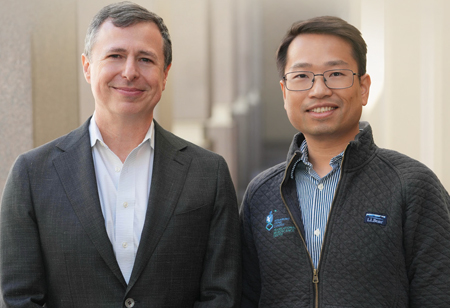
We are very cautious about overexpressing the gene of interest, either in cells that otherwise wouldn’t express it, or in amounts that would be in excess of what would normally be expressed.







Programmable RNA therapeutics are an exciting field in biotechnology right now. They are helping find ways to deal with diseases at a very basic level, which is really accurate. Unlike the treatments that focus on proteins or symptoms, these new therapies try to change how genes work and how cells behave by making special RNA molecules that do specific jobs. It is a deal for people with genetic disorders, cancer, infectious diseases and rare conditions.
RNA molecules are like the intermediaries between information and protein production, so they are really useful for controlling how cells work. By making RNA sequences that can do things, scientists can design treatments that target the actual causes of diseases more directly and effectively. Companies in biotechnology, pharmaceuticals and research are starting to see RNA engineering as a way to create treatments that are tailored to individual people. Therapies, programmable RNA solutions are going to be really important for the future of precision medicine, which is medicine that is tailored to each person's specific needs.
Revolutionizing Medicine with RNA Innovation
The major advantages of programmable RNA therapeutics are that they give targeted biological control. Hospitals can engineer these therapies to control genes that affect how proteins are made or change the cellular pathways that are linked to disease. Programmable RNA therapeutics can do this because they can be planned to target parts of the body. It makes them more effective than drugs; traditional drug development often takes time to reach the parts of the body that are hard to get to.
Programmable RNA therapeutics can interact with the genetic mechanisms that cause disease more directly. Optimizing them for use in a shorter amount of time than it takes to make traditional drugs, as it supports development and makes it easier to adapt to new information. Programmable RNA therapeutics can be personalized for each patient. They can customize the RNA sequences to match the mutations, biomarkers or disease profiles of each patient. Creating treatment strategies is tailored to each patient's needs.
Diseases that involve problems, abnormal protein production or hard-to-reach targets inside cells may benefit from these therapies. Programmable RNA therapeutics can be designed to behave in ways and can be engineered to turn on or off target cells or respond to certain conditions. New tools, in biology, synthetic biology and molecular engineering, are allowing scientists to create more complex RNA designs. By allowing to intervene at the level of programmable RNA, therapeutics are changing the way diseases are treated.
Rising RNA Revolution Unleashed
Demand for programmable RNA therapeutics is increasing because healthcare systems need faster, more precise, and more adaptable treatment solutions for increasingly complex diseases. Advances in delivery technologies are strengthening adoption. RNA therapeutics need delivery systems to work properly, and people are always trying to make them better. It is helping to get the therapy to the cells and making it last longer, and AI is playing a role in making this happen.
AI is being used to make models of molecules and to figure out the sequence for the therapy. That is why companies are investing a lot of money in RNA platforms that can be programmed. Treating diseases is a big area of growth. A lot of these diseases are caused by problems with our genes, and RNA therapy can fix these problems in a way that traditional drugs cannot.
Genetic diseases are a major focus, and many people are suffering from these conditions. Doctors are using therapies that target the cancer precisely, and programmable RNA is giving new ways to fight the disease. For example, RNA can affect the pathways that tumors use to grow. RNA therapy can be developed quickly, which makes it very useful in responding to threats. They want to be able to develop drugs quickly and make sure they are targeting the right thing, and RNA platforms can help with this.
Unlocking Tomorrow's Potential with RNA Revolution
The field of RNA engineering is going to get a boost from AI, and these models can help make sequence design predict how things work together in biology and make therapeutics work even better. The future of RNA therapeutics that can be programmed is going to be shaped by delivery systems, AI and really smart molecular engineering. RNA therapies are going to become more precise for people and be used in many different clinics.
In the future, therapeutics might be able to sense things, target areas, regulate what happens and respond to what is going on all in one molecule. RNA therapeutics will help make treatments that are tailored to a person's genetic profile or disease. Making sure the production process is good and the quality is high is crucial. The rules and regulations around RNA-based therapies will change as science gets better.
People who know about biology can do research and make good judgments in clinics, which are vital to making new therapeutics. The focus is going to be on targeting things, making therapeutics faster and making people get better across many different diseases. For people who lead biotechnology companies, the message is clear that programmable RNA therapeutics are not just ideas anymore.
For decades, the pharmacological management of central nervous system (CNS) excitability was defined by a "blunt instrument" approach. Agents like benzodiazepines and barbiturates provided potent, broad-spectrum inhibition, effective for conditions ranging from anxiety to epilepsy. However, their clinical utility has always been tethered to a wide array of off-target effects, including sedation, amnesia, and tolerance. By mapping the molecular heterogeneity of gamma-aminobutyric acid (GABA) receptors, researchers are now uncovering how distinct receptor subtypes govern specific neural circuits. This molecular dissection reveals that the brain's "brake system" is a complex array of fine-tuning mechanisms, offering a pathway to therapeutics that decouple efficacy from traditional side effects.
The Architecture of Rapid Inhibition: GABA_A Receptor Diversity
The primary mediator of fast inhibitory transmission in the mammalian brain is a ligand-gated ion channel belonging to the Cys-loop superfamily. Structurally, these receptors are heteropentamers, assembled from a pool of 19 different subunits. This combinatorial diversity is the engine of functional specificity. The canonical receptor consists of two alpha subunits, two beta subunits, and one gamma subunit arranged around a central chloride-permeable pore.
When GABA binds at the interface between alpha and beta subunits, the channel undergoes a conformational change, opening the pore to allow chloride ion influx. This influx hyperpolarizes the neuronal membrane, reducing the probability of action potential generation. However, the industry's focus has moved beyond this basic mechanism to the spatial distribution of these receptors.
Synaptic receptors, usually containing alpha and gamma subunits, cluster at the postsynaptic density and respond to high concentrations of vesicular GABA with rapid, transient inhibitory currents (phasic inhibition). In contrast, a different population of receptors, often containing alpha_4 or alpha_6 subunits paired with a delta subunit, resides outside the synapse. These extrasynaptic receptors have an exceptionally high affinity for GABA and desensitize only slowly. They sense the low, ambient levels of GABA floating in the extracellular space, generating a persistent "leak" conductance known as tonic inhibition. This tonic current acts as a master gain control for neuronal excitability, setting the threshold at which a neuron can fire. The recognition of the delta subunit as a distinct pharmacological target has opened new avenues for treating conditions defined by network hyperexcitability, such as specific forms of epilepsy and fragile X syndrome, without engaging the sedative pathways associated with synaptic receptors.
The Metabotropic Modulators: GABA_B Receptor Signaling Complexes
While GABA_A receptors handle rapid signaling, the GABA_B receptors provide the slow, sustained component of inhibition. These are not ion channels but G-protein coupled receptors (GPCRs), representing a distinct class of therapeutic targets. Unlike the pentameric GABA_A, the functional GABA_B receptor is an obligate heterodimer composed of two subunits: GABA_B1 and GABA_B2. This structure is evolutionarily conserved and functional; the GABA_B1 subunit contains the "Venus flytrap domain that binds the ligand, while the GABA_B2 subunit couples the complex to the G-protein machinery.
The activation of GABA_B receptors triggers a cascade of intracellular events mediated by G_{i/o} proteins. This signaling pathway leads to the inhibition of adenylyl cyclase and a subsequent reduction in cyclic AMP (cAMP) levels. More critically for excitability, the beta gamma subunits of the G-protein directly interact with ion channels: they activate G-protein-coupled inwardly rectifying potassium channels (GIRK), causing efflux and membrane hyperpolarization, while simultaneously inhibiting voltage-gated calcium channels.
The location of these receptors dictates their function. Presynaptic GABA_B receptors act as autoreceptors; when activated by spillover GABA, they inhibit voltage-gated channels, preventing vesicle fusion and throttling further neurotransmitter release. This negative feedback loop is a crucial homeostatic mechanism. Postsynaptic GABA_B receptors, conversely, trigger the slow inhibitory postsynaptic potential (IPSP) via GIRK channels. The industry is currently exploring positive allosteric modulators (PAMs) for the GABA_B receptor. Unlike agonists (such as baclofen), which can cause systemic muscle relaxation and sedation, PAMs enhance the receptor's response to endogenous GABA release. This activity-dependent modulation preserves the temporal and spatial logic of neural signaling, offering a sophisticated approach to treating addiction and chronic pain.
Translating Molecular Heterogeneity into Targeted Therapeutics
The overarching objective is to translate molecular-level structural variations into meaningful clinical outcomes. A key breakthrough in this effort has been the mapping of benzodiazepine effects to specific α-subunits of the GABA_A receptor, a discovery often described as the “Rosetta Stone” of receptor pharmacology. It is now well established that the sedative and amnesic properties of classical benzodiazepines are primarily mediated through the alpha_1 subunit. In contrast, the anxiolytic and analgesic effects are predominantly associated with the alpha_2 and alpha_3 subunits. The alpha_5 subunit, which is highly concentrated in the hippocampus, plays a critical role in learning and memory processes. This refined understanding of structure–function relationships has paved the way for the development of highly targeted, subtype-selective therapeutics.
One primary application of this approach is the pursuit of anxiolytic agents that do not induce sedation. By designing compounds that selectively enhance receptors containing alpha_2 or alpha_3 subunits while avoiding interaction with alpha_1-containing receptors, researchers aim to provide effective treatment for anxiety disorders and neuropathic pain without the cognitive and motor impairment associated with current pharmacologic options. In parallel, the alpha_5 subunit has emerged as an essential target for cognitive enhancement. Because alpha 5-containing receptors exert tonic inhibitory control over hippocampal pyramidal neurons, the use of negative allosteric modulators or inverse agonists specific to this subunit may modestly increase hippocampal excitability, offering potential therapeutic benefit in conditions such as Down syndrome and post-anesthetic cognitive dysfunction. Additionally, extrasynaptic receptors incorporating alpha subunits, which exhibit high sensitivity to neurosteroids, represent a promising avenue for neuroprotective strategies. Under stress or injury, endogenous neurosteroid synthesis provides a natural mechanism for dampening neuronal hyperexcitability. Synthetic analogs that engage these receptors may offer strong neuroprotective effects in clinical scenarios such as status epilepticus or traumatic brain injury, without the tolerance issues commonly associated with synaptic modulators.
The current state of the industry reflects a maturity in receptor biology where the focus is no longer on simply "enhancing inhibition" but on "reshaping" it. By leveraging the unique assembly, localization, and signaling of GABA receptor subtypes, researchers are advancing drugs that enhance therapeutic effects while minimizing side effects.
For decades, the prevailing model of medical intervention—particularly in oncology and autoimmune management—relied on a strategy of broad suppression or indiscriminate attack. Standard treatments, though effective to a degree, often functioned as blunt instruments, targeting rapidly dividing cells or dampening systemic inflammation with little regard for the nuance of individual biology.
This transition is fueled by the realization that the immune system is effectively the "operating system" of human health. By decoding its complex language and reprogramming its effector cells, the next generation of therapeutics will offer cures that are as unique as the patients receiving them. This evolution will dissolve the traditional boundaries of pharmaceutical manufacturing and hospital care, replacing them with a digitally integrated continuum of immune health.
High-Definition Profiling and the Digitization of Immunity
The cornerstone of this new era is the ability to move beyond static, singular biomarkers toward a high-definition map of the patient’s immune landscape. In this near-future state, a patient’s diagnosis will involve the creation of a comprehensive "immune digital twin." Advanced sequencing technologies, capable of analyzing single cells at an industrial scale, will allow clinicians to catalogue the diversity of T-cell receptors and the precise exhaustion state of immune defenders. This data will reveal not just which disease is present but also why the immune system failed to contain it.
AI serves as the indispensable bridge in this process. The complexity of immune signaling involves millions of interactions that exceed human analytical capacity. Machine learning algorithms, trained on vast datasets of immune responses, will identify non-obvious patterns that predict therapeutic efficacy. These algorithms will simulate how a patient’s specific immune architecture will respond to a theoretical treatment before a single dose is administered. This capability shifts the clinical paradigm from "trial and error" to "simulation and selection," ensuring that the first treatment selected is the one genetically destined to succeed.
This digitization extends to the tumor microenvironment in oncology. Future profiling will not only look at the tumor but also spatially map the "neighborhood" of cells surrounding it, identifying the specific stromal barriers and chemical signals that effectively lock out immune cells. This level of granularity enables the design of combinatorial therapies that strip away these defenses while simultaneously intensifying the attack. This dual-pronged approach was previously impossible to calibrate without such precise data.
Next-Generation Engineering and the Decentralization of Manufacturing
As the diagnostic resolution improves, so too does the sophistication of the therapeutic agents. The future therapeutic landscape will feature a diverse arsenal of engineered cell types. Beyond T-cells, researchers are unlocking the potential of Natural Killer (NK) cells and macrophages. These cells are part of the innate immune system and possess unique machinery to infiltrate dense tissues and recruit other immune actors. Genetically arming macrophages to digest tumor fibrosis and engineering NK cells to sense stress without antigen matching are broadening the scope of cellular therapy for cancer patients who were previously ineligible.
Crucially, the delivery of these "living drugs" is driving a massive logistical reshaping of healthcare. The traditional pharmaceutical model relies on centralized mega-factories that ship stabilized chemicals globally. However, fresh, autologous (patient-derived) cell therapies function on a "vein-to-vein" timeline that tolerates no delay. This is necessitating a shift toward decentralized manufacturing.
Simultaneously, the rise of allogeneic or "off-the-shelf" therapies—derived from healthy donors and gene-edited to prevent rejection—will provide an immediate option for patients who cannot wait for autologous engineering. This hybrid supply chain, balancing bespoke bedside production with high-quality off-the-shelf inventory, represents the future infrastructure of high-value care.
From Reactive Treatment to Proactive Immune Calibration
The most profound reshaping of healthcare may occur in the shift from treating established disease to managing immune health. The convergence of continuous monitoring technologies and precision immunology will enable a healthcare model focused on "immunosurveillance" and prevention.
In this future state, immune monitoring will become as routine as monitoring blood pressure. Liquid biopsies and high-sensitivity assays will be able to detect minute fluctuations in immune competence or the presence of circulating tumor DNA long before a physical lesion is visible. This "molecular radar" allows for intervention at the pre-disease stage.
Therapeutics will find their most significant value in this preventive window, inspiring “immune-calibration” interventions that gently steer a dysregulated immune system back toward homeostasis. For an individual with a high genetic risk of autoimmune disease, this might mean a tolerogenic vaccine that teaches the immune system to ignore healthy tissue, preventing the onset of symptoms entirely. For those at high risk of cancer recurrence, it could involve periodic "booster" infusions of memory T-cells engineered to patrol for specific neoantigens.
This proactive approach fundamentally alters the economic and operational structure of healthcare systems. The focus shifts from high-cost, acute crisis management in the ICU to longitudinal, outpatient immune maintenance. Hospitals and clinics will evolve into data-driven command centers that remotely monitor the immune health of populations, intervening only when digital signals indicate a drift toward pathology.
The future of immunological precision therapeutics is not merely a refinement of drug development; it is a rewriting of the medical contract. This evolution promises a healthcare system that is faster, smarter, and profoundly more effective, treating each patient's unique biological reality.
Tissue regeneration is undergoing a transformative shift as this interdisciplinary field evolves beyond traditional treatments to harness the body's innate healing potential through the convergence of biology, engineering, and medicine. At its core, tissue regeneration seeks to restore the structural and functional integrity of biological tissues. This involves a multifaceted approach, often combining cells, scaffolds (biomaterials that provide structural support and cues for cell growth), and bioactive molecules (such as growth factors) to stimulate the desired regenerative response. The progress in each of these pillars has been remarkable.
Foundational Pillars: Cells, Scaffolds, and Signaling
In the field of cell-based therapies, advancements in stem cell research have had a particularly significant impact. The ability to isolate, expand, and direct the differentiation of various stem cell types, including mesenchymal stem cells (MSCs) and induced pluripotent stem cells (iPSCs), is a cornerstone of current regenerative strategies. MSCs, readily obtainable from various tissues, are being extensively explored for their regenerative and immunomodulatory properties, showing promise in orthopedics, cardiology, and other areas. iPSCs, with their capacity to differentiate into virtually any cell type, offer the exciting prospect of patient-specific cellular therapies, circumventing issues of immune rejection. Research is also keenly focused on understanding the precise molecular signals and microenvironmental cues that govern stem cell behavior, allowing for more controlled and efficient tissue formation.
The development of advanced biomaterials and scaffold technologies has paralleled the progress in cell therapies. These materials are crucial for providing the necessary three-dimensional framework for cells to attach, proliferate, and differentiate, ultimately forming functional tissue. The current trend is towards designing "smart" biomaterials that are not merely inert supports but actively interact with cells and the surrounding biological environment. This includes biodegradable polymers that degrade at a rate matching new tissue formation, preventing chronic inflammation and ensuring structural support throughout the healing process. Innovations in biomaterial design are also enabling the incorporation of bioactive molecules, allowing for localized and sustained delivery of growth factors and other therapeutic agents to enhance regeneration. The goal is to mimic the complex architecture and biochemical composition of native extracellular matrices, which are vital for guiding tissue development.
Cutting-Edge Technologies Driving Advancement
Manufacturing techniques have undergone a significant revolution, with 3D bioprinting emerging as a transformative force. This technology allows for the precise, layer-by-layer deposition of cells and biomaterials to create intricate and spatially accurate tissue constructs. From simple scaffolds to more complex tissue models and even preliminary functional organs, 3D bioprinting offers unparalleled control over tissue architecture. The progression to 4D and even 5D printing, which introduces the ability for printed structures to change shape or function over time in response to stimuli, promises dynamic and adaptive tissue substitutes. These advancements are paving the way for the creation of customized grafts that perfectly match a patient's anatomy and physiological needs, a significant step toward personalized medicine.
Beyond these core components, the integration of other advanced technologies is further propelling the field. Artificial intelligence (AI) and machine learning are being utilized to analyze vast datasets, predict optimal biomaterial designs, streamline development processes, and even guide stem cell differentiation. Nanotechnology is enabling the creation of materials at the nanoscale, enhancing cell adhesion, growth, and differentiation, and facilitating targeted drug delivery within regenerative constructs. Gene editing technologies are also being explored to stimulate intrinsic tissue regeneration by correcting genetic defects or enhancing the body's natural healing pathways.
Diverse Applications and Future Outlook
The applications of tissue regeneration solutions are vast and continually expanding across various medical disciplines. In orthopedics, engineered bone and cartilage constructs are showing promise for repairing critical-sized defects and osteochondral injuries, addressing the growing burden of musculoskeletal disorders. Cardiovascular applications are focused on regenerating damaged heart tissue following events, potentially improving cardiac function and patient outcomes. In dermatology and wound care, bioengineered skin and tissue grafts are revolutionizing the treatment of burns and chronic wounds, offering superior cosmetic outcomes and accelerated healing. Neurological regeneration, although challenging, is also the subject of significant research efforts, with strategies involving nerve guides, cellular therapies, and bioactive molecules aimed at promoting axonal regeneration and functional recovery for conditions such as spinal cord injuries and neurodegenerative diseases.
The trajectory of the tissue regeneration industry is one of sustained growth and increasing sophistication. The increasing prevalence of chronic and degenerative diseases, coupled with a rising demand for advanced and personalized medical solutions, is fueling this expansion. As research continues to unravel the complexities of biological regeneration and as technological capabilities advance, the future promises even more innovative and effective solutions. The current emphasis on creating bioengineered constructs that can seamlessly integrate with host tissues, adapt to physiological demands, and ultimately restore native function signals a decisive shift in how medicine addresses tissue loss and organ failure. The ongoing convergence of cutting-edge science and engineering is poised to redefine therapeutic possibilities, offering hope for improved quality of life for countless individuals worldwide.
Precision oncology has evolved from targeting single genetic mutations to a comprehensive approach that harnesses the complete molecular profile of a tumor to guide personalized cancer treatment. This evolution, from discrete biomarkers to integrated multi-omics, signifies a pivotal shift, offering unprecedented opportunities for personalized treatment strategies. Early research unveiled specific gene mutations, amplifications, or fusions that acted as "driver" mutations, directly contributing to tumor growth and survival. These discoveries paved the way for the development of targeted therapies designed to inhibit the activity of these altered proteins specifically.
A landmark achievement in precision medicine was the discovery of a specific chromosomal rearrangement as a predictive biomarker for a form of leukemia, which enabled the development of a targeted therapy that dramatically improved patient outcomes. This breakthrough highlighted the power of molecularly informed treatment, demonstrating that understanding a tumor’s genetic vulnerabilities could lead to highly effective, tailored interventions. Building on this success, researchers identified additional oncogenic mutations in cancers such as melanoma and lung cancer, which became critical biomarkers for selecting targeted therapies. The emergence of companion diagnostics—assays designed to detect these biomarkers—further advanced this approach, ensuring patients received therapies most likely to be effective.
As sequencing technologies advanced, the ability to analyze the entire genome of a tumor became feasible. This marked the advent of comprehensive genomics in precision oncology. Instead of focusing on a single, predefined gene, genomic profiling enabled the simultaneous identification of a multitude of genetic alterations, including point mutations, insertions, deletions, and copy number variations, across the entire cancer genome.
This broader genomic view revealed the immense heterogeneity of cancer, even within the same tumor type. It became clear that different patients with seemingly similar clinical diagnoses could have distinct genomic landscapes, requiring individualized therapeutic approaches. Breakthroughs in this phase included the identification of novel actionable mutations and the understanding of mutational signatures that could predict response to specific therapies, such as immunotherapies. Genomic profiling also enabled the detection of resistance mechanisms to targeted treatments, providing crucial information for adapting therapeutic strategies when initial treatments lose efficacy. The transition from single-gene analysis to comprehensive genomic profiling provided a far more detailed and nuanced understanding of a tumor's genetic vulnerabilities.
Building upon genomic insights, the field progressed to explore transcriptomics, the study of all RNA molecules, including messenger RNA (mRNA), in a cell. While the genome provides a static blueprint, the transcriptome offers a dynamic snapshot of gene expression, representing the genes that are actively being transcribed into RNA at a given time. This is critical because various factors can modulate gene expression, often in a direct correlation with protein production and cellular function.
Transcriptomic profiling, particularly through RNA sequencing, revolutionized the understanding of gene activity in tumors. It enabled the identification of gene fusion products that are not easily detectable by DNA sequencing alone, as well as aberrant splicing events and changes in gene expression levels that drive cancer progression. Breakthroughs in transcriptomics have led to the discovery of gene expression signatures that predict patient prognosis, classify tumor subtypes with greater precision, and even forecast response to specific therapeutic regimens. For instance, certain gene expression patterns have been identified as predictive of response to immunotherapy, even in the absence of traditional genomic biomarkers. This layer of analysis provided a functional dimension to the genetic information, offering a more complete picture of tumor biology.
The ultimate goal of many genetic and transcriptomic alterations is to influence the production and activity of proteins, the workhorses of the cell. Proteomics, the large-scale study of proteins, therefore became an indispensable component of precision oncology. Analyzing the proteome of a tumor provides direct insights into the functional state of cancer cells, identifying altered protein expression levels, post-translational modifications, and protein-protein interactions that drive oncogenic processes.
Breakthroughs in proteomic technologies, such as advanced mass spectrometry, enabled the comprehensive profiling of thousands of proteins from tumor samples. This has led to the discovery of novel protein biomarkers for diagnosis, prognosis, and prediction of drug response. For example, specific protein phosphorylation patterns can indicate the activation of particular signaling pathways, making them ideal targets for inhibitors. Proteomics also offers a direct way to monitor the efficacy of targeted therapies by observing changes in the levels or activity of their protein targets.
Breakthroughs in metabolomics have identified specific metabolic signatures associated with different cancer types or stages, as well as with response or resistance to particular treatments. For instance, changes in the levels of specific amino acids or lipid metabolites can indicate a tumor's reliance on particular metabolic pathways, opening avenues for novel therapeutic approaches. Metabolomics complements genomic, transcriptomic, and proteomic data by providing a functional readout of cellular processes, offering a holistic view of the tumor's operational state.
The true power of precision oncology lies in the seamless integration of these diverse "omics" datasets: genomics, transcriptomics, proteomics, and metabolomics. Each omic layer provides a unique and valuable perspective, and their combined analysis creates a much richer and more comprehensive understanding of the individual tumor. This multi-omic approach offers a comprehensive view of the molecular alterations driving a patient's cancer, encompassing genetic mutations, gene expression patterns, protein activity, and metabolic profiles.
The integration of multi-omics has led to the identification of more robust and complex predictive biomarkers. These are not just single genes or proteins, but intricate molecular signatures derived from the interplay of multiple biological layers. For example, a treatment response might be predicted not only by a specific gene mutation but also by the resulting changes in protein expression and the subsequent alterations in downstream metabolic pathways. This integrated understanding facilitates the development of more precise companion diagnostics that capture the multifaceted nature of cancer.
The future of precision oncology is undoubtedly multi-omic. By integrating these layers of molecular information, the field is moving towards a comprehensive characterization of each patient's tumor. This enables the selection of optimal therapies, the prediction of treatment response and resistance, and ultimately, the realization of truly personalized cancer care that maximizes efficacy and improves patient outcomes. The journey from single biomarkers to multi-omics integration represents a monumental leap forward, ushering in an era where treatment decisions are guided by an increasingly complete molecular portrait of the disease.
Laboratory science is rapidly transforming through technological innovation, redefining research, diagnostics, and data management with a focus on precision, efficiency, and interconnectedness. The overarching trend is a move towards highly integrated, intelligent, and sustainable laboratory environments, fundamentally altering the scientific discovery pipeline.
The Rise of Intelligent Automation and Data-Driven Insights
A cornerstone of this innovative surge is the pervasive integration of automation and robotics. These solutions are no longer confined to highly specialized facilities but are becoming increasingly commonplace across various laboratory settings. Automated liquid handling systems, robotic arms, and automated sample analyzers are taking over repetitive and labor-intensive tasks, from sample preparation and pipetting to intricate molecular biology techniques. This shift not only significantly reduces the potential for human error and variability but also dramatically enhances throughput, which is particularly critical in fields such as genomics, drug discovery, and high-volume diagnostic testing. The liberation of skilled personnel from routine manual work allows them to dedicate more time and intellectual effort to complex analysis, experimental design, and the interpretation of results, thereby accelerating the pace of scientific inquiry.
Complementing automation is the rise of smart laboratory equipment and the Internet of Things (IoT). Sensors embedded within laboratory instruments and infrastructure enable real-time monitoring and control of critical parameters such as temperature, humidity, and pressure. This continuous data stream ensures optimal experimental conditions and provides immediate alerts to any deviations, safeguarding the integrity of sensitive samples and experiments. The interconnectivity fostered by IoT allows for remote monitoring and operation, enhancing flexibility and extending the reach of laboratory resources. This integration facilitates a more responsive laboratory environment, where conditions can be precisely maintained and adjusted as needed, thereby improving the quality and reliability of experimental results.
Digitalization and advanced data management are at the core of the modern laboratory's evolution. The sheer volume and complexity of data generated by advanced analytical tools necessitate robust solutions for its collection, storage, and analysis. Laboratory Information Management Systems (LIMS) are evolving to become more comprehensive, offering streamlined data management, enhanced collaboration features, and ensuring compliance with regulatory standards. The transition to cloud-based platforms is providing scalable IT frameworks that enable secure and accessible data storage from anywhere in the world. This accessibility fosters greater collaboration among researchers, regardless of geographical location, by facilitating real-time data sharing and integration with other digital platforms.
The power of artificial intelligence (AI) and machine learning (ML) is being increasingly harnessed to transform vast data landscapes into actionable insights. AI algorithms are proving adept at recognizing complex patterns in experimental data that might be imperceptible to the human eye, accelerating the interpretation of results and aiding in predictive modeling. From optimizing experimental workflows and predicting molecular interactions to assisting in image analysis for diagnostics, AI is enhancing efficiency, accuracy, and the ability to derive novel correlations. The continuous learning capabilities of ML models allow systems to adapt to new protocols and assays, continually optimizing laboratory processes and contributing to more robust and reliable conclusions.
Advancing Analytical Prowess and Diagnostic Capabilities
In analytical tools and diagnostic techniques, innovations are driving unprecedented levels of precision and speed. Next-generation sequencing technologies are revolutionizing genetic testing, allowing for rapid and accurate examination of genetic material for disease identification and personalized treatment approaches. High-throughput screening methods are enabling the rapid analysis of vast numbers of samples for biomarkers and pathogens, critical for infectious disease diagnostics and drug discovery. Furthermore, microfluidics and "lab-on-a-chip" devices are miniaturizing and automating complex assays, making diagnostics faster, more cost-effective, and more portable, with significant implications for point-of-care applications and resource-limited settings. Liquid biopsies, a non-invasive alternative to traditional tissue biopsies, are gaining traction for early disease detection, monitoring disease progression, and guiding treatment strategies by analyzing circulating biomarkers.
Towards Sustainable and Adaptable Lab Environments
3D printing, also known as additive manufacturing, is another transformative technology that is finding increasing applications within laboratories. It offers the ability to rapidly create customized laboratory equipment, specialized components, and even intricate "lab-on-a-chip" devices. This capability empowers researchers with greater flexibility in experimental design, reducing reliance on off-the-shelf solutions and accelerating the development of novel tools tailored to specific research needs.
A growing emphasis on sustainability is influencing laboratory innovation. The design and operation of modern laboratories are increasingly incorporating energy-efficient technologies, waste-minimizing solutions, and the use of eco-friendly and recyclable materials. This focus not only reduces the environmental footprint of scientific research but also often leads to improved operational efficiency and long-term cost savings. Enhanced safety features, frequently integrated with smart technologies, are also paramount, utilizing sensors for hazard detection, real-time alerts, and automated protective mechanisms to ensure a secure working environment.
An interplay of automation, digitalization, artificial intelligence, advanced analytical tools, and a commitment to sustainability characterizes laboratory innovation solutions. These interconnected advancements are creating a future laboratory that is highly efficient, data-driven, intelligent, and capable of accelerating scientific discovery and improving diagnostic capabilities across various disciplines. The ongoing convergence of these technological streams promises a future where laboratory science is more accessible, reproducible, and impactful than ever before.
The landscape of immunotherapy is fundamentally reshaping the approach to treating a myriad of diseases, most notably cancer. This burgeoning field, which harnesses and enhances the body's immune system to combat illness, is marked by innovation, substantial investment, and a rapidly expanding therapeutic pipeline. The global immunotherapy drugs market is projected to reach an impressive $486.3 billion, exhibiting a robust compound annual growth rate (CAGR) of 11.2 percent from 2025 to 2030. This growth is primarily driven by the rising global incidence of chronic diseases, particularly various forms of cancer, and a growing preference for treatments that leverage the body's innate defenses.
Pioneering Therapeutic Modalities
Immunotherapy represents a rapidly evolving frontier in cancer treatment, characterized by a diverse array of therapeutic modalities, each uniquely engineered to modulate the immune system for therapeutic benefit. At the forefront are immune checkpoint inhibitors (ICIs), which have become a cornerstone of immunotherapeutic strategies. These agents function by blocking inhibitory proteins such as PD-1, PD-L1, and CTLA-4, effectively lifting the brakes on T-cell activity and enhancing their ability to recognize and eliminate cancer cells. While already widely integrated into clinical practice, ongoing research continues to identify novel checkpoint targets and strategies to overcome resistance, with a robust pipeline exploring expanded applications and synergistic combinations across various malignancies.
Another transformative approach lies in cellular therapies, particularly chimeric antigen receptor (CAR) T-cell therapy, which involves genetically engineering a patient’s T-cells to target specific antigens on cancer cells. Initially successful in treating hematological malignancies, current efforts are focused on adapting this approach to solid tumors, despite the unique challenges posed by tumor microenvironments and delivery mechanisms. Advancements in other engineered T-cell therapies and natural killer (NK) cell-based treatments are progressing through clinical trials, offering new pathways for targeted immune responses.
Monoclonal antibodies (mAbs) continue to serve as precision tools in immunotherapy, targeting specific antigens on cancer or immune cells to block growth signals, mediate cytotoxicity, or modulate immune responses. Innovations such as antibody-drug conjugates (ADCs) and bispecific antibodies further enhance the therapeutic potential of mAbs. ADCs deliver cytotoxic agents directly to tumor cells, minimizing systemic toxicity, while bispecific antibodies can simultaneously engage two targets, enhancing specificity and functional versatility.
The field of cancer vaccines is also witnessing renewed momentum. These vaccines aim to stimulate the immune system to recognize and attack cancer cells and can be therapeutic or prophylactic. Recent breakthroughs in neoantigen identification have enabled the development of personalized neoantigen vaccines, which are tailored to the unique mutational landscape of an individual’s tumor, potentially driving more precise and effective immune responses.
Cytokines and other immunomodulators play essential roles in fine-tuning immune activity. Therapeutically engineered cytokines and novel immunomodulatory agents are being developed to amplify or adjust immune responses, thereby enhancing the body’s natural ability to combat cancer. Together, these multifaceted strategies underscore the dynamic and innovative landscape of immunotherapy, offering promising avenues for more effective and personalized cancer treatments.
The Expanding Horizon and Future Directions
The field of immunotherapy is undergoing rapid transformation, propelled by an increasingly nuanced understanding of the immune system and the integration of cutting-edge technological advancements. One of the most prominent trends shaping this evolution is the rise of combination therapies, which involve integrating different immunotherapeutic approaches or combining them with conventional treatments such as chemotherapy and radiation. This strategy aims to produce synergistic effects, overcome therapeutic resistance, and improve patient outcomes by targeting multiple disease pathways concurrently. As a result, combination therapies have become a focal point in current clinical research and trials.
Another significant development is the shift toward personalized medicine, which is redefining the landscape of immunotherapy. Innovations in genomic sequencing and molecular profiling are enabling the identification of specific biomarkers and genetic mutations within individual tumors. This facilitates the selection of the most effective immunotherapeutic interventions tailored to each patient, enhancing efficacy while reducing unnecessary side effects. The emergence of neoantigen-based vaccines exemplifies this personalized approach, marking a move away from uniform treatment protocols toward more precise, individualized care.
The incorporation of artificial intelligence (AI) and machine learning (ML) is also playing a transformative role in therapy research and the development of immunotherapy. These technologies are essential for analyzing large-scale datasets—spanning genomic, proteomic, and clinical information—to uncover new therapeutic targets, predict treatment responses, and identify patient-specific biomarkers. AI-driven systems are accelerating drug discovery, refining clinical trial designs, and advancing our understanding of the complex tumor microenvironment. In particular, they play a crucial role in identifying neoantigens for personalized cancer vaccines.
Advancements in novel drug delivery systems further support the precision and effectiveness of immunotherapy. Techniques such as nanotechnology-based carriers and cell membrane-coated nanoparticles are being developed to deliver therapeutic agents directly to tumor sites, thereby maximizing therapeutic impact while minimizing off-target effects. These innovations also facilitate the simultaneous delivery of multiple agents, enabling more sophisticated and effective combination therapies.
Beyond oncology, the principles of immunotherapy are being applied to address a broader range of conditions, including autoimmune diseases, infectious diseases, and neurological disorders. The ability to modulate immune responses for therapeutic benefit opens promising avenues across various medical fields, underscoring immunotherapy’s growing influence beyond cancer treatment alone.
Regulatory Considerations and Market Dynamics
The regulatory landscape for immunotherapy drugs is evolving to keep pace with the rapid advancements in scientific discovery. Regulatory bodies, by establishing specific guidelines and expedited approval pathways for these innovative therapies, are playing a crucial role in supporting the growth of the immunotherapy market. Their recognition of the potential of these therapies to address unmet medical needs, coupled with increasing investments in research and development, is a significant driver of market growth.
The state of the immunotherapy industry is one of unparalleled growth and innovation. The continuous evolution of therapeutic modalities, the increasing adoption of personalized medicine approaches, and the transformative influence of advanced technologies, such as AI, are collectively ushering in a new era of highly effective and targeted treatments. With a robust pipeline of novel agents and a burgeoning global market, immunotherapy stands at the forefront of medical advancement, offering profound hope for patients grappling with debilitating diseases.
The increasing demand for consistent, reliable, and contaminant-free biological matrices in various scientific and industrial applications drives the manufacturing of synthetic serum and urine. These synthetic alternatives are rapidly displacing their naturally derived counterparts due to inherent advantages in reproducibility, stability, and safety, paving the way for more precise and ethical research, diagnostic, and product development endeavors.
Synthetic Serum: A Paradigm Shift in Biological Matrices
Research and diagnostic assays heavily rely on animal or human-derived serum. While once indispensable, natural serum presents significant limitations, including inherent batch-to-batch variability in composition, the potential for adventitious agent contamination, and ethical concerns associated with animal sourcing, such as animal welfare and the use of large numbers of animals. Synthetic serum has emerged as a superior alternative, meticulously engineered to mimic the complex biochemical environment of biological serum while eliminating these drawbacks.
The core of synthetic serum manufacturing lies in precisely controlled formulation. These advanced matrices are composed of highly purified, defined components, typically including various salts, amino acids, vitamins, growth factors, and lipids, all combined in specific concentrations to replicate the physiological properties and functions of natural serum. This precise control over composition is paramount, as it ensures unparalleled lot-to-lot consistency, a critical factor for reproducible experimental results in research and reliable calibration and quality control in diagnostic kit manufacturing.
Recent advancements in synthetic serum production focus on enhancing its mimicry of physiological conditions and expanding its applicability. This includes the development of formulations tailored for specific cell culture applications, where the absence of undefined components often found in natural serum reduces experimental noise and improves the interpretability of results. Furthermore, efforts are underway to incorporate more complex biomolecules, such as recombinant proteins and growth factors, into synthetic serum formulations, allowing for even greater physiological relevance and supporting more intricate biological studies, including those involving sensitive cell lines or specialized tissue engineering. The emphasis is on creating a comprehensive and robust environment that supports cell growth, proliferation, and differentiation as effectively as, if not better than, natural serum, without the associated risks and variability.
The manufacturing process for synthetic serum emphasizes purity and scalability. Advanced filtration and sterilization techniques are employed to ensure the absence of microbial contaminants, endotoxins, and other undesirable impurities that could interfere with sensitive assays or compromise cell viability. The use of highly controlled, industrial-scale production facilities allows for the consistent manufacture of large batches, meeting the growing global demand from the biotechnology, pharmaceutical, and diagnostic industries. This scalability, coupled with reduced reliance on biological sourcing, also contributes to more sustainable and cost-effective production.
Synthetic Urine: Precision and Purity for Diverse Testing
Parallel to the advancements in synthetic serum, synthetic urine has revolutionized various testing and calibration applications. Natural urine, like natural serum, exhibits considerable variability influenced by diet, hydration, health status, and medication, rendering it an unreliable standard for consistent testing. Synthetic urine addresses these challenges by providing a standardized, controlled, and contaminant-free medium.
The composition of synthetic urine is meticulously designed to replicate the key physical and chemical properties of human urine, including specific gravity, pH, creatinine levels, urea concentration, and the presence of various ionic compounds. Modern manufacturing processes for synthetic urine involve the precise dissolution of high-purity chemicals in deionized water, followed by rigorous quality control checks to ensure each batch meets predefined specifications. This precision instills confidence in its reliability for a wide range of testing applications.
The latest developments in synthetic urine production are geared towards enhancing its utility in specialized applications. This includes the creation of formulations that mimic urine under specific pathological conditions, such as diabetes or kidney disease, allowing for the development and validation of new diagnostic tests for these diseases. For instance, synthetic urine can be engineered to contain specific biomarkers at defined concentrations, providing an ideal matrix for calibrating and validating novel biosensors and diagnostic devices. The ability to control individual parameters, such as the presence or absence of specific metabolites, makes synthetic urine an invaluable tool for isolating and studying the impact of particular components on test outcomes.
Manufacturing facilities for synthetic urine employ stringent quality assurance protocols to guarantee batch consistency and sterility. This is crucial for applications where even minute variations could compromise test accuracy, such as in the development of point-of-care diagnostic devices or the quality control of urinalysis equipment. The trend is towards highly automated and precise blending systems that minimize human intervention and maximize reproducibility, ensuring a uniform product that serves as a reliable benchmark across diverse industries.
Applications across Industries
The widespread adoption of synthetic serum and urine is evident across numerous sectors. In the biopharmaceutical industry, synthetic serum is foundational for cell culture in vaccine production, therapeutic protein manufacturing, and regenerative medicine. Its defined composition reduces variability in cell growth and product yield, streamlining drug development and manufacturing processes. For diagnostic companies, both synthetic serum and urine are indispensable for developing, calibrating, and performing quality control on in vitro diagnostic kits, ensuring the accuracy and reliability of medical tests. This includes immunoassays, clinical chemistry analyzers, and molecular diagnostic platforms.
Beyond medical applications, synthetic urine finds extensive use in the product development and testing industry. Manufacturers of hygiene products, such as diapers, sanitary pads, and adult incontinence products, rely on synthetic urine to assess absorbency, leakage, and odor control under standardized conditions. Similarly, the automotive industry utilizes synthetic urine to test corrosion resistance of materials in contact with biological fluids. In the realm of forensic science and toxicology, synthetic urine serves as a crucial control sample for calibrating drug detection equipment and validating testing methodologies, ensuring the integrity and accuracy of analytical results.
The future of synthetic serum and urine manufacturing is poised for continued innovation. Driven by the increasing sophistication of biological research and diagnostic needs, there is a clear trend towards even more physiologically relevant and complex synthetic matrices. This will likely involve the incorporation of additional classes of biomolecules, such as exosomal components and specific microRNAs, to enable more nuanced studies of cellular communication and disease pathogenesis, opening up new possibilities for research and discovery.
Advancements in high-throughput screening and automation are expected to drive the development of customized synthetic matrices, enabling researchers to tailor compositions for specific experimental designs rapidly. The integration of AI and machine learning could also play a significant role in optimizing formulations to achieve desired biological outcomes, thereby further accelerating research and development cycles. As the scientific community continues to prioritize reproducibility, ethical sourcing, and cost-efficiency, synthetic serum and urine will undoubtedly remain at the forefront of essential laboratory and industrial tools, continuing their trajectory of innovation and widespread adoption.
Innovative cancer-targeting platforms have emerged as groundbreaking solutions in the battle against one of the most formidable diseases of our era. These platforms utilize state-of-the-art technologies and novel strategies to identify and eradicate cancer cells accurately, instilling hope in patients and healthcare professionals.
The importance of these platforms is underscored by their capacity to overcome the shortcomings of conventional therapies. By emphasizing advanced techniques such as molecular targeting, immunotherapy, and personalized medicine, drug discovery and development companies play a crucial role in developing these platforms, striving to enhance treatment outcomes while minimizing adverse effects. Their contribution to improving early detection and treatment methodologies is vital for advancing cancer care.
As research progresses, cancer-targeting platforms are influencing the future of oncology, propelling advancements toward more effective and sustainable treatment options. Their influence goes beyond mere treatment, promoting collaboration among researchers, clinicians, and technology specialists to redefine the potential of healthcare.
Innovations and Obstacles: A Journey in Cancer Care
The domain of cancer-fighting platforms is experiencing significant progress fueled by innovation and technological advancements. A key trend in this area is the emergence of personalized medicine, which involves customizing treatments based on individual patient's genetic and molecular characteristics. This strategy improves the accuracy and efficacy of therapies, minimizes the likelihood of side effects, and enhances patient outcomes.
Immunotherapy remains a groundbreaking trend in cancer care. By leveraging the body's immune system to identify and eliminate cancer cells, treatments such as immune checkpoint inhibitors and CAR-T cell therapy are making significant strides in addressing previously untreatable cancers. These developments are transforming the field of oncology and providing renewed hope for patients.
Incorporating artificial intelligence and machine learning is transforming the landscape of cancer research and treatment. These advanced technologies scrutinize extensive datasets, pinpoint potential drug targets, and forecast responses to therapies. This movement is hastening the creation of groundbreaking treatments and enhancing the effectiveness of clinical trials.
Nanotechnology is also gaining prominence as a significant asset in cancer therapy. Researchers are developing nanoparticles specifically to transport medications directly to cancerous cells, thereby reducing harm to healthy tissues and increasing treatment effectiveness. This strategy leads to creating more precise and less invasive therapeutic options.
Combination therapies are increasingly recognized as effective strategies to combat drug resistance and enhance treatment efficacy. By employing various therapeutic methods concurrently, researchers are tackling the intricate challenges of cancer, leading to more holistic outcomes.
These developments underscore the evolving landscape of cancer treatment modalities and their capacity to revolutionize the field of oncology. A commitment to innovation and collaboration propels advancements toward more effective and accessible cancer therapies.
Platforms that combat cancer encounter numerous challenges as they seek to transform oncology and enhance patient outcomes. A significant hurdle is the disease's inherent complexity. The disease presents in multiple forms, each exhibiting distinct genetic and molecular traits. This variability complicates the creation of universal treatments that can effectively address all cancer types.
The substantial costs associated with research and development pose another significant challenge. Creating cutting-edge therapies and technologies demands considerable financial resources, which can restrict accessibility and affordability for patients. Maintaining a balance between innovation and cost-effectiveness is crucial for industry stakeholders.
Regulatory obstacles present significant challenges for platforms aimed at eradicating cancer. Obtaining approval for new therapies is frequently protracted and demanding, necessitating comprehensive clinical trials and adherence to strict regulations. Although these procedures are crucial for ensuring safety and effectiveness, they can postpone the introduction of life-saving treatments.
Treatment resistance remains a constant concern in cancer management. Cancer cells can evolve and adapt, diminishing the effectiveness of specific therapies over time. Tackling this issue necessitates ongoing research and the creation of combination therapies to combat resistance mechanisms.
Incorporating new technologies, including artificial intelligence and nanotechnology, introduces various challenges. Although these advancements offer significant potential, their deployment necessitates specialized knowledge and thorough assessment to guarantee safety and efficacy.
These obstacles emphasize the intricate nature of developing cancer-fighting platforms and reinforce the importance of collaboration, innovation, and ongoing investment to address challenges and promote advancements in oncology.
Redefining Cancer Treatment: Opportunities Ahead
The future of platforms to eradicate cancer is brimming with transformative potential, propelled by scientific and technological advancements. Innovations in personalized medicine are anticipated to open new avenues for targeted therapies customized to individual patients' genetic and molecular characteristics. Such developments promise to improve treatment efficacy while reducing adverse effects.
Incorporating artificial intelligence and big data analytics is poised to transform cancer research significantly. These technologies will facilitate quicker identification of drug targets, optimize clinical trial processes, and enhance treatment methodologies. This progress is expected to hasten the creation of groundbreaking therapies and elevate the standard of patient care.
Progress in nanotechnology is set to create new opportunities for targeted drug delivery systems, enabling treatments to focus specifically on cancer cells while safeguarding healthy tissues. This method is expected to enhance the effectiveness of therapies and reduce invasiveness.
The worldwide partnership among researchers, healthcare professionals, and technology innovators will further broaden the development of cancer-fighting platforms, providing optimism for a future where cancer treatment is more efficient and widely available.

As a new modality, gene therapy offers great promise to develop effective treatments or potential cures for many serious diseases that previously had no meaningful treatment. While bringing new promises and opportunities, the field of gene therapy also faces a unique set of challenges. During the past few years, regulatory agencies worldwide have taken a very cautious approach regarding gene therapy approval, demanding additional pre-clinical work, safety assessments, and durability data. As a result, the gene therapy field has encountered some regulatory headwinds, with programs put on clinical hold and regulatory filings significantly delayed or denied. In the US, there was no gene therapy approval for three years after the first two approvals in 2017 and 2019.
However, 2022 was a banner year in gene therapy regulatory successes. Four gene therapy products, Roctavian, Upstaza, Skysona, and Zynteglo received regulatory approvals in the US and/or EU during the past few months. The fresh momentum came after many important changes were made on the industry side in response to global regulatory guidance. There is reason to believe that this momentum will be here to stay.
From the pipeline perspective, the field of gene therapy has been enjoying a rich and diverse collection of pre-clinical assets, in thousands by the recent count. Compared with small molecules, it’s relatively easy to construct promising gene therapy assets at pre-clinical stages. However, according to the newly published American Society of Gene and Cell Therapy (ASGCT) Q2 2022 report, merely a small percentage of pre-clinical gene therapy assets have moved into clinical development stages. Among those clinical-stage gene therapy assets, most are genetically modified cell therapies for oncology, and only a few are gene therapies in other major therapeutic areas (e.g., neurological, sensory, alimentary/metabolic). The scarcity of clinical[1]stage gene therapy assets is not just a temporary phenomenon. Rather, the transition of pre-clinical gene therapy assets into clinical stages became much harder due to safety concerns, manufacturing difficulties, and elevated complexities in clinical development. It’s very important to recognize this transition bottleneck. Solutions have to be developed in order to accelerate gene therapy drug development.
Challenges in Clinical Development Exacerbate this Bottleneck
Among regulatory concerns toward gene therapy clinical studies, safety issues related to this new modality have for years been a major factor in slowing down clinical development. Currently, hepatoxicity is the most common and significant safety risk associated with Adeno-associated virus (AAV) based gene therapy. While gene therapies have been credited with saving thousands of lives, there have been a few severe hepatoxicity cases resulting in several patients’ deaths, such as with Zolgensma treatment for spinal muscular atrophy (SMA) and in Audentes/Astellas’ AT132 gene therapy clinical trials for X-linked Myotubular Myopathy (XLMTM).

Ryan Garland, MHA BS RT(R), is a dedicated healthcare professional serving as the Service Line Director for Radiology, Imaging, and Respiratory at Endeavor Health. With a background in Radiologic Technology and a Master’s in Healthcare Administration, he brings expertise in managing and advancing crucial medical imaging and respiratory services.
Please Tell our Readers about your Journey in the Industry.
Over the course of my 23-year journey in the industry, I began as an X-ray tech, ventured into special procedures, and gradually progressed to roles such as supervisor, manager, and system manager overseeing multiple hospitals. Subsequently, I ascended to the position of director, followed by system director, and eventually took on the role of a service line director, overseeing radiology, imaging, and respiratory services for two hospitals and 17 satellite facilities. We conduct nearly 600,000 imaging procedures annually, handle level two trauma cases, and maintain ACR accreditation across our hospitals and campuses for quality assurance.
What are Some of the Challenges and Recent Trends Existing in the Marketplace Today?
One of the prevailing challenges in the current marketplace is the anticipated shift away from the fee-for-service model, where organizations incentiviz providers based on the volume of services provided, such as ordering imaging. The industry is moving towards a population health approach, where healthcare providers are remunerated based on the number of patients they serve within a specific population. However, this transition has yet to fully materialize. In addition, there is a growing trend among insurance companies to mandate patients to opt for more cost-effective care alternatives. This often involves steering patients towards facilities with lower out-of-pocket costs, such as independent imaging centers rather than hospital outpatient departments. Responding to this trend, some organizations have engaged in joint ventures to become majority shareholders in standalone facilities, offering a more affordable option for certain patients. This strategic move aims to cater to individuals directed towards lower-cost care by payers or those who may be self-paying and seeking a more economical solution within the network. This diversified approach is crucial to address concerns related to patients potentially forgoing necessary medical procedures due to financial constraints. By adapting and expanding their portfolio of care options, organizations can ensure that patients, particularly those unable to afford procedures in a hospital setting, still have access to essential testing through more cost-effective alternatives. Ultimately, this shift in the healthcare model aims to enhance patient outcomes and contribute to the overall effectiveness of care delivery.
[QUOTE1_Replace]
What is your Piece of Advice for your Peers and Aspiring Professionals in the Industry to Navigate the Aforementioned Changes?
The PAMA Act included a provision for automated use criteria, which was originally slated to be implemented about three years ago. However, this has consistently been delayed. The requirement was for a clinical decision support system to be in place, ensuring thorough clinical reasoning before a payer would approve an order made by an ordering physician. Essentially, it acted as an additional layer of pre-authorization, particularly for high-end imaging, such as CT, MRI, nuclear, and PET scans. While pre[1] authorization was also required for certain ultrasound imaging, this has been discontinued for Blue Cross Blue Shield community patients. Although we initially prepared for the implementation of the Automated Use Criteria (AUC), it has now been indefinitely postponed. This news has been well-received by imaging managers and administrators nationwide, as the initiative posed significant challenges in terms of implementation. Despite the frustration caused by the hours and resources invested in anticipation of its activation, there is also relief that the potential penalties for non-compliance—where either the patient or the radiology department would not receive payment—have been put on hold. The responsibility for implementing AUC rested with the ordering provider, but there was a lack of incentive for them to adhere to the criteria. In light of the indefinite postponement, there is a collective sense of relief among industry professionals.

Please comment on your current role and responsibility in leading the cancer immunotherapy research and development at Janssen?
I lead the immuno-oncology team at Janssen where our efforts are focused on the discovery and development of next-generation approaches to immunotherapy that include antibody-based drugs, cell therapies, and novel cancer vaccines.
One especially promising approach that we are working on is allogeneic cell therapy, derived from induced pluripotent stem cells (IPSC). The objective is to convert these IPSC into immune cells that can fight cancer by engineering them ex vivo. This is incredibly significant as these stem cells can grow perpetually in culture, becoming a potentially inexhaustible source for treating cancer in a wider array of patients.
What are some of the challenges you have witnessed in the cancer immunotherapy space, and how do you align yourselves accordingly?
There are a number of challenges involved in bringing cancer immunotherapy to the patients that could benefit. One major difficulty is translating laboratory data into clinical data, i.e. predicting which agents will work in patients as our current models are reasonable, but far from perfect.
Take for instance lymphocyte activation gene3 (LAG-3), which was discovered as an immune checkpoint in 2004, showing that it was synergistic with anti-PD-1 in terms of anti-tumor effects. Those studies were performed in animal models in the first line setting. But when this drug was taken to the clinic, it was tested after initial therapies, i.e. mostly in the second and third line settings. So, its activity was not impressive. Finally, after many years, the clinical studies were aligned with the initial murine studies, i.e. the anti-LAG-3 / antiPD-1 combination was tested in the first line in patients with melanoma. Those data were impressive, the combination doubled progression-free survival, leading to approval.
On the other hand, there have been a fairly large number of trials in which promising laboratory results just did not pan out as expected. Take for example T cell immunoglobulin and ITIM domain, or TIGIT, where laboratory studies targeting TIGIT were quite impressive. Beyond that, a reasonably-sized randomized clinical trial in patients with lung cancer showed that anti-TIGIT combined with anti-PD-L1 may help treat lung cancer. Nevertheless, the larger, confirmatory (Phase III) trial was negative, for reasons that are really not clear.
[QUOTE1_Replace]
There are also some interesting examples showing mixed results. One of these involves a class of drugs designed to localize T cells to tumors and to activate them in the process. These go by many names, including bi-specifics, BITE’s or T cell redirectors. They’re fascinating molecules, marvels of modern genetic and protein engineering in which one arm of an antibody targets a tumor antigen, and the second is directed against T cells via CD3. In hematological malignancies like lymphoma and multiple myeloma, these molecules have been quite successful, with the majority of treated patients showing significant tumor shrinkage. But in common solid tumors like prostate cancer, results have been decidedly mixed as there these drugs are not quite ready for prime time. We do have some good ideas on how to increase activity, since T cells need two signals for full activation and we’re working hard to generate drugs that will provide that second signal, which may be critical.

Ancel R. Nelson is a results-oriented healthcare leader with extensive experience in laboratory operations and management. Currently serving as the Laboratory Director at York Hospital, he possesses a Diplomate in Laboratory Management from ASCP. Ancel has a proven track record of spearheading strategic initiatives, enhancing efficiency, and ensuring compliance with regulatory standards in high-performing laboratories. His expertise encompasses quality assurance, financial management, and team development, which are pivotal in elevating excellence in healthcare services.
Through this article, Ancel R. Nelson, Laboratory Director at York Hospital, shares insights into the hospital’s commitment to exceptional patient care. He highlights key initiatives, from fostering a supportive work environment and embracing technological advancements to prioritizing continuous improvement and patient feedback, demonstrating a holistic approach to elevating laboratory services and patient outcomes.
Leading the Lab: From Regulatory Expertise to Team Mentorship
My path to becoming Laboratory Director at York Hospital has been defined by key experiences highlighting the critical roles of regulatory expertise, practical management skills, and effective mentorship. Initially, as a medical technologist, I immersed myself in the intricacies of laboratory regulations, building a crucial foundation for understanding compliance requirements and operational standards.
This regulatory knowledge was invaluable as I transitioned into hands-on laboratory personnel management in a busy urban hospital. This challenging environment, an actual “trial by fire,” underscored the importance of comprehensive training and demonstrated the direct impact of competency on successful lab operations.
Managing a diverse team within such a dynamic setting significantly honed my leadership abilities and instilled in me a deep appreciation for the power of mentorship. These experiences, mainly focusing on mentorship, have been essential to my success as Laboratory Director. In this role, I leverage my accumulated knowledge and skills to oversee all laboratory operations at York Hospital, ensuring not only regulatory compliance but also the ongoing professional development of my team.
Enhancing Patient Care: From Feedback to Improved Outcomes
At York Hospital, patient-centered care is paramount. We continuously assess and respond to patient needs, gathering feedback through comprehensive questionnaires after each laboratory interaction to drive improvements. Over the past year, this feedback has fueled several key initiatives. We’ve significantly reduced wait times for laboratory services, ensuring timely and efficient care.
[QUOTE1_Replace]
Furthermore, we’ve achieved a remarkable 50 percent reduction in urine culture contamination rates, leading to more accurate and reliable test results. These targeted efforts demonstrate our unwavering commitment to providing exceptional, patient-centered care and continually enhancing the patient journey.
Addressing Healthcare Challenges: Strategic Solutions for a Thriving Laboratory
The healthcare industry and York Hospital face significant challenges in laboratory science.
Two primary hurdles are staffing/compensation and effectively utilizing technology and financial resources. To address staffing shortages and ensure competitive salaries, we’ve implemented a merit-based system that incentivizes cross-departmental work, fostering professional growth and rewarding dedication. Critically, we’ve cultivated a supportive, family-like atmosphere within the lab, strengthening team cohesion and morale.
Regarding technology and financial constraints, we’ve consolidated platforms and implemented efficiency programs to maximize resource utilization and ensure the delivery of high-quality patient care. These strategic initiatives demonstrate York Hospital’s commitment to overcoming industry challenges and continually improving our quality of care.
Cultivating Continuous Improvement: From Open Communication to Professional Growth
At York Hospital, continuous improvement is a core value, driven by a commitment to open communication and staff engagement. We actively solicit employee feedback through open communication channels, ensuring their voices are heard and valued.
To further foster this culture, we prioritize internal mobility and staff recognition, promoting from within and celebrating individual contributions. This not only motivates our team but also fuels their professional growth. Initiatives like Staff Appreciation Week reinforce our commitment to recognizing the invaluable contributions of our medical laboratory staff.
Finally, I champion professional development through mentorship, access to training programs, and the encouragement of lifelong learning. This empowers our staff to thrive and deliver exceptional patient care. These combined efforts create a supportive environment where continuous improvement benefits our team and our patients.
Shaping the Future of Care: Embracing Innovation for Enhanced Patient Outcomes
The healthcare landscape is constantly evolving, presenting both challenges and opportunities. At York Hospital, we recognize the transformative potential of emerging technologies and are committed to leveraging them to enhance patient outcomes. Specifically, we focus on integrating telepathology, artificial intelligence (AI), and advanced laboratory automation.
Telepathology will enable remote consultations, improving diagnostic speed and accuracy, particularly for patients in remote locations. AI will play a crucial role in disease diagnosis, outcome prediction, and personalized treatment plans, enhancing diagnostic accuracy and clinical workflows. Finally, strategic investments in laboratory infrastructure and automation will minimize manual errors, increase throughput, and ensure consistent, high-quality results, leading to faster and more reliable diagnostic services.
These innovative approaches demonstrate York Hospital’s dedication to remaining at the forefront of healthcare delivery and continually elevating our quality of care.
Please comment on your current role and responsibility in leading the cancer immunotherapy research and development at Janssen?
I lead the immuno-oncology team at Janssen where our efforts are focused on the discovery and development of next-generation approaches to immunotherapy that include antibody-based drugs, cell therapies, and novel cancer vaccines.
One especially promising approach that we are working on is allogeneic cell therapy, derived from induced pluripotent stem cells (IPSC). The objective is to convert these IPSC into immune cells that can fight cancer by engineering them ex vivo. This is incredibly significant as these stem cells can grow perpetually in culture, becoming a potentially inexhaustible source for treating cancer in a wider array of patients.
What are some of the challenges you have witnessed in the cancer immunotherapy space, and how do you align yourselves accordingly?
There are a number of challenges involved in bringing cancer immunotherapy to the patients that could benefit. One major difficulty is translating laboratory data into clinical data, i.e. predicting which agents will work in patients as our current models are reasonable, but far from perfect.
Take for instance lymphocyte activation gene3 (LAG-3), which was discovered as an immune checkpoint in 2004, showing that it was synergistic with anti-PD-1 in terms of anti-tumor effects. Those studies were performed in animal models in the first line setting. But when this drug was taken to the clinic, it was tested after initial therapies, i.e. mostly in the second and third line settings. So, its activity was not impressive. Finally, after many years, the clinical studies were aligned with the initial murine studies, i.e. the anti-LAG-3 / antiPD-1 combination was tested in the first line in patients with melanoma. Those data were impressive, the combination doubled progression-free survival, leading to approval.
On the other hand, there have been a fairly large number of trials in which promising laboratory results just did not pan out as expected. Take for example T cell immunoglobulin and ITIM domain, or TIGIT, where laboratory studies targeting TIGIT were quite impressive. Beyond that, a reasonably-sized randomized clinical trial in patients with lung cancer showed that anti-TIGIT combined with anti-PD-L1 may help treat lung cancer. Nevertheless, the larger, confirmatory (Phase III) trial was negative, for reasons that are really not clear.
[QUOTE1_Replace]
There are also some interesting examples showing mixed results. One of these involves a class of drugs designed to localize T cells to tumors and to activate them in the process. These go by many names, including bi-specifics, BITE’s or T cell redirectors. They’re fascinating molecules, marvels of modern genetic and protein engineering in which one arm of an antibody targets a tumor antigen, and the second is directed against T cells via CD3. In hematological malignancies like lymphoma and multiple myeloma, these molecules have been quite successful, with the majority of treated patients showing significant tumor shrinkage. But in common solid tumors like prostate cancer, results have been decidedly mixed as there these drugs are not quite ready for prime time. We do have some good ideas on how to increase activity, since T cells need two signals for full activation and we’re working hard to generate drugs that will provide that second signal, which may be critical.

Lina Parra Cartagena is a seasoned FP&A professional with over 14 years of experience in corporate, commercial and operations finance across France, Mexico, Colombia, Spain and the U.S. She has worked in Consumer Goods and Pharmaceuticals, speaks four languages and excels in building FP&A teams by streamlining processes and fostering automation.
At Novartis, Lina implemented AI forecasting for the Spanish affiliate's cash flow with the Global Digital Finance Team. She pursued an Executive MBA at MIT to deepen her knowledge of statistical tools. Currently based in Boston, Lina works for Vertex Pharmaceuticals in the FP&A Operations Cell & Genes Department and is involved in launching the first global CRISPR therapy for Sickle Cell Disease.
Through this article, Lina Parra Cartagena highlights the transformative impact of AI on FP&A in the Life Sciences sector. She emphasizes AI's role in enhancing forecast accuracy, managing risks and improving resource allocation. Lina advises starting with data structuring and process architecture, especially for smaller companies and underscores the importance of human oversight and continuous learning in AI implementation.
Financial forecasts and scenarios inform decision-making. They predict the future, influencing project plans and company budgets. Throughout history, humanity has sought to forecast and improve the future. Financial Planning and Analysis (FP&A) teams are critical in providing accurate forecasts to guide future business plans. The integration of AI in FP&A enhances the accuracy and efficiency of financial forecasts, reducing the risks associated with financial instability and increasing the opportunities for revenue generation.
During the COVID-19 pandemic, the demand for forecasts increased as uncertainty rose. FP&A teams were in high demand, creating multiple scenarios to address diverse business options. AI's predictive analytics can revolutionize financial forecasting in the Life Science Finance sector.
Predictive Analytics Applied to FP&A in Life Sciences.
The possibilities for predicting variables with AI are vast in the FP&A field. We use historical data to detect patterns and forecast the future, often utilizing machine learning algorithms. In addition to financial variables, AI can be used in life sciences to forecast clinical trials and expenses. This efficient process can yield highly accurate results in just a few hours.
We need to forecast and build scenarios to provide higher value to the business and manage risks. For example, we need to consider what happens if a product launch is delayed, if the European access strategy results in a lower patient base, or if clinical trials require the inclusion of more countries. These scenarios are crucial for managing risk and allocating resources, with FP&A playing a crucial role in the process.
[QUOTE1_Replace]
FP&A teams often use traditional historical methods without AI, resulting in simplistic projections. Incorporating AI through Machine Learning enables rapid analysis, reducing manual work and generating valuable insights more efficiently. Despite AI limitations, firsthand experience shows it reduces tasks and workload and increases accuracy. Accurate forecasting in Life Sciences can lead to broader medication access, improved resource allocation and better risk management. Accelerating and improving financial forecasting allows for rapid, well-informed decisions, crucial in the Life Sciences sector due to long product life cycles and substantial investments. In addition, AI can help identify potential risks and opportunities more quickly, allowing companies to respond proactively and effectively. This can improve financial stability, increase revenue opportunities and reduce costs for life sciences companies, which results in larger access for patients and lower costs for healthcare systems.
What can we do when AI appears unattainable? Begin with small steps, emphasizing data structure and process architecture.
While discussions about AI may seem daunting, small and medium-sized companies need to recognize their potential to implement AI in FP&A. Several large companies have already paved the way, but this technology is not out of reach for smaller organizations. These companies can position themselves for future success and growth by taking the first steps on their AI journey.
Before embarking on the AI journey, companies must ensure that data is harmonized, real-time and integrated to be valuable. High-quality data is crucial for accurate analysis and successful outcomes. Companies should map their processes, identify the indicators they want to track and define their strategy.
Small and medium-sized companies should focus on structuring their data and establishing the proper process architecture. Small, periodic steps aligned with these objectives will create a secure foundation for AI implementation. Their size allows them to make progress more swiftly than larger organizations.
AI implementation in the FP&A field represents a significant digital transformation project that entails strategic organizational change.
When AI is implemented in FP&A, it brings about organizational changes. AI predictions influence financial KPIs and investor reactions. However, the organization needs to fully understand and trust the results produced by the AI model. Applying appropriate frameworks for organizational change is necessary for effective implementation. It's important to note that AI is a tool that augments human capabilities, not a replacement for human judgment. Human oversight is crucial to ensure the accuracy and fairness of AI predictions and to address any potential biases in the data or algorithms used.
Will AI eat FP&A for breakfast?
AI is expected to reduce workload and improve productivity in FP&A. However, its implementation may create a surge in the need for a new type of FP&A professional who can collaborate with data scientists to develop accurate algorithms. FP&A professionals will need to adapt to the integration of AI and effectively respond to business requirements by integrating business and data analytics. It's essential to consider the potential challenges of AI implementation, such as data privacy and security, the cost of AI tools and technologies and the need for continuous learning and upskilling. These challenges can be overcome with proper planning and preparation, but they should not be underestimated.

Based on my 25 years of experience working in research ethics and clinical trial oversight, I foresee the next five to 10 years as being one of the most innovative and impactful times for research.
Just within the last decade, immunotherapy has gone from pre-clinical pipe dreams to radically transforming what researchers and clinicians envision is even possible. We now have the ability to manipulate a patient’s own immune system to attack cancer cells without poisons or radiation, and instead, their own immune cells doing what they were designed to do, with a little help from science.
My team at Advarra has the privilege of seeing the latest emerging research involving the most cutting edge of therapies. We see immunotherapy intersecting with gene editing to potentially cure previously incurable conditions and as researchers continue to explore the potential of immunotherapy, we’re starting to see innovative applications beyond just the oncology field.
According to statistics published by the U.S. Food and Drug Administration (FDA), the number of Investigational New Drug applications involving gene therapy has grown exponentially since 2015, and those early phase projects will be hitting the clinic in the next 10 years. What an amazing time to see innovative therapies, like immunotherapies, developed to where they are making a direct and impactful difference in human health. These innovations don’t come without challenges, but with some proactive collaboration and preparation, we’ll be able to bring many more new immunotherapies and other breakthroughs to patients very soon.
Challenges of Immunotherapy Manufacturing
To be certain, moving to personalized, “N-of-1” therapies will be hard for our industry. Manufacturing a genetically engineered, customized product for a specific patient is much more difficult than producing pills in a bottle at a central manufacturing plant.
However, many companies are working diligently to solve manufacturing challenges though mobile production facilities and self-contained labs. In such settings, a technician can program the parameters of the patient’s condition, cell type, genetic markers, and other information, and the robots can then produce an engineered immunotherapy product specific to that patient.
Imagine one of those bespoke bio-manufacturing labs in every hospital, standing ready to produce an N-of-1 therapy exactly when the patient needs it. I believe we will have that capability, or close to it, within the next 10 years.

This may appear to be intuitive to every health care provider but it is in fact an elusive goal not necessarily discussed or much less emphasized on day-to-day management of diabetes at the primary care sites.
Cardiologists, vascular surgeons, neurologists and nephrologists are usually engaged at a later stage when organ damage has already occurred and may be permanent.
Endocrinologists and diabetologists are in short supply and tend to be referred the hard to control patients in need of better blood sugar control and frequently type 1 diabetics or type 2 patients of longer vintage.
This leaves a vast population of individuals who carry a clear and powerful risk for the development of vascular disease with manifestations such as stroke, heart attack, loss of limb kidney failure and premature death.
We are now in a new era with pharmacotherapy available and validated in randomized studies as being capable of altering the trajectory of these very poor outcomes including agents that stimulate the action of upper intestine peptides called incretins, agents that impede the reabsorption of glucose in the renal tubule and a specific blocker of the mineralocorticoid receptor.
In my view the digital medical record should serve as an instrument to make use of these agents' part and parcel of the discussion around sugar control and a mandatory reminder of missed opportunities regarding interventions solely aiming at improved outcomes sometimes dissociated from blood sugar control.
[QUOTE1_Replace]
Primary care providers are inundated with too much data as they are the repository of information coming from all sources in formats that are not at all conducive to finding the main message. The end result is to concentrate on what is palpable and address the more immediate needs of the patients.
Patients alike fall trap to blood sugar control being the main goal not recognizing that they are only the tip of the iceberg in type 2 diabetes. It is all about the A1C!
This topic should be very familiar under the umbrella of artificial intelligence, however here it would be more like wearing the right prescription glasses to correct a refraction defect that does not allow you to see far.
There are many formulas validated by specialty societies that will calculate cardiovascular risk. Current suggested use is for the prescription of statins for lipid control.
Type 2 diabetes as well as chronic kidney disease are multipliers of cardiovascular risk of greater magnitude than lipids alone but they are only taken into account as variables in some of those formulas.
It should be the goal of the digital record to remedy this.
There is no disagreement in medicine regarding the importance of those metabolic derangements.
A graded color bar of a numerical score equivalent could be derived from diagnostic codes validated by the principal provider of care with continued enhancement as patients progress longitudinally in their lives accumulating additional risks.
The capture of an aggregate of BMI, fasting blood sugar, microalbuminuria and blood pressure should be fertile ground to start building a foundation of risk edifice with additional structures rising from it as they become available in the medical record.
This would make the invisible a glaring red or orange facilitating care in the primary setting and also alerting patients of their risks allowing time to intervene before specialty care becomes inevitable or worse before an irreversible complication occurs. We are now reliant on informatics more than ever, no longer conflicted about its value or labor intense tool simply used for documentation. It is time to elevate it to the level of your additional brain, always there to remind you of the fundamentals of optimal medical care.

Navigating changes over the past couple of years has been a stretch for many in health care as we pave the path to a new normal. This journey is an opportunity to evaluate historic practices and expanded improvements in care delivery. Strategically defining and targeting areas is often the first step in this journey.
Organizationally, we have defined core clinical quality metrics as a guiding post for driving these improvements. In the imaging space, one of these core clinical quality metrics is supporting the breast cancer screening compliance rate for women between the ages of 40-74 as it plays a critical role in early detection. Successfully moving the mark on breast cancer screening compliance has been accomplished through a variety of tactics in a multidisciplinary approach.
Quality tracking
• Development of a quality dashboard and weekly tracking to progress
• Shared organizational goals
• Standardized tools for quality reporting
Driving a culture of quality-based initiatives is supported through a robust dashboard and regular reporting. It allows all key stakeholders to have line of site to system, regional and site-based performance on defined organizational goals and targets. Individual accountability for performance-improvement opportunities can be developed and supported through the tracking tools.
Increased access and expansion of 3D services
• Targeted scheduling tactics
• Expansion of MyChart messaging
• Self-scheduling • Centralized scheduling
• Market assessment for service location preference
• Expanded imaging through rural areas with mobile imaging
Improvements in scheduling led to a significant increase in the breast cancer screening exams. Historically, reminder letters were the primary method for communication. While these continue to be a standard practice, additional communication tactics were added with functionality within the EHR. MyChart messaging and personal device notices based on individual patient preference has been quite successful. Alignment of information in these messages with the new self-scheduling functionality has been well received by patients. Standing up a single scheduling work queue for all locations within the organization and carving out a dedicated scheduling team with a singular focus has lead to timely scheduling of patients at their preferred location of service.
[QUOTE1_Replace]
Utilizing compliance rates, geography, scheduling metrics and patient-experience data to drive service locations as well as imaging schedules has been effective. At existing mammography locations, adjustments to hours of service and staffing models were optimized to offer screenings. Schedule availability is shared daily with primary care clinics for offering same day screening.
Nearly all of the existing mammography screening equipment within our facilities has been upgraded to provide 3D mammography. Fixed equipment and staffing were targeted for locations that can support a 4-5 day/ week service. 3D mobile mammography was introduced to our market to bring screening services to a number of rural communities where compliance rates were struggling. Locations were identified based on target patient groups in addition to distance to next available service. Work continues with community partners to identify target populations that have been historically underserved.
Partnering with Primary Care
• Embedded comprehensive care review and shared decision making
• Alignment of screening for high-risk patients
• Clinical outreach targeting non-compliant patients
• Locally promoting women’s health events
The partnership between quality, imaging and primary has been the key driver in the screening compliance improvements. Each time a patient is seen in the primary care space, a review of a number of care-delivery questions are reviewed that can prompt clinical conversations around the importance of preventative care measures, including breast cancer screening.
Collaboration between primary care and radiology has led to a shared decision tool that supports appropriate screening for an individual patient’s risk factors. Standardizing recommendations and reporting between the two groups reduces confusion for patients. Patients falling outside of established screening guidelines that are not scheduled through standard processes are identified on a quarterly basis and outreach by a primary care clinician or care coordinator to review status and address any concerns.
Creating a fun event, a primary care hosted women’s health event offers one time screening opportunities for evening or weekend hours and are well received and high participation at locations where we offer onsite screening and plan to expand services at additional locations using mobile mammography.
