

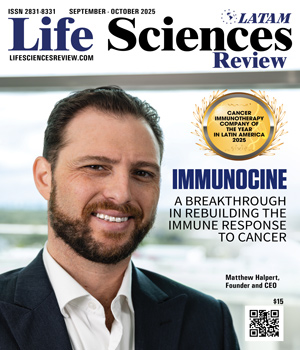
Cancer doesn’t always sneak past the human body’s defense mechanisms. Sometimes, the immune system simply fails to recognize the threat. This immunological ignorance lets tumors grow unchecked. Immunocine has developed a breakthrough immunotherapy platform that restores the immune system’s ability to recognize and fight cancer. After years of research, the advanced immunology company identified a critical flaw in the communication loop. Dendritic cells, the immune system’s key sentinels, often fail to deliver two essential signals—one to recognize an abnormality, and another to declare it dangerous. “The immune system’s ignorance isn’t passive, it’s a fixable mistake,” says Matthew Halpert, CEO. “Once we correct it, the body sees and fights.” With a proprietary Double-Loaded dendritic cell technology, Immunocine delivers both signals in the correct biological context. The therapy restores immune surveillance and initiates a precise, natural attack on cancer. The therapy does not broadly stimulate the immune system. Instead, it educates the system, showing it exactly what to target and why. Delivered in a nontoxic, outpatient setting, it complements existing treatment regimens while preserving future options. While outcomes vary based on tumor type, treatment history and the patient’s immune resilience, restoring recognition gives the immune system a fighting chance it previously lacked. For many patients, it represents the first meaningful opportunity to activate a true immune response guided by the body’s biology. Reprogramming Immune Precision for Long-Term Defense The process begins with a precision-engineered, lab-guided approach. Critical precursor cells are collected from the patient’s blood to be differentiated into dendritic cells, along with a personalized tumor sample usually obtained by biopsy. The cells are then exposed to the tumor’s comprehensive mRNA (a.k.a. “genetic blueprint”) and entire protein signature (a.k.a. “expression profile”) in the lab, providing a complete biological profile beyond isolated markers and mutations, and not necessarily dependent on what the underlying mutation specifically was. This simultaneous dendritic cell education is the critical signal itself, recalibrating the entire immune system to finally recognize this signature as a threat. Now, a focused and effective physiological response can truly take place, rather than continued ignorance of the tumor as benign. The activated dendritic cells are reintroduced near functional, draining lymph nodes relevant to the tumors, where they recruit T cells, alert other immune players and trigger a targeted, systemic attack. This immune recalibration establishes enduring surveillance against recurrence in a non-toxic, controlled manner, avoiding inflammation overload, gene editing and other high-risk interventions. It provides a clean reset rooted in the body’s natural immune pathways. “We’re not a cancer company that offers immune-based therapy,” says Halpert. “We’re an immunology company using advanced technology to help cancer patients.” Immunotherapy Made Safe and Transparent Immunocine reimagines immunotherapy as outpatient, biology-first care, free from the complexity of traditional, pharma-reliant models. From cell collection to reinfusion, the process avoids cryogenic storage, genetic modification and synthetic carriers. Because the therapy does not compromise immune function through toxicity, it can possibly be offered earlier in the treatment journey, before chemotherapy or radiation suppresses the immune system. It flips the conventional sequence, enabling immune activation when it can be most effective, not as a last-ditch effort. However, when and where this strategy is best implemented is truly a case-by-case decision, and Immunocine is always clear with the patient about what they believe the optimal strategy to be for legitimate and long-term success. Another key differentiator is transparent, upfront pricing. Unlike many other clinics that employ questionable billing practices or surprise patients with unexpected charges throughout treatment, Immunocine offers a comprehensive treatment program for a single, clearly stated fee with no hidden costs or premium add-ons. All clinically relevant techniques, which can differ some from patient to patient based on the case, are included in the program rather than being marketed as separate services. While personalized, hig-hintegrity cancer treatment will always represent a significant investment in the non-insurance space, Immunocine is committed to delivering exceptional value and ensuring patients understand exactly what they're receiving for their investment.
BioTech
Microbiota is emerging as the next generation of medicine that exceeds the established benefits offered by allopathy and homeopathy. Numerous scientific journals have documented a correlation between microbiota and metabolic diseases. It takes a true expert to identify and develop a medicinal strain that can work wonders in life-threatening neurodegenerative ailments. Greentech Group is medicinal biotechnology pioneer with in-depth knowledge of biochemistry and an ability to develop groundbreaking drugs. The company engages in ecological preservation through innovative endeavors ranging from green biotechnology with plants, white biotechnology with microorganisms and blue biotechnology with algae and seaweeds. “We harness nature’s richness to drive innovation across diverse industries, promoting global health and sustainability,” says Jean-Yves Berthon, CEO of Greentech Group. Its expertise is deeply rooted in understanding biotechnologies and the utilization of natural raw materials essential to its research and development process. Extracting different metabolites from microorganisms and their metabolic products enables Greentech to develop novel ingredients, including transforming substrates into valuable molecules. The company advances medical solutions while embracing environmental sustainability, showcasing the crucial role of biotechnology in its processes. This promotes the development of sustainable alternatives to existing medicinal biotechnology and drives a more resilient economy through the use of renewable living resources..

Therapeutics
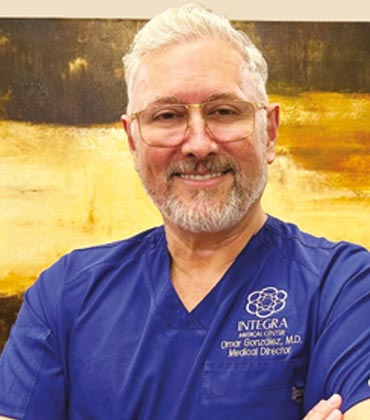
Breakthroughs and innovations constantly reshape our method of healing. Among these, there are moments when a truly remarkable discovery emerges that holds the power to transform lives and redefine the boundaries of what is medically possible. Such is the case with the stem cell protocol developed by the visionary CEO and medical director, Dr. Omar Gonzalez, at the renowned Integra Medical Center (IMC). The pioneering stem cell process is distinguished by its method of harvesting stem cells from term human placenta following a c-section , ensuring the procedure is completely non-invasive and safe for mother and child. These samples undergo rigorous testing for diseases and infections prior to their processing and preservation in a specialized laboratory. Dr. Gonzalez, leveraging his extensive experience and intuition gained over 32 years, tailors personalized treatment plans for each patient based on their medical conditions. The stem cells are then administered to the patient through multiple modes and very precise modes of delivery, where they are gradually absorbed, potentially offering an advanced treatment pathway for various ailments. This novel treatment has shown promising results in managing and alleviating symptoms of a wide range of diseases, including degenerative arthritis in major joints, chronic lung conditions such as chronic obstructive pulmonary disease (COPD), autoimmune diseases and neurological conditions like Parkinson’s disease..
Clinical Trial

Clinical Operations: Challenges, Trends, Insights
Giovanni Guzzo, Sr. Clinical Country & Site Lead, Ass. Director, Biogen Inc [NASDAQ: BIIB]
Therapeutics

Addressing Staffing Challenges within the Laboratory
Michael Baron, Executive Director of Clinical Laboratory Operations, Wisconsin Diagnostic Laboratories
Therapeutics

Generative AI and Regulatory Development: A Technical Perspective
Jonathan Aceves, Global Regulatory Affairs Director - Regulatory Science, Thermo Fisher Scientific
Life Science Consulting

Why a Quality Mindset Must Drive IT Change in Life Sciences
Paul Rascoe, Sr. Manager, IT SAP Systems, Beam Therapeutics
Clinical Laboratory

Potency Assay Development to Bridge Clinical Data and Remove Variability
Cheryl Grove Cox, Cell Therapy Operations Director, Moffitt Cancer Center

IN MY OPINION
Therapeutics
Rewriting Cancer Care Operations through Digitalization
Mike Marino, VP of Operations, Texas Oncology

LAST WORD
Therapeutics
Technological Innovations Driving Cancer Treatment
Armine Smith, Director of Urologic Oncology, Sibley Memorial Hospital
IN FOCUS

Biotech's Role in Latin America's Oncology Future
Cancer immunotherapy is transforming oncology in Latin America, driven by biotech firms that enhance access, foster research, and implement patient-centered strategies to address regional challenges.
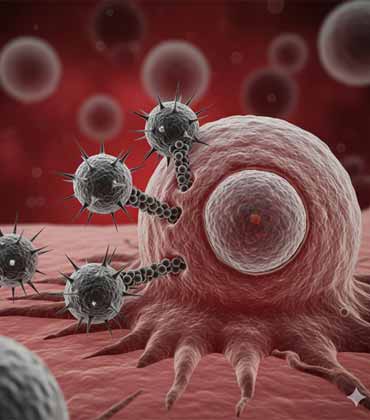
The Science and Strategy Behind Personalized Cancer Vaccines
Oncology is evolving towards personalized medicine with neoantigen-based vaccines, enhancing immune response against specific cancers, and beginning clinical trials in Latin America to improve access to advanced therapies.
EDITORIAL
The Immune Revolution in Cancer Care
Central to this transformation are biotechnology companies, whose R&D strategies leverage genomic insights, bioinformatics, and advanced cell engineering to accelerate discovery. Their collaborative networks with universities, hospitals and technology partners allow them to design therapies tailored to the biology of each patient’s cancer. But for discovery to truly change outcomes, it must be coupled with the ability to manufacture, distribute, and deliver at scale—an area where therapeutics companies take the lead. They provide the bridge from innovation to impact by tackling the region’s distinct challenges like scaling complex manufacturing, ensuring affordability, and access. Together, biotech innovators and therapeutics developers are laying the groundwork for Latin America to become an active contributor to the future of cancer care.
This edition of Life Sciences Review Latin America explores how cancer immunotherapy is advancing across the region, spotlighting biotech innovation, therapeutics scalability, and cross-border partnerships. It examines opportunities and challenges in access, regulation, and affordability, showcasing how Latin America is moving from adopter to contributor in shaping oncology’s future.
It features Armine Smith, Director of Urologic Oncology at Sibley Memorial Hospital who emphasizes that advances like genetic profiling, CRISPR, immunotherapy, robotics, and AI are reshaping cancer care, but adaptability still impedes cures, demanding accountability in innovation. Jonathan Aceves, Global Regulatory Affairs Director of Regulatory Science at Thermo Fisher Scientific highlights that generative AI can streamline regulatory affairs while demanding vigilance on data quality, ethics, and transparency.
It also spotlights, Immunocine, a precision immunotherapy company focused on retraining the immune system to recognize and fight cancer effectively and naturally.
We hope this edition offers fresh perspectives on the evolving landscape of cancer immunotherapy in Latin America, highlighting innovation, collaboration, and real-world challenges.
