


Texas Oncology
Rewriting Cancer Care Operations through Digitalization
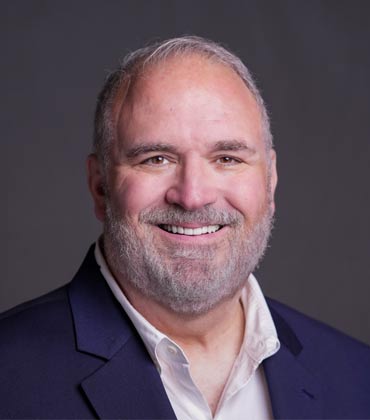
Mike Marino
Mike Marino brings over 35 years of leadership in healthcare, with the past 30 years dedicated to advancing cancer care. His journey with Texas Oncology began as a staff therapist. Through commitment, vision and a deep understanding of oncology operations, he climbed the ranks to become Practice Administrator, then Director and now Vice President of Operations for the North Division. In this role, he leads strategic planning and oversees operations across 130 sites of service, supporting physicians and every other employee who helps the organization thrive. Marino also lends his expertise as a member of the Advisory Board at LeanTaas and the Digital Marketing Advisory Council at Texas A&M University, Texarkana.
Passionate about shaping the future of healthcare, he teaches healthcare administration as an adjunct professor at Abilene Christian University. In 2018, he earned his doctorate in organizational leadership. His mission is to stay committed to aligning practice with purpose to drive innovation, encourage growth and deliver excellence in cancer care.
Through this article, Marino emphasizes making cancer care faster, more efficient and deeply patient-centered. By streamlining processes and leveraging technology, he aims to save patients valuable time. He stresses the importance of supporting care teams with tools, training and wellness resources.
Shaping Better Care with Technology
As an operations leader, you need to be involved in every part of a cancer center—supporting patients, working with doctors and nurses and helping employees do their best work. After spending over 30 years in an organization that truly cares about improving cancer care, I’ve seen how adding technology to every step of treatment can make things easier for both patients and the teams who care for them.
Every digital advancement we adopt, from AI-driven platforms to intuitive scheduling systems, is designed with one goal in mind: to create faster, more connected and more compassionate care for our patients.
Our first question is always: Will this help the patient? If it does, will it help our doctors and providers do their job better? Will it give doctors more time to spend with the patient and focus on what they need? Whether in person or through telehealth, we want to provide patient care in the best way for them.
Technology like AI is also making a big difference in cancer care. It helps doctors with things like writing notes, organizing meetings and sharing ideas more easily. The goal isn’t to remove the human connection but to give doctors, nurses and staff more time to focus on what matters most by caring for patients, listening to their concerns and being fully present during each interaction.
Technology that Respects the Patient’s Time
In oncology, life expectancy can be uncertain; a patient’s time becomes incredibly precious. Many spend long hours in clinics and treatment centers, often feeling like their lives are on pause. At Texas Oncology, we carry that understanding into every aspect of care, driven by a commitment to helping patients move through their treatment journey faster, without compromising safety. We constantly ask ourselves: How can we reduce the time they spend waiting, while still giving them the thoughtful, attentive care they deserve?
To meet these needs, we’ve turned to digital health platforms that help us act faster without losing the human touch. One key tool is natural language processing, which manages incoming patient calls. Instead of navigating a maze of voicemails or callbacks, patients are quickly routed to the right person on the first try, which we call “first-touch resolution.” This saves time and immediately assures patients they’re being heard and helped.
Using digital platforms for clinical monitoring allows us to track patient progress and symptoms between visits. However one of the major areas of impact of digital healthcare tools is how we manage everything from referrals and appointments to symptom tracking, making the whole patient journey smoother and more responsive. These tools work together to reduce delays, streamline care and help our teams focus more on people and less on paperwork.
A Future Built on Precision and Compassion
In just a few years, the landscape of cancer care has transformed, and so has the way we deliver it. At Texas Oncology, every digital advancement we adopt, from AI-driven platforms to intuitive scheduling systems, is designed with one goal in mind: to create faster, more connected and more compassionate care for our patients.
But speed alone isn’t enough. Behind every innovation is a dedicated team of physicians, nurses, technicians and support staff working in close coordination. We invest in their growth and well-being through continuing education, leadership development, tuition reimbursement and a variety of concierge services dedicated to the wellbeing of all our physicians and staff. Because when we support the people who care for our patients, we strengthen every part of the cancer journey.
As we look to the future, cancer care is moving into a new phase, with tools like genetic testing and tumor analysis, we can now create treatment plans tailored to each person’s unique needs. We’re no longer just treating a disease; we’re treating a person.
From AI tools that help us monitor patients remotely to systems that improve communication between teams, digital tools have become a big part of creating more caring, responsive healthcare. While the technology may be advanced, our goal remains the same: to give every patient the best possible care and more time when they need it most.
