


Biogen Inc [NASDAQ: BIIB]
Clinical Operations: Challenges, Trends, Insights
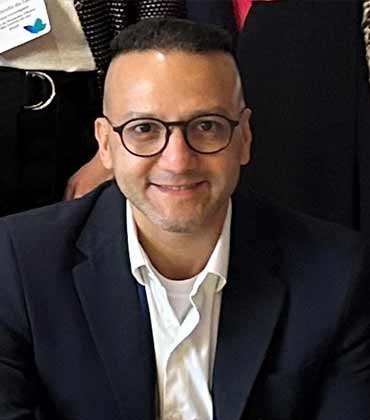
Giovanni Guzzo
1. How do you foresee the latest developments in Clinical Operations influencing your business's challenges in fulfilling its requirements?
The development process of new molecules is changing rapidly, and some key stakeholders, such as regulatory agencies, diagnostic laboratories, and HCPs, might be facing difficulties. New technologies are being applied not only in the class of new drugs but also in study design, statistical analysis, and endpoints. Such changes may lead to distrust and difficulties in understanding new treatments by patients and HCPs.
For example, in the rare diseases field, companies are trying to elaborate designs that may shorten the development pathway, combining phases and having the patient journey from the early stages. Recently developed molecules are designed to act in new disease targets and measured by new biomarkers, and interpreting results is sometimes challenging for health authorities. This may lead to delays in product registration as the need for ad hoc professional support is observed. Moreover, such biomarkers are often not part of the laboratory's portfolio, resulting in a difficult understanding of treatment efficacy by HCPs.
On the other hand, new technologies may have the opposite effect when well-described to HCPs. Data transparency and training for professionals are important to keep HCPs and Health Authorities close to new discoveries. Such an approach should occur since the early stages of drug development as it may build trust and confidence in the new drug.
2. If your company can consent to this, can you share your experiences from one of the projects you were recently involved in?
Overall, trials are facing more challenges to fulfil health authorities’ and becoming a constant renovation exercise throughout the project.
From an operation point of view, country selection is one of the first steps to consider when planning a program development or a single protocol. Countries with fast regulatory processes are attractive, but often, competitive trials result in a lack of available sites and a slow recruitment projection. To meet the company’s objectives, going global and considering other countries is an approach to overcome such barriers. Besides that, global trials may give important inputs about the health field environment and the behavior of the target population, elucidating the difficulties to be considered whenever the new drug is commercialized in the country.
I advise spending the necessary time planning, carefully checking the protocol characteristics, and setting up an adequate feasibility process
In addition, when running a global trial, country-specific requirements related to sites have to be taken into account, as it may affect the study milestones, such as recruitment and timelines.
This may also be an opportunity to allow patients and HCPs access to new technology.
3. What are some of the challenges in clinical operations that make current services unable to provide an optimal solution?
Global trials will always face obstacles, such as in logistics. This sector encompasses from investigational product transportation and lab kits to shipment of blood samples. Several external factors may impact its operation, so it is common to observe delays in site activation and blood exam analysis due to sample instability and cancellations. Solutions could vary from working with local labs and based on a harmonized method or with charter flights to specifically transport clinical research materials (which would certainly have a cost impact).
4. Do you have any advice, suggestions, or warnings you would give to professionals in a similar role working in other companies in the pharma industry in terms of dos or don'ts?
I advise spending the necessary time planning, carefully checking the protocol characteristics, and setting up an adequate feasibility process. Requirements, timelines, epidemiology, sites’ experience and capacity must be fully considered to make decisions. Objectives should be set but never based in a static way; external factors must be considered to elucidate different scenarios that may, directly and indirectly, impact the trial performance.
Another source of intel that should be considered is the company’s field force, such as MSLs and commercial representatives. These functions can give very sensitive information on the market trends that may impact the trial and the perception of the investigators.
5. Is there a specific technology trend in Clinical Operations that stands out to you as particularly exciting, and if so, what aspects make it noteworthy?
AI applied for clinical trials is a tool that is being applied in diverse operational areas with a very important impact on design models, planning, patient search, data collection and interpretation. Nevertheless, the way the AI is set to act in clinical trials is key to delivering the proper information; otherwise, it may show unrealistic trends that will lead to mistaken conclusions. As a suggestion, AI could be applied to the analysis of potential barriers to operations, evaluating external factors to check if the study may be completed according to timelines.
6. Please provide us with your biography.
Giovanni Guzzo is a Brazilian pharmacist with a master’s in pharmacology and a PhD in Physiopathology. I started in clinical research as a study coordinator, then acted as a CRA at Intrials Clinical Research and up to LATAM Regional Clinical Research Manager in Merck-Serono. Today, Giovanni plays the role of Global Program Clinical Country and Site Lead for Biogen.
