


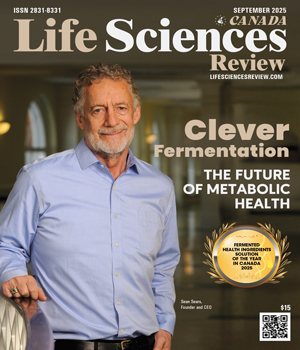
We like to think that eating whole foods is enough to keep us healthy. But research tells a more sobering story. Only about 10 percent of polyphenols—the antioxidant compounds found in foods and particularly in fruits—are actually absorbed by the body in their natural state. According to Clever Fermentation’s Founder and CEO Sean Sears, this widening gap between what we consume and what our bodies can absorb signals a deeper systemic failure within our bodies. “Our metabolic machinery is broken,” says Sears. “You can eat a cup of fruit thinking you’re feeding your body antioxidants. But in truth, you might be absorbing less than 1.0 percent.” The root of the issue lies in what modern diets have left behind. As fermented foods vanished from our plates, often replaced with processed foods, so did the microbial diversity our bodies once relied on to process food compounds. The enzymes and bacterial microbes required to unlock the most beneficial compounds, like polyphenols, are no longer reliably present in the gut. And without them, the body struggles to make use of even the healthiest foods. Metabolic dysfunction has reached epidemic proportions today, affecting more than 85 percent of adults in the U.S, with 40 percent being insulin resistant. This is the problem Clever Fermentation set out to solve. For the past decade, Clever has been rethinking what nutrition can look like in a world where gut health is no longer a given. That work led to Bluotic, the world’s first tribiotic, a formulation that combines distinct types of microbiome-supportive components found in probiotics, prebiotics and postbiotics. Instead of relying on the gut to break down complex polyphenols, Bluotic uses a proprietary multi-step fermentation process to pre-convert the fruit polyphenol into a broad array of the same bioactives the body creates through digestion. Combining carefully selected strains of probiotic bacteria and yeast mimics a healthy microbiome's metabolic work. It produces phenolic metabolites and short-chain fatty acids, critical bioactives the body can more easily use and that don’t need to be unlocked once they’re inside you.
Life Science Consulting
Successful drug development in today’s fast-paced Life Sciences industry goes beyond just meeting regulatory requirements. It calls for agile strategies, efficient team structures, and a proactive approach across every stage, from early clinical planning to the final commercial rollout. To keep pace, companies need a partner who can navigate scientific and operational complexities. Demberg PharmaSolutions (DPS) has evolved into that partner. Once primarily known for its strength in quality systems and regulatory guidance, the firm now delivers full-spectrum consulting across the entire product lifecycle. With over 35 years of experience in the life sciences and regulatory environment, founder and president Natasha Demberg leads DPS in helping pharmaceutical, biotech, cosmetic, and healthcare organizations streamline operations and maintain compliance across all stages of product lifecycle starting at early development stage, such as Phase 1 clinical study. DPS guides their partners from early-stage clinical trials through to commercialization, process alignment, and strategic organizational design, adopted to every step. Whether managing global trials or restructuring internal workflows, DPS ensures that science, strategy, and operational structure are fully aligned, driving sustainable success in an increasingly complex development landscape. It has built flexible quality systems that support clinical trials from the outset, allowing for a smooth progression into commercialization without the burden of costly system changes. This approach saves time and resources, setting a strong foundation for long-term success. “Our goal is not just to meet the standard but to help clients build systems and teams that are scalable and future-ready,” says Demberg. By embedding compliance with key regulatory GxP standards, including FDA, EMA, and Health Canada, into its processes, DPS helps clients stay ahead of regulatory demands while advancing their growth goals. Its quality support evolves with each stage of development, from early-phase trials to post-market surveillance, ensuring a tailored, phase-specific approach at every step..

Life Science Consulting

Plum Clinical Solutions is a boutique consultancy helping early-stage and growing biotech companies navigate clinical supply management’s intricate operational, regulatory, and technical demands. The firm specializes in forecasting and planning of clinical supplies, manufacturing and labeling of clinical supplies, setup of the IRT and inventory management, global logistics and distribution, and specialty areas such as logistics for ultra-cold chain or controlled substances, offering comprehensive, hands-on support across the entire clinical supply lifecycle. Clare Plumtree, founder and principal consultant at Plum Clinical Solutions, is at the heart of the consultancy. A pharmaceutical industry veteran with over 25 years of experience, she has focused on clinical supplies for the past 15 years. After her previous company was acquired and the team was let go, Plumtree transitioned into consultancy and identified a crucial market gap. Small and mid-sized biotech firms often struggle to meet rising clinical supply demands because they lack the necessary infrastructure and headcount. “I often come in when complexity is growing faster than headcount,” says Plumtree. “Many smaller companies try to manage supply responsibilities by distributing them across project managers or CMC leads, but as the study scales, that approach quickly becomes unmanageable.” Flexible, Embedded Clinical Supply Leadership Having worked across multiple organizations and study phases, she founded Plum Clinical Solutions to fill a growing need for hands-on, technical supply leadership in smaller, fast-moving biotech environments. Plumtree works directly with clients as a fractional FTE or embedded consultant, providing the dual advantage of strategic oversight and hands-on execution. Each engagement begins with a scoping discussion to assess needs, define deliverables, and agree on the working model, hourly or retainer, ensuring alignment before work begins. Her cross-functional background in clinical operations, CMC, and logistics enables seamless coordination between internal teams and external vendors. The model is built on flexibility, accountability, and deep subject-matter expertise, offering biotech organizations a single, experienced point of contact throughout each engagement..
Supplements
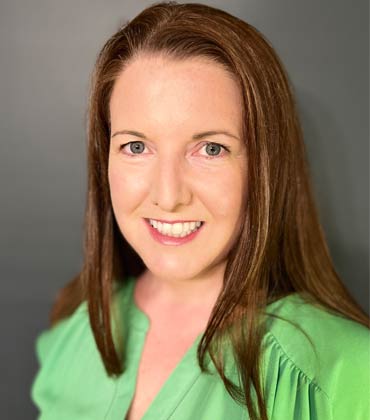
Making Cell Therapy Accessible to All Patients
Nuala Trainor, Director of Innovation, Lonza [SWX: LONN]
Clinical Trial
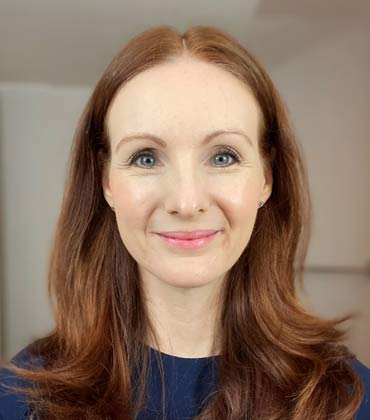
The Role of Statisticians in Study Design and Why to Engage Them Early
Melanie Buitendyk, Vice President Biostatistics and Statistical Programming, Allucent
Life Science Consulting

The Evolving Landscape of the Cannabis Industry: Sustainability and Innovation
Ivan A. Salazar, Plant Packaging & Sanitation Manager, Organigram Inc
Life Science Consulting

Strategies for Success: Transforming Challenges into Achievements in Home Healthcare
Vannett Hamilton, Director of Nursing, Extendicare
Life Science Consulting
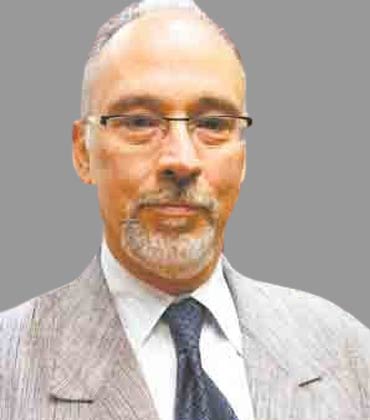
Shaping Mental Health and Addiction Services
Saulo Castel, Director, Inpatient Services, Department of Psychiatry, Sunnybrook Health Sciences Center
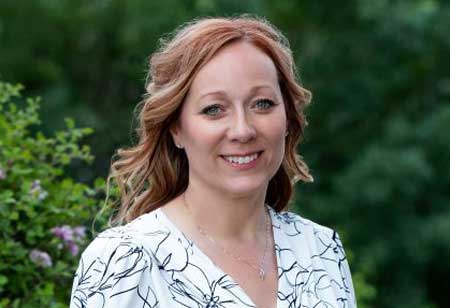
IN MY OPINION
Supplements
Community Paramedicine and its Benefits for Provincial Health Systems
Sherri Jule, Director EMS – North, Community Paramedicine Programs, Saskatchewan Health Authority
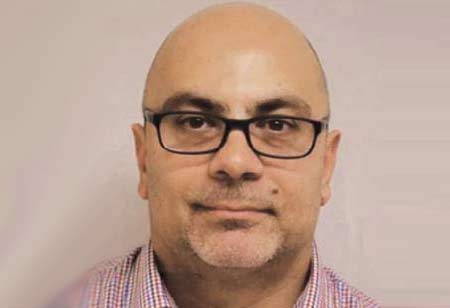
LAST WORD
Supplements
Leading the way in medical imaging innovation
Jim Tsourgiannis, Director, Medical Imaging and Laboratory Services, Mackenzie Health
IN FOCUS

Canada's Biofoundry Moment: Precision Fermentation and AI Converge
Precision fermentation integrates synthetic biology and AI to optimize microbial production of bioactive ingredients, presenting innovative opportunities in health and nutrition, particularly in gut-brain axis modulation.

Weaving Sustainability into the Fabric of Canadian Life Sciences
Embedding sustainability in operations enhances brand credibility, boosts employee engagement, and builds resilience against disruptions, making ESG a moral imperative and strategic advantage.
EDITORIAL
Revolutionizing Health with Fermented Health Ingredients
Life Sciences Consulting companies are at the forefront of these developments, bridging the gap between research and market-ready solutions. These firms specialize in providing expert insights into the latest trends, technologies, and regulatory considerations, ensuring that businesses can make informed decisions. By working with companies to identify the right fermented ingredients, they help unlock new therapeutic possibilities, such as improved gut health, immune function, and anti-aging properties. Through thorough market research, product testing, and regulatory guidance, life sciences consultants are critical in transforming innovative concepts into effective consumer products.
Another essential aspect of the health ingredient landscape is Clinical Supplies Consultancy. This specialized service focuses on ensuring the clinical efficacy, safety, and quality of health products, especially those entering the clinical trial phase. Clinical Supplies Consultants work closely with research teams to navigate the complexities of clinical testing, managing the logistics of sourcing and supplying ingredients that meet stringent regulatory standards. With the growing interest in personalized medicine, their expertise ensures that products are scientifically validated before they hit the market, guaranteeing consumers a product that is both effective and safe.
The intersection of fermented health ingredients, life sciences consulting, and clinical supplies consultancy is pivotal in advancing health innovations. These sectors are collaborating to bring better, safer, and more effective products to the market, changing the way we approach health and wellness for the future.
In this edition, we have featured Clever Fermentation, a company that transforms polyphenol-rich fruits into highly bioavailable health ingredients using precision fermentation. The edition also contains insights from Nuala Trainor, Director of Innovation at Lonza, who emphasizes how cell and gene therapy have made great strides in recent years, with significant growth expected in the coming years. It also features an article from Melanie Buitendyk, Director, Biostatistical Consulting at Allucent, who tells how developing a protocol expeditiously minimizes study duration and gains approval by regulatory authorities so therapies can be provided to patients faster.
