CLOSE

Specials

I agree We use cookies on this website to enhance your user experience. By clicking any link on this page you are giving your consent for us to set cookies. More info

Skip to: Curated Story Group 1
Life Sciences Review
US
EUROPE
APAC
CANADA

About Us

Conference

Partner With Us

  • US
    • EUROPE
    • APAC
    • CANADA
    • LATAM
  • Drug Discovery
    Antibodies
    BioTech
    Cell and Gene Therapy
    Clinical Trial
    Drug Discovery and Development
    Life Science AI
    Regenerative Medicine
    Therapeutics
  • Biomanufacturing
    Biomanufacturing
    Bioprocessing
    Blood Bank
    CDMO
    Clinical Laboratory
    CRO
    Life Science Testing
    Skin Care
    Supplements
  • Business Services
    Life Science Consulting
    Life Science Facility Service
    Life Science Financial Services
    Life Science Marketing
    Life Science Recruitment Firms
    Pharma Wholesale and Distribution
    Pharmacy Management
    Regulatory and Compliance
    Regulatory Services
  • Leadership Perspectives
  • Innovation Insights
  • Research
  • News
  • Magazines
  • CXO Awards
×
#

Life Science Review Weekly Brief

Be first to read the latest tech news, Industry Leader's Insights, and CIO interviews of medium and large enterprises exclusively from Life Science Review

Subscribe

loading

Thank you for Subscribing to Life Science Review Weekly Brief

Life Science Financial Services

Preclinical Research Services

Preclinical research services help life sciences companies evaluate therapeutic candidates before human clinical studies. With a focus on study design, safety testing, data quality and regulatory readiness, they support stronger development decisions and more reliable research progression.

Solutions
Laviana Pharma: Balancing Global Strength with Local Speed
Laviana Pharma
Balancing Global Strength with Local Speed
Wenting Chen, Co-Founder and CEO
Drug development is evolving—shifting from small-molecule drugs (under 500 molecular weight) to larger (above 1,000), more complex compounds—designed to interact with biological pathways more precisely. Therapeutics like peptides and GLP-1 receptor agonists offer enhanced efficacy and target specificity but bring formulation challenges due to their size, fragility and poor oral bioavailability. These complexities demand advanced delivery systems and specialized handling.
Read more
State of Industry

Surging Demand in Preclinical Research in Drug Development

The substantial growth in preclinical research services underscores the increasing sophistication required in drug development among pharmaceutical and biotechnology companies, which face ongoing pressure to expedite the creation of new treatments and therapies. Preclinical research is essential for determining the safety and efficacy of prospective drugs before they transition into clinical trials. As the complexity of drug discovery and development continues to evolve, there is a corresponding reliance on preclinical services to generate the comprehensive data necessary for regulatory approvals and to facilitate successful clinical outcomes.

Read more
Deep Dive

Preclinical Research Services for a More Demanding Drug Pipeline

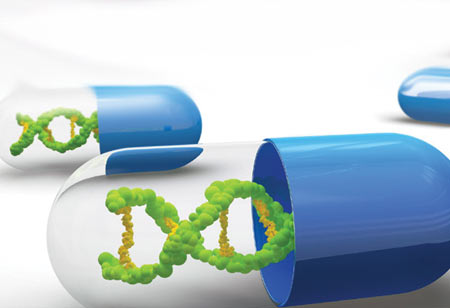
Drug developers now face a tighter preclinical window than prior cycles allowed. Candidate complexity is rising, development capital is being scrutinized earlier and supply-chain planning has moved closer to the start of CMC strategy. For executives acquiring preclinical research services, the decision is no longer limited to outsourcing discrete chemistry tasks. It is a choice about whether a partner can turn uncertain science into a development path that remains credible when the molecule advances, the formulation question becomes harder and regulatory expectations begin to shape every technical decision.
Read more
Leadership Perspective
Potential of Cell and Gene Therapy
Bristol Myers Squibb
Potential of Cell and Gene Therapy
Kathy Van Sickle, Director, Preclinical ADME and PK, Neuroscience

Kathy Van Sickle is a drug development scientist with 25 years of experience in clinical and non-clinical pharmaceutical research. A Wake Forest University graduate with a B.S. in Chemistry, she contributed to securing FDA approval for Cobenfy, a schizophrenia treatment. Known for expertise in regulatory strategy, pharmacokinetics and leadership, Sickle excels in advancing innovative therapies and fostering highperforming teams, driving meaningful progress in drug development and patient care.

Read more

Preclinical Research Services Info

Q1
What Do Top Preclinical Research Services Help Drug Developers Accomplish?
Preclinical research services help drug developers evaluate whether a candidate is scientifically sound, safe enough to advance and practical to develop before human trials begin. Top Preclinical Research Services often support early decision-making through chemistry, formulation, analytical testing, safety assessment and development planning that connects discovery work with later clinical and manufacturing requirements.
Q2
What Services Are Usually Included in Preclinical Research Support?
Preclinical research support may include compound characterization, process research, formulation screening, stability evaluation, analytical method development, toxicology support, pilot-scale preparation and documentation for regulatory planning. Top Preclinical Research Services are valuable when these workstreams are coordinated rather than treated as separate tasks, because early technical choices can influence cost, timelines and clinical readiness.
Q3
Why Is Demand Growing for Preclinical Research Services?
Demand is rising because drug pipelines are becoming more complex, development budgets are being reviewed earlier and sponsors need clearer evidence before advancing candidates. Top Preclinical Research Services help address this pressure by identifying formulation, manufacturability, safety and scale-up concerns sooner, reducing the chance that a promising program faces avoidable delays later in development.
Q4
How Are Leading Preclinical Research Providers Evaluated?
Leading preclinical research providers are typically evaluated on scientific depth, laboratory capability, documentation quality, safety practices, responsiveness and the ability to support programs beyond isolated experiments. Top Preclinical Research Services should also show strong understanding of regulatory expectations, technology transfer needs and how early research decisions can affect clinical, manufacturing and commercial pathways.
Q5
How Do Preclinical Research Services Create Value for Drug Development Teams?
Preclinical research services create value by reducing uncertainty before costly clinical investment begins. They can help drug development teams compare technical routes, avoid rework, control risk, improve data quality and strengthen development continuity. Top Preclinical Research Services are especially important when sponsors need disciplined evidence to support funding decisions, regulatory preparation and faster movement into the next development stage.
Q6
What Role Do Innovation and Expertise Play in Preclinical Research Services?
Innovation and expertise matter because modern drug candidates often involve complex chemistry, sensitive formulations, high-potency handling or specialized analytical needs. Top Preclinical Research Services combine experienced scientific judgment with advanced tools, robust safety systems and practical development thinking. This balance helps teams solve early technical problems while keeping later scale-up, compliance and quality requirements in view.
Life Sciences Review
Follow on LinkedIn

About

  • Home
  • About Us
  • Partner With Us

Stay Connected

  • Subscribe
  • Newsletter
  • Sitemap

Contact Us

  • editor@lifesciencesreview.com
  • sales@lifesciencesreview.com
  • marketing@lifesciencesreview.com

Legal

  • Editorial Policy
  • Privacy Policy
  • Terms of Use

© 2026 Life Sciences Review. All rights reserved. Headquartered in Fort Lauderdale, FL, USA.

This content is copyright protected

However, if you would like to share the information in this article, you may use the link below:

https://www.lifesciencesreview.com/a/preclinical-research-services