
Evumed Limited
Evumed Limited: Building a More Dependable Route to Medicine Access
Colm Moynihan, President

Life Science Review Weekly Brief
Be first to read the latest tech news, Industry Leader's Insights, and CIO interviews of medium and large enterprises exclusively from Life Science Review



Epilepsy patients deserve better, and we support health professionals in considering the most suitable formulation for their patients at every turn.
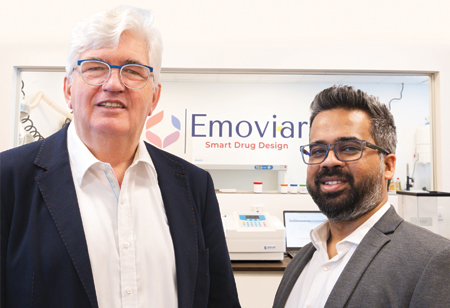
Emoviar is not simply refining delivery systems or repackaging generics; it is advancing a formulation-first, platform-based approach that delivers technical innovation, commercial protection, and regulatory agility

The global pharmaceutical landscape is undergoing rapid evolution, driven by the growing demand for affordable and effective treatments. Central to this transformation is the development of generic and biopharmaceutical medicines, which require specialised services to navigate the complex processes of research, regulatory approval, and manufacturing.
As these medicines become integral to healthcare systems worldwide, the services supporting their development must balance efficiency, compliance, and scalability. The role of development services has thus become crucial in ensuring that scientific innovations are translated into accessible and reliable medicines, meeting diverse patient needs across markets.
Strengthening Regulatory Alignment and Compliance Systems
Regulatory alignment serves as the foundational element on which all pharmaceutical development activities depend. The pharmaceutical industry requires companies to follow multiple regulatory standards, which vary between different countries.
Companies that do not fulfil these requirements will face two consequences, which include product launch delays and total product market removal. Development teams need to begin their work according to regulatory rules because this approach guarantees that their products will receive approval on time.
"Development teams need to begin their work according to regulatory rules because this approach guarantees that their products will receive approval on time."
The product development process needs development services to help companies meet their regulatory obligations during each stage of the development process. The researchers develop drug formulation from its first stage until the last validation stage, which fulfils all necessary standards.
The services act as a pathway for faster approval, which decreases the chances that regulatory authorities will refuse or delay their applications. Companies that include regulatory requirements in their development work from the beginning will achieve better efficiency results while they spend less time on compliance expenses.
The regulatory system for biopharmaceutical products shows multiple levels of complexity because it includes many different regulations. Biologics require more sophisticated testing and validation processes, plus quality control procedures, compared to standard generic medications.
The development services in this field exist to handle the ongoing challenges that exist between local and international authorities who enforce their rigorous regulatory requirements throughout all product lifecycle stages, from research through clinical testing to manufacturing and distribution. The market entry process for new biopharmaceutical products becomes better through this comprehensive strategy, which helps products reach patients faster.
Enhancing Process Efficiency in Medicine Development
The pharmaceutical industry needs better process efficiency as it faces increasing market pressure to deliver drugs within shorter timeframes. The development services need to create more efficient processes, which will help organisations to deliver their products within shorter timeframes. The medicine development process requires every stage to be optimised for streamlined operations, which will enhance market access and cost-effective delivery.
The implementation of advanced technologies together with data analytics represents the primary approach organisations use to reach better operational performance. The development services use advanced modelling and simulation tools to generate better drug performance predictions, which help them develop new drug formulations through quicker testing and testing processes. The development process benefits from digital technology integration through artificial intelligence and machine learning, which identify patterns and improve decision-making abilities.
The biopharmaceutical product development process requires companies to use fast adjustment capabilities, which enable them to incorporate new data into their existing systems. The production of complex therapies necessitates specialised manufacturing methods that use recombinant DNA technology and cell culture systems that consume more resources when compared with standard production procedures.
The development services that specialise in biologics play a vital role because they enable manufacturers to produce products at scale while maintaining product quality across all manufacturing operations.
The scientific aspects of drug development undergo efficiency improvements that extend beyond their technical domains. The development process needs to have all its elements, from project execution to supply chain management, work together without interruptions. Pharmaceutical companies achieve better operational efficiency when they implement best operational practice methods because their methods result in major cost reductions for development activities.
Expanding Integrated Biopharmaceutical Capabilities
The development of biopharmaceutical therapies, including monoclonal antibodies and gene therapies, plus cell-based treatments, creates new challenges for pharmaceutical companies that must deliver products on time. The products need specialised development services that combine multiple scientific fields to create solutions for conditions that have no current treatment options.
The biopharmaceutical integrated development services bring together specialised skills from multiple scientific fields to create products that are both scientifically feasible and ready for mass production. The commercial distribution process of products faces important challenges during the transition, which requires businesses to move from their laboratory production operations to their commercial production activities.
The development services of a company help clients produce their biopharmaceutical products at better efficiency levels through a complete understanding of their scientific and operational needs.
Biopharmaceutical development processes form their structural system through integrated services, which deliver better market delivery speeds. The product development process achieves both technical and regulatory success through scientist-engineer-regulator collaboration, which establishes operational standards for each development stage.
Biopharmaceutical companies use integrated services to enable their companies to reach better results through two pathways, which include meeting regulatory requirements for clinical trial data and refining manufacturing processes to boost product yield.
Gynaecology and neuro-psychiatry medicine developments in Europe are transforming patient care through advanced diagnostics, personalised treatment strategies, and technology-driven healthcare solutions. Both specialities are experiencing rapid innovation as healthcare providers focus on improving patient outcomes, early disease detection, and long-term quality of life. From women’s reproductive health and hormonal care to mental health management and brain health research, Europe continues to play a major role in advancing modern medical practices.
The healthcare sector across Europe is increasingly emphasising patient-centred treatment models. There is a growing focus on preventive care, minimally invasive procedures, fertility support, and hormonal health management. In neuro-psychiatry, developments are centred around earlier diagnosis, mental health disorder management, and advanced therapies for complex psychiatric conditions. An ageing population, rising awareness of women’s health, and increased prevalence of psychiatric disorders are contributing to greater investment in research and healthcare innovation.
Advancements in Gynaecology Care and Minimally Invasive Treatments
Gynaecology in Europe is evolving toward more personalised and preventive healthcare approaches. Women are increasingly seeking early diagnosis, routine screening, and long-term reproductive health management rather than treatment only after symptoms become severe. Hospitals, medical technology providers, and pharmaceutical developers are working toward more precise and effective treatment options that support long-term patient well-being.
The developments are improving patient experience while helping healthcare systems manage treatment efficiency more effectively. Fertility and reproductive health services are expanding. Delayed parenthood, lifestyle changes, and increased awareness of reproductive health are driving demand for fertility support and hormone-related care. Healthcare providers are focusing on individualised treatment plans that consider patient history, hormonal balance, and long-term reproductive goals.
Digital health technologies are improving patient monitoring and communication as well. Telemedicine consultations, remote follow-ups, and digital health platforms are helping patients access gynaecological care more conveniently while supporting ongoing treatment management. Early screening programs and improved diagnostic technologies are helping healthcare providers identify conditions more effectively and support earlier intervention strategies. The shift toward personalised and technology-supported care is reshaping modern gynaecology services across Europe.
Neuro-Psychiatry Innovations and Diagnostic Technologies
Neuro-psychiatry is experiencing major advancements as healthcare systems focus more heavily on brain health, mental health conditions, and precision medicine. Conditions concerning the brain and nervous system are evolving more frequently due to geriatric populations and changing healthcare needs. Early diagnosis is one of the most important priorities in neuro-psychiatry medicine. Advanced imaging technologies, digital monitoring tools, and data-driven diagnostics are helping specialists identify neuro-psychiatric conditions earlier and more accurately.
Faster diagnosis supports earlier treatment and improves long-term disease management. Research into mental health conditions continues to expand. Healthcare providers and researchers are focusing on improving treatment options, symptom management, and patient quality of life through more targeted therapeutic approaches. AI and digital analytics are beginning to influence neuro-psychiatric care as well. Data analysis tools can help identify patterns, support clinical decision-making, and improve patient monitoring over time.
Personalised treatment strategies are becoming more important in neuro-psychiatry. Specialists are increasingly tailoring therapies based on patient-specific conditions, symptoms, and treatment response rather than relying solely on generalised approaches. Remote healthcare technologies are improving neuro-psychiatric patient support. Telehealth services and digital monitoring systems help patients maintain regular contact with healthcare providers, particularly for long-term neuro-psychiatric management.
Research Investment and the Future of Specialised Medicine
Technology integration is transforming gynaecology and neuro-psychiatry healthcare services across Europe, leading to more efficient and effective patient care. The advent of digital health systems and connected devices plays a crucial role in this evolution. The innovations facilitate the seamless exchange of information between healthcare providers, enabling real-time monitoring and data sharing. It enhances the accuracy of diagnoses and streamlines workflows, permitting healthcare experts to devote more time to patient interaction and supervision.
Predictive analytics is another key component reshaping these fields. In neuro-psychiatry, predictive models can help clinicians anticipate the course of a patient’s condition and tailor interventions accordingly, improving the overall effectiveness of treatments. The combination of advanced diagnostic tools with digital platforms is revolutionising how patients engage with their healthcare journey. Telemedicine has become an essential resource, enabling patients to obtain medical care right from their homes.
The innovative approach enhances accessibility to healthcare services and provides convenience, allowing individuals to consult with healthcare professionals without the need to travel. Telemedicine is transforming the way patients engage with their healthcare providers, making it easier for them to manage their health and receive timely support. It enhances accessibility and empowers patients to take an active role in managing their health.
The momentum for investment in medical research continues to rise, reflecting healthcare organisations' commitment to developing innovative treatment options. The focus on research is essential for advancing knowledge in both fields, paving the way for groundbreaking treatments that can immensely enhance patient results. Technology and patient care are set to evolve further, promising a future where healthcare is more responsive, personalised, and effective than ever before.
Neurological pharmaceutical companies in Europe represent a vital segment of the life sciences industry, focusing on the research, development, and commercialisation of therapies that target disorders of the brain, spinal cord, and peripheral nervous system. Operating within a well-established regulatory and scientific framework, these organisations translate advances in neuroscience into clinically validated treatments designed to address complex neurological conditions. Their efforts support improved patient outcomes, strengthen healthcare system capabilities, and contribute to sustained innovation in therapeutic approaches across the European medical landscape.
Evolving Landscape of Neurological Drug Development in Europe
The neurological pharmaceutical sector in Europe reflects a highly specialised field dedicated to the research, development, and commercialisation of therapies targeting disorders of the brain, spinal cord, and peripheral nervous system. Growing awareness of neurological health has strengthened demand for innovative medicines that address complex conditions such as neurodegenerative diseases, epilepsy, multiple sclerosis, and rare genetic syndromes. Pharmaceutical organisations in this space focus on translating advanced neuroscientific discoveries into clinically viable treatments that improve patient outcomes and functional independence.
A strong emphasis on precision medicine defines the present landscape. Companies are increasingly designing therapies based on molecular and genetic profiling to understand disease mechanisms at a granular level better. This approach supports targeted interventions that align treatment strategies with individual biological characteristics. The integration of biomarker research into clinical programs has enhanced diagnostic accuracy and therapeutic monitoring, contributing to more effective treatment pathways within European healthcare systems.
Another notable trend involves the growing role of biologics and advanced therapy medicinal products in neurological care. Novel therapeutic modalities, including monoclonal antibodies and gene-based treatments, are reshaping how neurological disorders are managed. Research pipelines are expanding beyond symptomatic relief toward disease-modifying approaches that aim to influence the underlying pathology. This shift strengthens long-term value for patients and healthcare providers while reinforcing Europe’s position as a centre for neuroscience innovation.
Collaboration also defines the current environment. Partnerships between academic institutions, clinical research centres, and pharmaceutical developers foster knowledge exchange and accelerate translational research. Shared infrastructure and cross-border clinical networks enable broader patient participation in trials and contribute to more diverse data sets. These cooperative models enhance scientific rigour and help ensure that emerging therapies reflect real-world clinical needs across varied populations.
Addressing Complex Barriers through Strategic Solutions
One major challenge within the neurological pharmaceutical sector lies in the scientific complexity of brain disorders, which often involve multifactorial causes and heterogeneous patient populations. This complexity can hinder target identification and slow therapeutic discovery. To address this barrier, companies are investing in systems biology approaches and advanced computational modelling that allow for deeper analysis of disease pathways. By combining genomic data with artificial intelligence-driven analytics, research teams can refine target validation and increase the probability of clinical success.
Another challenge concerns the demanding structure of neurological clinical trials, which frequently require long observation periods and specialised assessment tools to measure cognitive and functional outcomes. Such requirements can increase operational burdens. The solution has emerged through adaptive trial designs and digital monitoring technologies that capture continuous patient data. Remote assessment platforms and wearable devices support more efficient data collection while preserving scientific integrity. These innovations improve trial feasibility and enhance patient engagement without compromising safety standards.
Market access across diverse European healthcare systems presents an additional challenge due to variations in reimbursement policies and evaluation frameworks. Differences in value assessment criteria may delay the introduction of innovative therapies to specific regions. A constructive solution involves early engagement with health technology assessment bodies and transparent communication regarding clinical benefit and long-term health system impact. By presenting robust real-world evidence and pharmacoeconomic data, companies can demonstrate value propositions that align with national healthcare priorities and promote equitable access.
Growth Pathways and Technological Progress Driving Shared Value
Significant opportunities are emerging from advances in gene editing and RNA-based therapeutics that open new avenues for addressing inherited neurological conditions. These technologies provide the potential to modify disease processes at a foundational level rather than solely managing symptoms. The expansion of regenerative medicine approaches further enhances the prospect of restoring neural function in select disorders. Such advancements create transformative potential that benefits patients while reinforcing scientific leadership within the region.
Digital health integration offers another powerful growth pathway. The incorporation of data analytics platforms and real-time monitoring tools into neurological care allows for personalised treatment adjustments and improved long-term management. Digital biomarkers complement traditional clinical endpoints and provide deeper insight into disease progression. This synergy between pharmaceutical innovation and digital infrastructure strengthens therapeutic precision and supports outcome-based healthcare models that deliver measurable benefits.
The rise of personalised medicine also contributes to stakeholder value. Tailored treatment strategies reduce unnecessary interventions and optimise therapeutic effectiveness. Healthcare providers gain access to refined decision-making tools that enhance patient management. Patients benefit from improved allocation of resources as targeted therapies demonstrate clearer cost-effectiveness profiles. Patients experience improved quality of life through therapies designed to address their specific biological and clinical characteristics.
Expansion into rare neurological diseases presents an additional opportunity. Focused research in orphan indications often leads to accelerated regulatory pathways and encourages innovation in niche therapeutic areas. By addressing unmet medical needs, pharmaceutical organisations contribute to broader public health objectives and strengthen trust among patient communities.
The European landscape for smart drug product formulation services is rapidly evolving, driven by the ever-increasing demand for sophisticated and patient-centric therapeutic solutions. This industry is characterised by a confluence of scientific advancements, regulatory developments, and a growing emphasis on personalised medicine, a key driver of innovation. The focus is shifting towards creating drug products that not only effectively deliver the active pharmaceutical ingredient (API) but also incorporate functionalities that enhance therapeutic outcomes, improve patient adherence, and offer greater convenience.
Advancements in Drug Delivery Technologies
One of the primary drivers shaping this industry is the continuous innovation in drug delivery technologies. Traditional oral solid dosage forms are being augmented and, in some cases, replaced by more advanced systems. These include modified-release formulations designed to control the rate and duration of drug release, ensuring optimal drug concentrations at the target site while minimizing systemic side effects. Technologies such as matrix systems, reservoir systems, and osmotic pumps are increasingly being employed to achieve these controlled release profiles. A particularly promising development is the use of multi-particulate drug delivery systems, like pellets and microparticles, which allow for greater flexibility in formulation design and the potential for combining multiple drugs with different release profiles into a single dosage form.
Beyond oral delivery, there is significant activity in the development of advanced parenteral formulations. This includes long-acting injectables, such as microspheres and nanoparticles, which can provide sustained drug release over weeks or even months, reducing the frequency of injections and improving patient compliance. The formulation of protein and peptide therapeutics, which often require specialized handling and delivery systems due to their inherent instability and poor bioavailability, is another key area of focus. Here, the role of novel excipients and stabilization techniques cannot be overstated. These are being explored and implemented to ensure the integrity and efficacy of these complex molecules, providing a reassuring outlook for the future of protein and peptide therapeutics.
Transdermal drug delivery systems, offering a non-invasive route of administration, are also witnessing considerable advancements. Developing sophisticated patch technologies, including microneedle arrays that enhance drug penetration and enhanced permeation systems that improve drug absorption, expands the range of drugs effectively delivered through the skin. These systems offer advantages such as controlled drug release, avoidance of first-pass metabolism, and improved patient convenience.
The formulation of inhalable drug products for respiratory diseases remains a critical area within the European smart drug product formulation service sector. The focus here is on developing formulations that can efficiently deliver drugs to the lungs, maximizing local therapeutic effect while minimizing systemic exposure. This involves optimizing particle size distribution, aerosolization properties, and device compatibility for various inhaler types, including pressurized metered-dose inhalers, dry powder inhalers, and nebulizers.
Ophthalmic drug delivery is another specialized area experiencing significant innovation. The challenges associated with delivering drugs effectively to the eye, such as the rapid turnover of tears that wash away the drug and the limited permeability of the cornea that hinders drug absorption, are driving the development of novel formulations like in-situ gelling systems, nanoparticles, and contact lens-based delivery systems. These approaches aim to prolong drug residence time on the ocular surface and enhance drug penetration into the target tissues.
The Role of Excipients in Formulation Development
The development of smart drug products is intrinsically linked to the advancements in excipient technology. Excipients, the inactive ingredients in a formulation, play a crucial role in drug delivery, stability, and bioavailability. The European market is seeing a growing interest in novel excipients with enhanced functionalities, such as improved solubility enhancers, permeation enhancers, and mucoadhesive polymers. Furthermore, there is an increasing emphasis on the use of biocompatible and biodegradable polymers for controlled release formulations, which slowly release the drug over time, and implantable drug delivery systems, which provide sustained drug release within the body.
Regulatory and Patient-Centric Considerations
The regulatory landscape in Europe plays a significant role in shaping the smart drug product formulation service industry. Regulatory agencies are increasingly focusing on the quality, efficacy, and safety of drug products, including the performance of advanced delivery systems. This necessitates a thorough understanding of the regulatory requirements for novel formulations and the implementation of robust analytical techniques to characterize drug product performance.
The integration of enabling technologies is also a defining characteristic of the current state of the industry. For instance, microfluidics is being utilized for the precise manufacturing of nanoparticles and microparticles with tailored properties. 3D printing technology is emerging as a powerful tool for creating personalized dosage forms with complex geometries and controlled release characteristics. Furthermore, the application of artificial intelligence (AI) and machine learning (ML) in formulation development is gaining traction, with the potential to accelerate the screening of excipients, predict drug product stability, and optimize formulation parameters.
The increasing focus on patient-centricity is another key trend influencing the smart drug product formulation service sector. There is a growing demand for formulations that are easier to administer, more palatable, and better suited to the specific needs of different patient populations, such as pediatrics and geriatrics. This is driving the development of innovative dosage forms like orally disintegrating tablets, chewable formulations, and user-friendly delivery devices. Furthermore, the industry is witnessing a growing emphasis on sustainability and green chemistry principles in formulation development and manufacturing processes. This includes the use of environmentally friendly solvents, biodegradable materials, and energy-efficient manufacturing techniques.
The European smart drug product formulation service industry is characterized by a strong drive towards innovation, patient-centricity, and the integration of advanced technologies. The focus on developing sophisticated drug delivery systems, utilizing novel excipients, and adhering to evolving regulatory standards is shaping the future of pharmaceutical products in Europe, promising more effective, safer, and convenient therapies for patients. The continuous pursuit of scientific excellence and technological advancement will undoubtedly continue to propel this sector forward.
Contract Research Organisations (CROs) have become integral to the life sciences industry, particularly in Europe, where they play a crucial role in driving innovation, drug development and biopharmaceutical advancements. The region's evolving regulatory landscape and the biotechnology sector have positioned CROs at the forefront of cutting-edge research and technological innovation. By providing expertise in clinical research, regulatory compliance, and data management, CROs contribute significantly to expediting time-to-market for pharmaceutical advancements and fostering innovation across the industry.
The European CRO market has exhibited strong and sustained growth in recent years. Market analyses indicate a steady CAGR, with projections suggesting continued expansion in the coming years. This growth is primarily driven by pharmaceutical companies' increasing investments in research and development (R&D) and the growing trend of outsourcing clinical trials to specialised organisations.
The industry's expansion is also supported by the diversity of the European biopharmaceutical ecosystem, which encompasses a broad spectrum of stakeholders, from emerging startups to multinational corporations.
These entities increasingly collaborate with CROs to leverage specialised expertise, optimise clinical trial processes and enhance operational efficiencies in an increasingly competitive market.
Key Trends Transforming the Sector
One of the most notable developments is the integration of emerging technologies, including decentralised clinical trial platforms, artificial intelligence (AI)-driven analytics, and electronic data capture systems. These digital tools have streamlined research processes, enhancing efficiency, ensuring data integrity, and accelerating trial timelines while maintaining compliance with European Medicines Agency (EMA) regulations.
There is a growing focus on specialised services, particularly in oncology research, biosimilars, and advanced therapy medicinal products (ATMPs). This shift aligns with the increasing demand for personalised medicine and biologics, allowing specialised CROs to offer niche expertise and improve research precision.
Another key trend is geographic expansion, with CROs extending their presence to diverse regions, particularly in Eastern Europe, to leverage cost advantages, access treatment-naïve patient populations, and expedite recruitment. Strategic partnerships with academic institutions have also gained momentum, fostering collaboration, bridging skill gaps, and enabling access to cutting-edge research facilities. These partnerships drive innovation and strengthen the scientific foundation of European clinical research.
The industry is characterised by a diverse landscape of leading multinational and regional firms, each excelling in various aspects of research and development (R&D). Large multinational CROs have established a strong presence across Europe, while regional firms have cultivated specialised niches, leveraging their deep market knowledge and local influence.
Many of these organisations are actively expanding their service portfolios, integrating emerging technologies, broadening their geographic reach and diversifying their expertise across therapeutic areas. Additionally, European-based CROs strongly emphasise regulatory compliance, aligning with region-specific standards that distinguish their offerings globally.
Regulatory Framework in Europe
European clinical trials and life sciences activities are regulated by one of the most comprehensive frameworks worldwide. Directives such as the EU Clinical Trials Regulation (CTR) have streamlined the approval and oversight of multinational trials, enhancing regulatory efficiency and harmonisation across member states.
CROs have demonstrated agility in adapting to these regulatory requirements, ensuring compliance while facilitating seamless trial execution. As intermediaries, CROs provide essential regulatory expertise, assisting pharmaceutical companies in mitigating delays caused by documentation or procedural challenges. Their role is instrumental in ensuring a smooth transition from trial initiation to completion, ultimately supporting the timely advancement of clinical research.
CROs in Europe provide a comprehensive range of services that support the entire drug development lifecycle. Their expertise in clinical trial management spans all phases of research, from Phase I to Phase IV, offering end-to-end solutions that include site selection, patient recruitment and regulatory compliance oversight. In addition, regulatory consulting and compliance services are highly sought after due to Europe's complex regulatory landscape.
CROs assist sponsors in navigating local, regional, and international regulations, supporting regulatory submissions, interactions with agencies like the European Medicines Agency (EMA), and post-marketing surveillance. They also specialise in data management and biostatistics, ensuring the integrity and accuracy of vast datasets generated during clinical trials. Their services include data cleaning, statistical modelling, and comprehensive report generation to provide actionable insights.
In addition, CROs offer preclinical studies, conducting essential toxicology, efficacy and drug metabolism investigations to establish the safety and effectiveness of drug candidates before advancing to clinical trials. Beyond the clinical development phase, CROs are critical in post-marketing surveillance, monitoring drug efficacy and safety in real-world conditions to ensure continued regulatory compliance and patient safety. Through these specialised services, European CROs serve as strategic partners in successfully developing and commercialising pharmaceutical products.
Strategic Advantages of Outsourcing to CROs
Outsourcing to CROs offers substantial strategic benefits for pharmaceutical and biotechnology companies. Organisations can concentrate on their core competencies by delegating complex, labour-intensive processes to specialised providers, enhancing efficiency and innovation. Additionally, CROs possess deep domain expertise and well-established workflows that streamline operations, reduce costs and accelerate time-to-market for novel therapies.
CRO partnerships enable seamless adaptation to the rapidly evolving technological and regulatory landscape. Leveraging their extensive industry knowledge, resources and networks, CROs deliver tailored solutions that enhance clients’ competitive advantage.
European CROs drive transformation in the life sciences industry through comprehensive service offerings, technological integration and adherence to stringent regulatory standards. By fostering cost-effective, high-precision research, these organisations are setting new benchmarks in global clinical research. As the industry evolves, the role of CROs in facilitating strategic partnerships, optimising research initiatives and advancing pharmaceutical innovation will continue to expand.

Stefano Biondi epitomizes the pinnacle of pharmaceutical leadership, boasting an impressive profile as an innovative entrepreneur with a wealth of global experience. His extensive knowledge base and multifaceted expertise have been instrumental in spearheading and nurturing diverse projects and enterprises within the pharmaceutical and biotech domains. Stefano's forte lies in his exceptional ability to swiftly assimilate new information, adapt adeptly, and make resolute, impactful decisions.
Widely acknowledged as a luminary in his field, Stefano effortlessly engages with Key Opinion Leaders (KOLs), industry titans, and stakeholders at the highest echelons. His international renown as an expert is a testament to his acumen and influence.
As a fervent and zealous senior figure in Pharma R&D, Stefano boasts a stellar track record marked by triumphant achievements. His proficiency extends to conceiving and cultivating groundbreaking products spanning a diverse spectrum of therapeutic areas. Notably, his approach is characterized by a judicious blend of pragmatism and an unwavering commitment to delivering tangible outcomes.
Please share with our readers your career journey and current roles and responsibilities.
I have been working as Head of Pre-Clinical at Recordati S.p.A. since 2021. My professional journey spans over three decades, commencing with my graduation in Chemistry from the esteemed University of Bologna in Italy. Throughout my career, I have navigated through diverse roles in research and development across small and large companies. I have worked for over 15 years in GSK. From there my professional footprint extended across Europe, with substantial work undertaken in France, Switzerland, and Italy. This wealth of experience positioned me as a seasoned professional in the realm of drug discovery and development as well as several therapeutic areas including anti-infectives, metabolic disease, central nervous system, and ophthalmology.
Can you share some of the challenges you notice in the industry?
The challenges in both drug discovery and drug development vary. In the realm of drug discovery, I have been involved in various projects undertaking various approaches and techniques to identify drug development candidates. This includes high-throughput screenings for lead compound identification, ensuring drug-like properties for optimization, the scientifically driven, hypothesis-based endeavors where a select few molecules are synthesized based on literature investigation, analytical data, or three-dimensional target structures. I have also dealt with problems tied to developing products derived from natural sources, particularly derivatives of natural products. I believe that the crucial aspect lies in the judicious selection of tools and framing the right questions during both drug discovery and development phases. Establishing a target product profile from the outset is paramount. This guides the properties a molecule must have to evolve into a development candidate. Characterizing drugs is not only important for potency assessment. It is also important to understand metabolic stability, selectivity, and potential toxic liabilities. While my primary focus has been on small molecules within classical medicinal chemistry, I've also delved into larger molecules, encompassing small peptides and antisense drugs. In the latter case, a meticulous approach involves synthesizing only a select few analogs, tailoring them to mitigate potential liabilities before committing to full development.

Since 1999, over 900,000 people have died from opioid overuse. In 2020, over 60,000 people died from opioid misuse. Prescription opioids take the life of approximately 40 people per day and account for approximately 24 percent of opioid misuse deaths. This alarming numbers per the Centers for Disease Control should alert obstetricians and gynecologist to avoid the routine use of opioids.
Cesarean section is the most common surgery of all. A routine prescription for an opioid can most definitively set the path for possible opioid use disorder, overdose and death. The same applies to hysterectomy and the use of conventional surgery. It is strikingly surprising that there are states in the U.S. that are reporting an increase in the use of opioids.
Some of the current protocols for postoperative pain still and classically involve the PRN or as needed strategy for pain (even at some of the most prestigious institutions). This, in combination with morphine, hydromorphone, codeine or hydrocodone can result in uncontrolled pain and need for a higher number of morphine equivalents. Opioids after surgery can be associated with tolerance, dependence, misuse, overdose and death. Opioids are not even prototypically designed as a pain controlling medication.
[QUOTE1_Replace]
In the later years, some universities have revised their approaches for pain control and philosophies of care after surgery. The specialties positively impacted by these new protocols include colorectal surgery, obstetrics, gynecology, orthopedic surgery amongst others. The protocols center on the principles of multimodal pain control, early feeding and walking, prevention of blood clots after surgery and earlier discharge. The main pillar of the protocols is patient education. This education involves pathways. The pathways are before surgery, during surgery and after surgery.
The name of these protocols is Enhanced Recovery after Surgery (ERAS).
One great example is Sinai Chicago. Sinai Chicago's ERAS protocol for cesarean section was studied in 2018 and demonstrated a reduction of morphine milligram equivalents (MME) of about 75 percent, almost elimination of narcotic prescription to go home with, reduced the length of stay by 1 day and saved the hospital $4,800,000 in 2018. Similar outcomes have been found in colorectal Surgery and Gynecology amongst others.
Some associations like the American Association of Gynecologic Laparoscopy (AAGL) strongly advocate for the use of minimally invasive techniques like laparoscopy, robotics or vaginal surgery. They also strongly advocate against the use of opioid.
By combining a minimally invasive technique and ERAS protocol patients get outstanding results. An example is having a hysterectomy via laparoscopy, robotics or vaginally and be able to go home the same day.
A key factor for these outcomes is the expertise of an entire team and institution. Some institutions have a whole multidisciplinary team behind the scenes for the patient. Critical members of this team are ERAS nurse coordinators. An ERAS nurse coordinator acts as a link in between the surgeon and the patient. This nurse assists in the education, instructions, expectations and navigation through the system and process of surgery. I would highly recommend seeking a surgeon and/or institution that provides with these services and say no to open surgery! The outcomes are significantly better and protective against misuse of prescription opioids.

Adedicated teacher may have a migraine but lacks time to see a headache specialist. A 75-year old recovering from a stroke and living alone is wondering how to stay safe in their home. An octogenarian living in a nursing home with worsening dementia feels scared in unfamiliar places but needs an evaluation from a neurologist.
Without telehealth, these individuals may delay or never get care because going to a doctor’s office is difficult for them. Not getting the care they need may negatively affect their health and quality of life.
Telehealth has many benefits, including enhancing access to healthcare, facilitating accurate and comprehensive clinical evaluations, preventing medical emergencies and improving stroke care.
Telehealth At Nuvance Health
Nuvance Health swiftly shifted to telehealth at the beginning of the COVID-19 pandemic in a matter of weeks — which was months’ worth of work — to continue caring for our patients. We implemented telehealth in our primary care and speciality practices across Connecticut and New York, including throughout our Neuroscience Institute. During the initial peak of the pandemic, nearly 90 percent of all medical practice visits were remote.
Today, Nuvance Health continues to offer telehealth visits at our medical practices so patients can get the care they need wherever is most convenient for them. About 12 percent of all medical practice visits are remote, except during COVID-19 surges, where there is an increase in telehealth visits to nearly 50 percent of all visits.
Enhancing Access To Healthcare
Telehealth has expanded access to care for our patients with neurological conditions, especially patients with limited mobility after having a stroke or from movement disorders like Parkinson’s disease.
Telehealth has also been beneficial for our patients with dementia. An in-office visit can cause a great deal of stress for patients with Alzheimer’s disease and their caregivers and loved ones. This neurodegenerative disease can cause patients to feel anxious and fearful in unfamiliar locations. They may have limited or no control of their bodily functions or faculties. Telehealth has enabled us to provide high-quality care to these patients while maintaining their comfort, safety and dignity.
Telehealth visits are a convenient and safe option compared to in-office visits during inclement weather. Winter weather in the Northeast, like ice and snowstorms, can make it difficult for patients and staff to get to the office. Additionally, weather that makes roads and walkways slippery may be particularly unsafe for patients with neurological conditions that affect their mobility.
We know that many people may delay or not seek medical care because of family or work commitments. We have been able to expand access to care through telehealth because it is convenient. Patients can have a secure and thorough remote visit with their doctor without leaving their home or office, like the busy teacher with migraine.
Facilitating Accurate, Comprehensive Clinical Evaluations
In some cases, remote visits can give clinicians a more accurate picture of a patient’s condition compared to seeing them in the office.
Patients with Parkinson’s disease are usually at their best in the doctor’s office. Caregivers or loved ones often say that the patient is “not like that at home.” This can be for a variety of reasons, including time of day or environmental factors.
Through a telehealth visit, we can see patients in their own environments, monitor real-time fluctuations in their symptoms and develop accurate treatment plans.
Patients that come to the office from facilities like nursing homes or long-term rehabilitation may have a transport companion that does not know their full medical history. These patients may also not be able to communicate their medical history completely — which is common for many patient populations.
For these reasons — in addition to the stress an in-office visit may cause the patient — it may be difficult to get a complete picture of their health and existing treatment plan.
[QUOTE1_Replace]
Through telehealth, we have an opportunity to speak with members of their care team at the facility, from physicians and nurses to physical therapists and nutritionists. This can give us more information and, in turn, an accurate diagnosis and effective treatment plan.
Preventing Medical Emergencies
It would behoove everyone — especially as we age — to know how to prevent falls.
Falls are a major cause of preventable morbidity and mortality. According to the U.S. Centers for Disease Control and Prevention, falls are a leading cause of injury death for adults age 65 and older. Further, falls lead to nearly half of all traumatic brain injury-related hospitalizations in the United States.
Through a telehealth visit and with the patient’s permission, we can see inside their home, identify potential fall risks and help reduce them. For example, we can suggest they put items on a lower shelf that does not require a ladder to reach, remove tripping hazards like area rugs, or install grab bars in the bathroom.
Improving Stroke Care
Nuvance Health is fortunate to have specially trained stroke neurologists on our rapid response teams. Yet, like most hospitals nationwide, a stroke neurologist cannot always immediately be at the bedside when a suspected stroke patient first arrives at the emergency department.
Through telehealth, neurologists can remotely consult with emergency medicine clinicians to evaluate patients, rapidly diagnose stroke and order treatment. When it comes to stroke, time is brain, and rapid evaluation and treatment is critical to reducing the risk of long-term disability or death.
The Future Of Telehealth
In-person healthcare visits will always have a purpose and value. We are now seeing that we can also provide a significant amount of care with major benefits through telehealth. In-person and remote care will continue evolving to improve patient experiences and outcomes and create organizational efficiencies.
I also foresee the evolution of telehealth with remote monitoring, which we are studying at Nuvance Health.
Through wearable devices, we can monitor a patient’s vital signs accurately and continuously. Remote monitoring can trigger early medical intervention before a serious medical concern occurs. Through remote monitoring, we can also track symptom fluctuations and adjust treatments accordingly.
I am encouraged by the adoption and expansion of telehealth and looking forward to the future of remote monitoring and other technological advances in healthcare.

In recent years, the pharmaceutical industry has witnessed a significant shift towards pa-tient-centric drug development. This evolution is not just a trend but a fundamental change in how drugs are developed, tested and brought to market. Many pharma companies have claimed patient centricity for years, but what does patient centricity truly mean and why do we see a shift now and why is it so crucial for the future of pharma?
What is Patient Centricity?
Patient centricity refers to the practice of designing and developing drugs with the patient's needs, preferences and experiences at the core. This approach involves engaging patients throughout the drug development process, from initial research to clinical trials and post-market surveillance. The goal is to create treatments that are not only effective but also align with the patient's lifestyle and improve their overall quality of life.
The Importance of Patient Centricity
1. Improved Treatment Outcomes
When patients are involved in the development process, their insights can lead to more ef-fective and personalised treatments. For instance, understanding the daily challenges faced by people with diabetes can help in designing insulin delivery systems that are more con-venient and less intrusive.
2. Enhanced Patient Compliance
Drugs that are developed with patient input are more likely to be userfriendly, which can significantly improve adherence to treatment regimens. This is particularly important for chronic conditions where long-term medication is necessary.
[QUOTE1_Replace]
3. Accelerated Drug Development
Engaging patients early in the development process can help identify potential issues before they become significant problems. This proactive approach can streamline clinical trials and reduce the time it takes to bring a new drug to market.
4. Regulatory Support
Regulatory bodies like the FDA and EMA are increasingly emphasising the importance of patient-centric approaches. Several guidelines related to patient focused drug development have been issued in the past years. Hence, incorporating patient feedback can facilitate smoother regulatory approvals and ensure that new treatments meet the highest standards of safety and efficacy.
Pharma companies Commitment to Patient Centricity
Pharma is increasingly expanding their focus to include patient input through the value chain from early research to market. The company's approach involves:
Collaborative Research
Collaboration with academic institutions, biotech firms and technology companies to lever-age diverse expertise and accelerate drug development. For example, their partnership with tech companies can aim to use artificial intelligence and big data to enhance research and development efforts.
Innovative Clinical Trials
Many companies are focused on making clinical trials more accessible and less burdensome for participants. This may include using digital tools and remote monitoring to reduce the need for frequent clinic visits.
Holistic approaches
Drug development is not only about the drug. Many pharma companies seek to create a holistic treatment approach, looking at diagnostic, device, drug, digital and other solutions that may meet the patients challenges and unmet need for better treatment outcomes.
Patient Advocacy
Companies to an increasing degree engages with patient advocacy groups to understand the needs and preferences of the communities they serve. This ongoing dialogue helps shape the development of new treatments and ensures that patient voices are heard.
Conclusion
Strengthening patient centricity in drug development is not just an evolution but a revolution in the pharmaceutical industry. By placing patients at the heart of the development process, companies are not only improving treatment outcomes but also enhancing the overall patient experience. As this approach continues to gain momentum, it promises to transform the future of healthcare, making it more responsive, inclusive and effective.
By focusing on patient centricity, we are setting a new standard in the pharmaceutical in-dustry, one that prioritises the needs and well-being of patients above all else. This evolution is a testament to my company's commitment to driving change and improving lives.

A Strategic Approach at Engelhard
In the fast-evolving life sciences sector, organizations face mounting pressures to reduce time-to-market, optimize costs, and improve the quality of their research and development efforts. A solution gaining significant traction is the use of Contract Research Organizations (CROs). Their ability to provide specialized expertise, streamline operations, and mitigate risks has made them central to the success of drug development programs. At Engelhard Arzneimittel, a German midsize pharmaceutical company, we partner with CROs to focus internal resources on core capabilities while staying agile and ensuring high standards of quality and compliance.
This article summarizes insights from our experience, detailing how we’ve leveraged CRO partnerships to optimize drug development, the challenges we’ve encountered, and how these partnerships are evolving to meet the future demands of the life sciences industry.
The Strategic Importance of CROs in Life Sciences
Traditionally, CROs were seen as service providers for specific tasks like clinical trials or regulatory submissions. Today, they are integral to the strategic success of life sciences companies. The complexity of developing new therapeutics makes it increasingly difficult for in-house teams to manage all aspects. Consequently, the CRO industry has grown, offering specialized services that provide flexibility and speed - critical factors in today’s competitive landscape.
CROs allow companies to tap into a wealth of expertise, infrastructure, and cutting-edge technology without the need to invest in these capabilities internally. Some specialize in data handling, while others focus on specific therapeutic areas, such as OTC products, pediatrics, or oncology. This diversity enables companies to scale operations quickly, without the need for hiring and training additional staff.
How Engelhard Optimized Drug Development Through CRO Partnerships
Through years of collaboration with CROs, we have refined our approach to maximize their contributions across the drug development pipeline. Here are the key areas where CRO partnerships have made a tangible difference:
1. Streamlining Preclinical Research
By outsourcing toxicology studies, pharmacokinetic evaluations, and bioanalytical testing, we significantly shortened timelines. These CROs brought deep expertise in preclinical testing, allowing us to focus on refining drug candidates rather than spending time on resource-intensive research.
[QUOTE1_Replace]
2. Optimizing Clinical Trials
Clinical trials are one of the most complex and resourceheavy stages of drug development. By leveraging CROs, we accessed a broad network of clinical sites, accelerating recruitment and reducing data collection time. CROs also provided professional monitoring and project management teams, helping us streamline the process and ensure regulatory compliance.
A key benefit was their ability to navigate diverse regulatory environments. As we expanded into global markets, their regulatory expertise ensured our trials met the necessary standards across multiple regions, reducing the risk of delays or rejections.
3. Data Management and Quality Assurance
Clinical trials generate vast amounts of data, and managing this data accurately is crucial. We counted on CROs for robust data management and statistical analysis, ensuring the data we gathered was reliable and actionable. This enabled Engelhard to make faster decisions on whether to proceed with a drug candidate or halt development.
Additionally, CROs provided essential quality assurance services. Their rigorous quality control processes helped us address potential issues early, reducing the risk of data inconsistencies or non-compliance. This oversight kept our projects on track and ensured our inspection-readiness.
The Key to a Successful CRO Partnership
While our experience with CROs has been mostly positive, challenges remain. Here are a few key considerations that have helped Engelhard maximize the value of our CRO relationships:
1. Selecting the Right CRO
Not all CROs are suited to every project. It’s essential to evaluate a CRO’s expertise, track record, and capabilities to ensure they match the specific project needs.
2. Clear Communication and Alignment
One early challenge was aligning internal and external teams. Clear expectations, timelines, and deliverables are crucial. Regular check-ins and well-structured communication channels helped us ensure alignment on goals and milestones.
3. Flexibility and Agility
Drug development can be unpredictable, making flexibility critical. Our CRO partners have been able to quickly adjust to changing needs, whether by scaling resources or adjusting timelines to meet regulatory requirements.
4. Building Long-Term Relationships
The best results come from building collaborative, longterm relationships with CROs rather than treating them as transactional vendors. This approach fosters trust and smoother cooperation over time.
Conclusion: Leveraging CROs for Innovation and Efficiency
In the ever-changing world of life sciences, CROs provide the agility and expertise companies need to stay competitive. At Engelhard, we’ve learned that effective CRO partnerships go beyond outsourcing tasks; they are about building strategic, long-term relationships that drive innovation.
Looking ahead, the CRO sector will continue to evolve, with advancements in digital health, artificial intelligence, and smart data analytics. By selecting the right partners and fostering open, collaborative relationships, life sciences organizations can navigate the challenges of drug development and unlock new opportunities for growth and innovation.
