

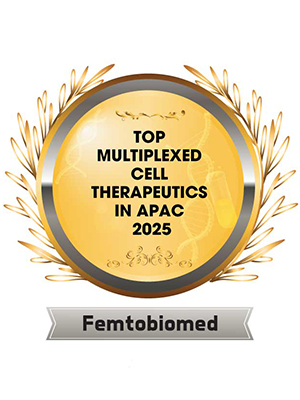
In cell and gene therapy (CGT), delivery platforms are the make-or-break variable. As the therapeutic payloads become more refined—mRNA, plasmids, or CRISPR constructs—the expectations placed on delivery systems escalate. Today’s platforms must ensure efficient transfection without compromising cell viability, scalability or regulatory compatibility. That’s where traditional electroporation and viral vectors fall short. Viral systems, though historically effective, are increasingly untenable. The manufacturing complexity, batch variability and cost structure, along with safety concerns such as random integration-related oncogenesis, have created friction between feasibility and regulatory acceptability. In addition, as gene deletion is only achievable by CRISPR and TALEN, viral systems can no longer dominate gene edition processing. Electroporation offered a potential route out, but most commercially available systems rely on static mixing in shared buffers. These legacy designs expose cells to cytotoxic environments that require multiple handling steps and generate thermal and osmotic stress that complicate downstream viability, subcellular organelle disruption and analytics. Femtobiomed introduces a fundamental architectural shift. Its Partitioned Flow Electroporation (PFEPTM), the physical engine behind the company’s CellShot platform, leverages microfluidic manipulation of cells and genetic payloads to improve the throughput and performances via thermal-damage-free electroporation but also to provide continuous in-line transfection process via wash-free upstream and downstream processes. Unlike traditional systems, where cells are bathed in a reactive buffer alongside the nucleic acid, PFEP preserves the physiological state of each component until the point of electroporation. Using bio-compatible organelle protective chemistry, CellShot Proliva further protects cells from irreversible electrical damage, causing significant reduction in post-EP proliferation. This is no longer critical post-EP damage on cells and organelles, providing multiplexed gene transfection without compromising the health of cells. It’s a multidisciplinary redesign of transfection, grounded in real-world GMP constraints and unmet needs of the multiplexed next generation gene editions. Every aspect of the platform anticipates the needs of process engineers and regulatory strategists. Its automated and closed design, paired with non-toxic Proliva buffer, minimizes the need for post-electroporation steps, delivering consistent, reproducible performance batch after batch at every site. “We didn’t design CellShot to be a marginal improvement. We designed it to meet the manufacturing and regulatory pressures CGT developers actually face,” says Dr. Sanghyun Lee, CEO. “Our mission is to elevate non-viral delivery from a research-stage curiosity to a commercial standard, something robust enough for scale and smart enough for scrutiny.”

CRO
The pharmaceutical and biological industry is navigating a new era of complexity. Driven by rapid scientific advancements, drug development is no longer limited to small molecules. Today, researchers are tackling everything from biologics and complex dosage forms to intricate drug combinations. This shift has created an unprecedented need for specialized expertise and vast resources. Additionally, developing and validating methods for drug molecules that require detection at very low concentrations adds another layer of difficulty, especially when complex matrices or interference from endogenous compounds are involved. Coordinating with multiple vendors across different drug development stages creates communication gaps and higher risks causing costs rise quickly, timelines often stretch longer than anticipated, and even minor setbacks can derail years of investment. Overcoming these challenges requires advanced instrumentation, technical precision, and a partner capable of managing every process under one roof while meeting global standards. As the first and largest pharmacokinetics and global central lab Contract Research Organization (CRO) in Indonesia and Southeast Asia, Equilab International has emerged as a trusted partner in this space and provides end-to-end service for many Sponsors. They provide seamless solution from designing the study to regulatory study approval until the development of clinical study report. The company has completed more than 1,500 studies for 400 global clients and remains a leading choice for organizations seeking a comprehensive service provider in Asia. At the core of Equilab International’s strength is its central laboratory. The company has validated over 300 molecules across a wide range of therapeutic areas, giving the sponsors confidence that even highly complex compounds can be analyzed with precision and very low detection limit. Methods are kept current with evolving regulations through regular revalidation. Ongoing equipment maintenance and continuous staff training further ensure precision and reliability in every analysis. Furthermore, as a central lab, we also have the experience to analyse the pharmacokinetic samples coming from other countries such as the Philippines and Nepal..

Biomanufacturing

In the race to develop safer, smarter, and more sustainable health solutions, one company has redefined what’s possible with chitosan. BIO21, operating from a GMP, HACCP, FDA-approved, EU-certified facility in Indonesia in partnership with PT. Fresh On Time Seafood, controls every stage from ocean harvest to molecular-level formulation. This rare vertical integration, combined with advanced R&D expertise, has made the company a trusted partner for life science innovators across Europe, North America, and Japan. Founded in 2005 and headquartered in Thailand, BIO21’s vertically integrated model is its greatest strength. From harvesting snow crab shells in deep-sea, low-pollution environments to delivering medical-grade chitosan, BIO21 controls every stage of the journey. Few suppliers can match its commitment to double raw material checks—first for seafood fit for human consumption, then again for suitability as a pharmaceutical-grade biopolymer. The company’s approach ensures every batch meets the highest safety and purity standards. But BIO21’s competitive edge goes far beyond compliance. Its research and development team specializes in engineering chitosan at the molecular level. Critical parameters such as degree of deacetylation, molecular weight, viscosity, and chitosan type (alpha or beta) are precisely tailored to meet the functional, clinical, and regulatory needs of each client. The capacity for fine-tuning is not common in the industry, and it has made BIO21 a trusted partner for high-stakes applications. One example of BIO21’s problem-solving ability can be seen in its work with a medical device company developing a next-generation hemostatic dressing. The client needed biodegradable polymer materials that could pass rigorous EU and FDA standards. BIO21 responded with a custom formulation, carefully optimizing molecular weight, viscosity, and purity to meet exact specifications. Beyond supplying the material, the company actively supported the testing process and helped streamline regulatory documentation, leading to faster approval and a smoother product launch. Treating Sustainability as a Core Design Principle The company’s innovation pipeline is equally notable in the nutraceutical space. Its L112 Biopolymer, developed through close R&D collaboration, is designed to support cardiovascular health and fat reduction. Projects like this show how BIO21 transforms raw scientific expertise into real-world, market-ready performance..
Therapeutics
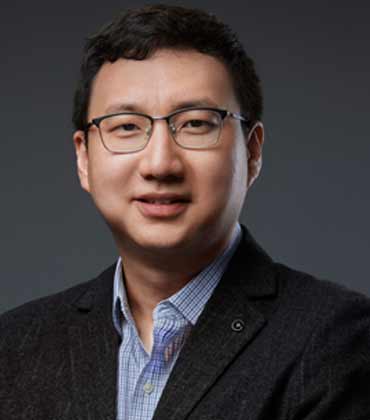
Beyond Distribution-Distributors Value in Healthcare Ecosystem
Ziteng Zhang, Senior Distribution Manager, West China (Rotation), CSL
Drug Discovery and Development
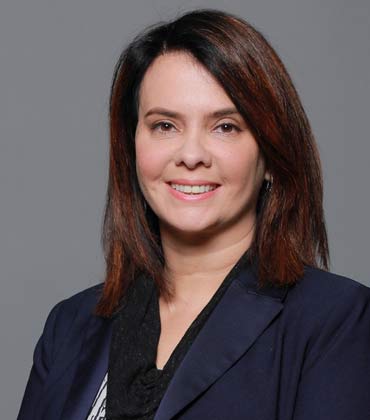
Clinical Trials Landscape in APAC and Its Unique Characteristics and Opportunities
Marcia Matos, APAC Clinical Operations Hub Director, SERVIER
Drug Discovery and Development

The simple things in life are still the best, even in clinical development
Ken Lee, General Manager and Region Head, Clinical Development, Asia Pacific, Syneos Health
Drug Discovery and Development

Emphasizing the Importance of Assuring Product Quality
Raymond R. Tjandrawinata, Director of Business Development and Scientific Affairs, Dexa Medica
Therapeutics

Solving The Complexities Of Telehealth Processes For Healthcare Workers
Natalie Yang, Senior Medical Staff Association Chair, Austin Health

IN MY OPINION
Therapeutics
Evolving Digital Biomarkers in Clinical Trial Space
Kazuto Yamada, Senior Director, Head of Clinical Development Planning and Supervising Five R&D Functions, Otsuka Pharmaceutical

LAST WORD
Therapeutics
I Chose a Career in Clinical Research
Christina M. Brennan, MD, MBA, Senior Vice President, Clinical Research, Northwell Health
IN FOCUS
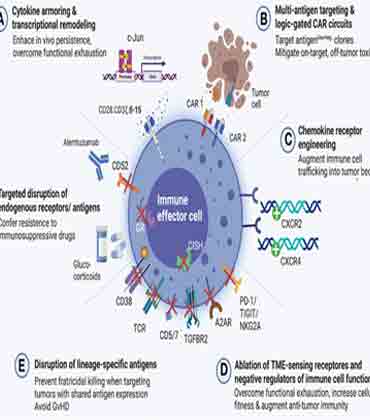
Multiplexed Cell Therapeutics Engineering Precision and Potency in APAC
The rise of cell therapies—particularly multiplexed cell therapeutics- involves engineering therapeutic cells to perform various functions concurrently, Top companies in therapeutics offer the potential for more effective, durable.
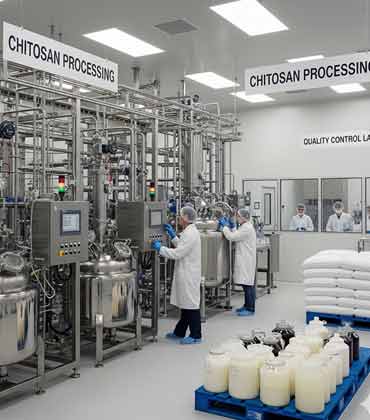
Chitosan's Expanding Frontier: From Smart Wound Care to Cancer Nanocarriers
Chitosan is revolutionizing biomedical applications in the Asia-Pacific, enhancing wound care, drug delivery, tissue engineering, and cancer therapy through innovative research and development.
EDITORIAL
Accelerating Access to the Next Generation of Treatments
Multiplexed cell therapeutics are redefining treatment possibilities by enabling highly targeted and customizable approaches to complex diseases such as cancer and rare genetic disorders. Chitosan-based innovations are also gaining traction as versatile biomaterials that support drug delivery and regenerative applications, improving safety profiles and therapeutic performance.
At the same time, pharmacokinetics CRO services are becoming indispensable for guiding drug candidates through the critical stages of absorption, metabolism and overall performance. Together, these advanced solutions and services are ensuring that promising therapies reach patients as efficiently and reliably as possible.
This edition of Life Sciences Review APAC, explores the rise of multiplexed cell therapeutics, advances in chitosan-based biomaterials and the growing importance of pharmacokinetics CRO services in shaping the future of healthcare.
It features thought leadership articles from industry experts, including Marcia Matos, APAC clinical operations hub director, department of clinical development R&D at Servier. She discusses the complexities and opportunities of conducting clinical trials in the AsiaPacific region.
Ken Lee, general manager and region head of clinical development, Asia Pacific at Syneos Health emphasizes that culture, interpersonal skills and proactive problem-solving remain critical for success in clinical trials.
The edition also features Femtobiomed, a pioneer in non-viral cell engineering, whose PFEP™ platform delivers safer, scalable and regulatory-ready solutions for advancing cell and gene therapies.
We hope this edition provides fresh insights into the innovations, strategies and partnerships shaping the future of life sciences and accelerating the delivery of advanced therapies to patients worldwide.
