

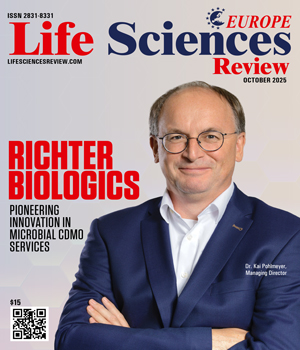
Founded in 1987 and headquartered in Hamburg, Germany, Richter BioLogics (RB) has established itself as a leader in the microbial Contract Development and Manufacturing Organisation (CDMO) space. The company has honed a distinctive expertise in the production of biologics through microbial systems, offering a specialised approach to biopharmaceutical developers worldwide. At the core of Richter’s success is its ability to provide tailored, scalable solutions that meet the needs of its clients, while maintaining the highest regulatory standards. This combination of flexibility, extensive industry knowledge, and strong regulatory compliance enables Richter to build lasting partnerships with biopharma companies at all stages of development. Its microbial manufacturing model has proven essential in meeting the needs of clients seeking to transition from clinical to commercial manufacturing with minimal disruption. By implementing controlled, harmonised processes across its global sites, the company ensures a seamless tech transfer and maximises yields while maintaining audit-ready processes throughout. Dr. Kai Pohlmeyer, managing director of RB, says, “We guide our clients through every phase of development, ensuring they meet critical milestones efficiently without compromising on quality.” The company's expertise in microbial expression systems, such as E. coli and P. pastoris, has positioned it as a preferred partner for the production of biologics that are well-suited for microbial systems. RB leverages these systems for their cost-effectiveness, robustness, rapid growth, and high yield, particularly when mammalian systems would be less viable due to cost or speed concerns. The company has continuously enhanced its offerings by integrating cutting-edge technologies, including cell-free protein synthesis (CFPS) and the Corynex system, a gram-positive bacterial system that expands its microbial capabilities. This deep-rooted expertise in microbial manufacturing enables RB to serve as a trusted partner for late-stage and commercial products. Through its rigorous approach to process development, analytical development, and GMP-compliant commercial manufacturing, the company consistently delivers high-quality results. The team's proactive engagement and strong communication ensure that clients remain informed and involved throughout the entire process. A recent example of this collaborative approach is RB's success in helping a client meet an aggressive timeline for producing a Nanobody product. The company implemented an innovative, efficient platform that delivered GMP-compliant products for clinical trials within just six months from the initial cell bank production. This achievement demonstrates RB's ability to execute complex projects with speed, precision, and a commitment to maintaining the highest standards of quality and compliance.
Life Science Consulting
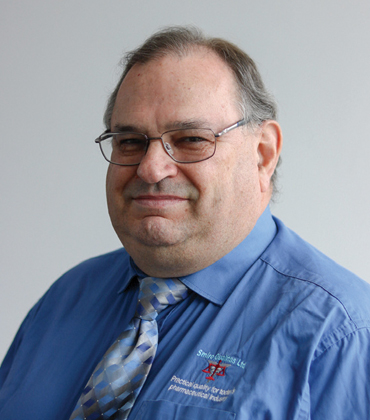
Pharmaceutical consultancy demands more than procedural know-how; it sits at the intersection of strict regulations, tight timelines, and evolving market needs. While many firms focus on individual tasks such as certification, packaging, and documentation, real preparedness requires a holistic view. You need to see how each element interacts, know which questions to ask before problems surface, and recognize risks that standard processes overlook. In practice, even a routine request for QP certification or packaging support can expose hidden dependencies, including supply chain quirks, cross-functional handoffs, or regional regulatory nuances. These are not one-off glitches but recurring themes across the industry. Teams often engage consultants with narrow scopes and then discover critical risks when it is too late and options are limited. Worse still, once the immediate objective is met, that guidance often disappears, leaving internal teams to navigate ongoing challenges alone. That gap between isolated tasks and sustained support is exactly what Smiro Qualitas fills. Rather than delivering isolated services, the company works as a strategic partner. It helps clients identify hidden risks, align operational decisions with regulatory expectations, and stay fully prepared through each stage of execution. “We don’t just respond to a brief and walk away. We look at the bigger picture, challenge assumptions, and stay involved until the plan actually works on the ground,” says Robert Smith, owner and director. Asking the Right Questions Early Smiro Qualitas supports clients across the product lifecycle, but its value is most evident at pressure points like clinical trial setup, batch release planning, and cross-border regulatory navigation. For many teams, especially outside the UK or EU, the issue isn’t technical skill—it’s knowing what questions to ask, and when. US-based companies often expect the QP to simply sign off, only to learn the QP is directly accountable to regulators and patients, and must flag missing details or risks. Without early clarity, this shift from US-FDA norms can lead to costly mistakes..
CDMO
Bringing a new drug to market is no small feat. The process can be overwhelming between complex regulations, patient recruitment hurdles, and the pressure to deliver results on time and within budget. Enter Caidya, a global clinical research organization (CRO) that assists these companies in navigating such challenges efficiently. With a deep understanding of what it takes to transition from clinical trials to real-world impact, its expertise spans multiple therapeutic areas. This ensures that life-changing treatments reach patients faster without compromising quality or compliance. Caidya takes a flexible, customized approach, recognizing that no two trials are alike. Instead of a one-sizefits-all model, which often leads to inefficiencies, it develops tailored solutions to meet each sponsor’s specific needs. This includes optimizing trial design, streamlining recruitment, and navigating regulatory approvals. Focused on efficiency, Caidya helps companies reach milestones while upholding the highest scientific and ethical standards. With a global presence, it facilitates multinational studies and manages regulatory complexities across regions, keeping trials on track and confidently advancing innovative therapies. One of Caidya’s strengths is tackling some of the most challenging therapeutic areas. In oncology, it supports cutting-edge research that paves the way for next-generation cancer treatments. Specialized expertise is needed to ensure success in rare diseases, where patient populations are small and regulatory pathways can be tricky. Its work extends into neurology, immunology, metabolic disorders and infectious diseases, demonstrating Caidya’s broad capabilities and commitment to advancing medicine. Clinical trials generate massive amounts of data, but making sense of it all is key to success. Caidya leverages advanced analytics and technologydriven platforms to improve trial design, patient recruitment and site selection. Its data-driven approach minimizes risks, enhances efficiency and helps sponsors make informed decisions faster. Real-world evidence (RWE) plays a critical role in regulatory approvals, and Caidya’s expertise in this area ensures that clients are well-positioned to navigate complex approval processes. Its team helps reduce delays and improve trial outcomes by integrating smart data management tools. .
CDMO

Intricacies of Precision Medicine
Andrew Garrett, PhD, Executive Vice President, Scientific Operations, ICON Plc
Supplements

How CMOs/CDMOs can Add Value for Pharma Companies
Ozgur Akbulut, Director - Global Divestments and Contract Manufacturing Lead, Takeda
CDMO
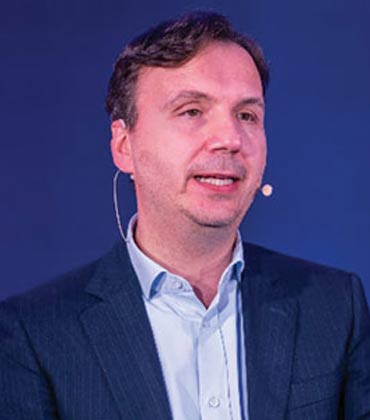
Evolution of the Contract Development and Manufacturing Industry in the Last Years
Massimiliano Brescia, Senior Global Director - Contract Manufacturing - OSD, API & Fermentation, AbbVie
CDMO
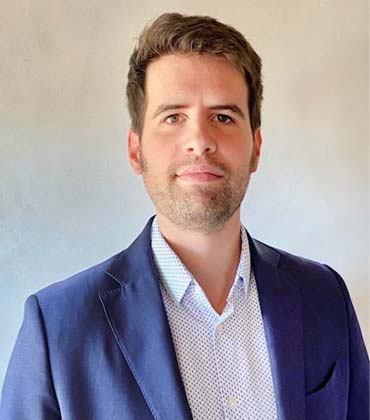
New Product Liability Directive in Europe: Implications for the Pharmaceutical Industry
Xavier Salas, Head of Legal, Compliance and GRC, Neuraxpharm
CDMO

Transforming Healthcare with Cell and Gene Therapy
Stefano Baila, Managing Director, Support Biologics, Eurofins
CDMO

Navigating the Complexity of Compliance Review of UK/EU Product Communications for Rare Diseases
Marcelo Vaz, Vice President, Medical Services, TMC Pharma Services Ltd
CDMO

Political Continuity Offers Little Clarity For Health Innovation
Rudiger Schulze, Vice President and General Manager, DACH, Ultragenyx
Life Science Facility Service

Embedding Quality Where Science Meets Global Regulation
Dr. Tomaz Vaupotic, Senior Director, Head of Clinical & Medical Quality, Alvotech
CDMO
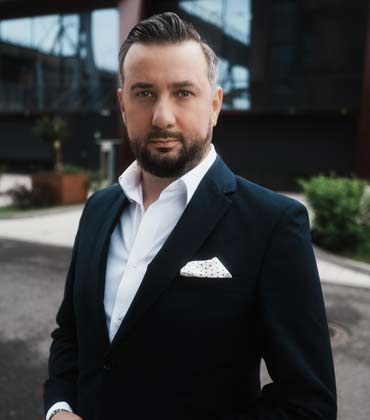
Developing Generics with Purpose: Where Pharmaceutics, Regulation and Patient needs Intersect
Rafal Lunio, R&D Director, Qualified Person (QP), Polfa Tarchomin S.A
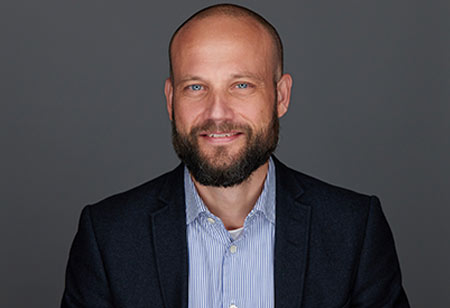
IN MY OPINION
Clinical Trial Management
Real-World Evidence Empowering Patient-Focused Medical Affairs
Jesper Lekdorf, VP Global Medical Affairs, Novo Nordisk [CPH: NOVO-B]

LAST WORD
Women's Health
Will AI affect my jobs and the CRO business?
Stefano Ferrara, Director, Clinical Science, BeiGene
IN FOCUS

Navigating Growth in EU Pharma Consulting
The European pharmaceutical industry is rapidly evolving, driving an increase in demand for specialised consultancy services to navigate regulatory complexities, enhance operational efficiency, and support innovation in drug development.

Redefining CDMO Roles in European Biopharma
European life sciences are evolving, with CDMOs transforming from basic manufacturers to strategic partners, offering integrated services that enhance drug development and manufacturing efficiency.
EDITORIAL
The New DNA of Life Sciences Collaboration Speed and Scale
Biopharmaceutical CDMOs have moved from simple capacity providers to strategic engines of growth. They now offer end-to-end solutions, supporting early development, scale-up, and commercial supply. As biologics, advanced therapies, and highly potent molecules reshape pipelines, CDMOs provide infrastructure and expertise few companies can maintain in-house. Their role is strengthened by manufacturing site divestments, allowing them to absorb mature products, optimize operations, and expand capabilities. In a landscape defined by speed and cost pressures, CDMOs are no longer optional—they are essential partners.
Pharmaceutical consultancies, in contrast, focus on clarity and foresight. Global regulations are increasingly fragmented and dynamic. Consultancies help companies bridge this gap by designing strategies that anticipate compliance, communications, and commercialization challenges. Their role is particularly valuable in rare disease markets, where patient access, advocacy, and regulatory scrutiny must be balanced with precision.
Multi-therapeutic CROs provide the third layer of support. Their remit now stretches beyond trial execution into integration across oncology, neurology, immunology, and more. By centralizing expertise across therapeutic areas, they reduce inefficiencies, shorten development timelines, and ensure knowledge transfer across programs. They make it possible for emerging biotechs to extend reach without losing focus.
Industry leaders like Ozgur Akbulut emphasize how CDMOs must embrace operational excellence and continuous improvement to remain credible partners. Similarly, Marcelo Vaz underscores the importance of structured compliance strategies in rare disease markets, showing how consultancies safeguard patient trust and market access.
In this roundup, we spotlight life sciences as an industry of scale, foresight, and collaboration. The opportunity lies in creating models that deliver therapies faster while elevating frameworks that make healthcare globally accessible.
