


Novo Nordisk [CPH: NOVO-B]
Real-World Evidence Empowering Patient-Focused Medical Affairs
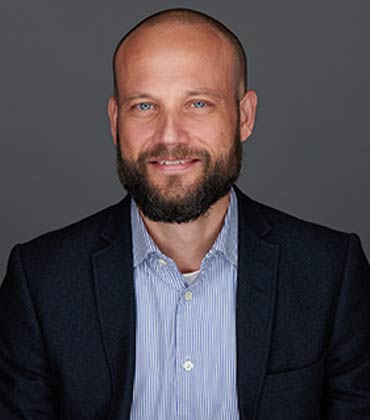
Jesper Lekdorf
Jesper Lekdorf is Vice President of Global Medical Affairs at Novo Nordisk, leading the real-world evidence strategy to drive scientific engagement and improve patient outcomes. A trained physician from the University of Copenhagen, Lekdorf has over 15 years of international experience across clinical practice, medical affairs and commercial leadership. He has held senior roles in Denmark, Australia and Japan, leading large medical teams and successfully launching innovative therapies for diabetes, obesity, cardiovascular disease, rare conditions and cell therapy. His career blends scientific expertise with strategic leadership across global markets.
Through this article, Lekdorf highlights how realworld evidence and patient-centred insights guide regulatory decisions, market access strategies and the design of smaller, more targeted clinical trials that focus on the populations most relevant to specific medicines.
Data Abundance Powers Real-World Insights
I’ve witnessed a fundamental shift in understanding medicine’s impact, driven by three converging forces that have reshaped my thinking about evidence.
Technology laid the groundwork first. Electronic health records, wearables and connected devices began generating health data at unprecedented volumes. What struck me was how artificial intelligence and machine learning suddenly made this tsunami of information manageable, transforming raw data into actionable insights about patient outcomes.
Then COVID-19 changed everything. I watched regulators discover that real-world data could accelerate vaccine approvals without compromising safety. This pandemic moment proved that evidence from everyday practice could complement traditional trials in ways we hadn’t fully appreciated before.
The most significant change I’ve observed involves payers. Government health systems, national insurance schemes and private insurers demand proof beyond controlled trial environments. They want evidence of genuine impact in messy, real-world settings where patients actually live and receive care.
What excites me most is how these developments reveal the complete patient story. We’re no longer limited to the narrow windows that clinical trials provide. Instead, we can trace the whole journey of how treatments perform across diverse populations and varied circumstances.
This evolution represents our move towards truly patient-centred healthcare, where pharmaceutical strategies align with actual patient experiences rather than idealised trial conditions.
Bridging the Gap Between Clinical Measures and Patient Experience
I’ve observed a profound shift in how we understand what truly matters to patients living with conditions like diabetes.
Medical Affairs concentrated on healthcare professionals for years, communicating clinical endpoints like HbA1c reduction and cardiovascular benefits. With insulin innovations, conversations are centred on duration of action or glucose variability. These measures matter enormously for preventing complications, but I’ve realised they don’t capture the whole patient experience.
Where direct patient communication remains restricted, we can still adopt patient-centric approaches that complement our established relationships with healthcare professionals.
Real-world evidence has opened my eyes to aspects of treatment that clinical trials rarely explore. Take what researchers call “food noise” in obesity care - the persistent, intrusive thoughts about food that influence daily decisions and mental well-being. Traditional clinical discussions focus on weight loss or side effects, yet this psychological burden profoundly affects how patients experience their condition and treatment.
I’ve seen how patient-reported outcomes tried to bridge this gap, but the data remained limited and superficial. Real-world evidence now provides granular insights into how patients feel and manage their medicines daily.
What strikes me most is how this evidence reveals the disconnect between clinical success and patient satisfaction. A treatment might achieve excellent HbA1c control whilst leaving patients struggling with aspects we never measured.
We’re moving towards a future where patient-centred outcomes drive medical conversations, not just clinical endpoints. This shift fundamentally changes how we evaluate treatment success.
Driving Patient Centricity Through Evidence and Learning
I’ve witnessed Medical Affairs transform from a function primarily focused on sharing scientific knowledge with healthcare professionals and payers into something more dynamic and patient-centred.
Real-world evidence has fundamentally changed my understanding of how we generate actionable insights. I’ve seen how granular real-world data now guides regulatory approvals and market access decisions, providing evidence that regulators, payers and clinical teams actually use in practice.
What excites me most is how this evidence reshapes clinical trial design. I’ve observed how we can now create smaller, more targeted studies on populations most relevant to specific medicines. This makes clinical development more efficient and aligned with regulatory requirements and patient needs.
I’ve also noticed an emerging opportunity to broaden Medical Affairs beyond traditional scientific community engagement. Where direct patient communication remains restricted, we can still adopt patient-centric approaches that complement our established relationships with healthcare professionals.
The technological revolution I’ve experienced has been remarkable. Artificial intelligence and machine learning advances now allow us to analyse complex datasets at unprecedented scale. Collaborations with technology and data companies create insights that benefit physicians and patients in ways I couldn’t have imagined years ago.
I believe two principles will determine success in this evolving landscape. Continuous learning remains essential because healthcare innovation moves at a breathtaking speed. Equally important is maintaining a purpose-driven mindset, where every action ultimately serves patients and improves their outcomes.
