

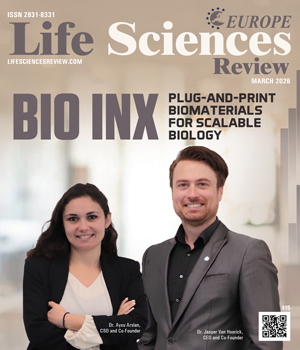
Cell and regenerative therapies are moving fast, but biomaterials are quietly holding them back. Across labs and companies, researchers often work with the same material, yet achieve wildly different results. Minor changes in raw materials, formulation, or handling introduce variability that undermines reproducibility and fuels costly trial and error. Teams spend months re-optimizing what should already work, only to discover that promising data cannot translate because research-grade materials aren’t clinically transferable. Add to that fragmented printing technologies and inconsistent quality control, and biomaterials become a risk rather than an enabler. In a field where speed, scale, and regulatory readiness matter, this hidden bottleneck is no longer acceptable. Founded by biomaterials scientists who saw firsthand how variability derails otherwise promising research, BIO INX set out to make biomaterials predictable, reproducible, and ready for translation. It replaces ad hoc, lab-made formulations with standardized, plug-andprint bioinks and resins designed to perform consistently across batches, platforms, and geographies, with materials integrated into printing software so parameters are set from the start. By integrating strict quality control, upstream raw material consistency, and compatibility across printing technologies, the company turns biomaterials from a source of risk into a stable foundation. This allows researchers to move faster, scale with confidence, and focus on getting therapies out of the lab and closer to the clinic. “What customers value most is the ease of use. They don’t have to mix, optimize, or troubleshoot. Within ten minutes, they’re ready to print,” says Dr. Jasper Van Hoorick, CEO and Co-Founder. This standardization spans the entire materials pipeline. Every BIO INX product is built with strict quality control at each production step, from polymer modification and formulation through final batch release. Each batch undergoes physical and chemical characterization alongside printing validation to ensure it performs within specification. When issues arise, quality systems are updated so they do not recur. The result is consistency that holds over time, across users, and across geographies.
Life Science Consulting
GMP Bridge supports biopharma organizations at moments when regulatory expectations intensify and operational certainty begins to erode. Engagements often begin ahead of inspections, during remediation programs or when growing complexity exposes gaps between documented procedures and daily execution. Rather than treating these situations as compliance exercises, the firm focuses on restoring clarity and control across GMP operations so teams can move forward with confidence. From its earliest engagements, GMP Bridge identified a recurring challenge across client environments. GMP requirements are well established, but applying them consistently across functions, sites and timelines often proves difficult under pressure. Documentation may exist without guiding real behavior, escalation pathways may be unclear and leadership teams can struggle to maintain decision-making confidence when timelines compress. “Our work is about helping teams regain confidence in how they operate,” says Felipe Fontanet, managing director. “When quality systems are practical and understood, organizations are better prepared to respond to inspections and sustain compliance over time.” Orchestrating Expertise Where It Matters Most At the core of GMP Bridge’s model is precision deployment. Rather than assigning fixed teams, the firm assembles engagement-specific expertise based on the risks at hand. Depending on the situation, this may involve bringing in sterility specialists for aseptic operations, utilities veterans to resolve facility interface challenges, CSV experts to stabilize validation gaps or Qualified Persons to support release decision clarity..

Life Science Consulting
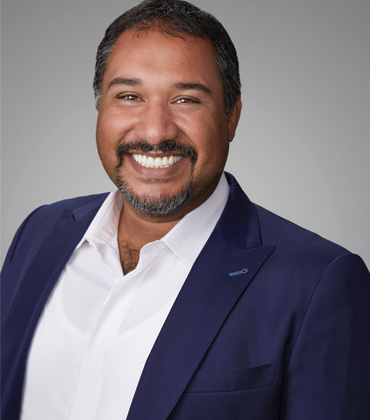
Independent pharmacies across the U.S. are running into a wall with the Drug Chain Secuirty Act (DSCSA). The law now brings wholesalers fully into scope and changes how pharmacies must electronically receive and reconcile serialized shipments. Each unit carries a unique serial identifier, supported by interoperable digital transaction data that trace its path from manufacturer to pharmacy shelf. It is good for safety but hard on small teams. Chain pharmacies manage this transition with scale. They have integrated systems, a dedicated compliance staff, and a budget to maintain scanners, portals, and data storage. However, independent owners do not have that leverage since they are the pharmacist, the buyer, and the IT support all in one. A single mismatched data reconciliation can stop a shipment from being received. Incomplete or mismatched data files trigger exceptions that take time to fix. And since verification tools are still evolving, pedigree checks often add more delays than answers. What independent pharmacies need is simple. They need products that arrive already validated and easy to confirm. They also need a distributor that sources what big systems overlook, such as niche strengths and specialty generics that matter in real clinics. That kind of support does more than fix logistics. It keeps the personal side of pharmacy alive, where care is local, names are remembered, and patients are more than profiles. That is the belief that drives True Marker Pharmaceuticals. The company is a national wholesaler built around the realities of independent pharmacies. It treats compliance as part of daily work, not an added burden. Each shipment is processed in accordance with DSCSA serialization and verification requirements, so by the time it reaches the counter, pharmacists can stay focused on what matters most—the people they serve. “Independent pharmacies shouldn’t have to choose between meeting DSCSA requirements and serving their patients. We have built our distribution systems so that compliance happens quietly in the background, allowing pharmacists to keep doing what they do best while we handle the rest,” says Davin Deb, CEO..
Therapeutics
Stem cell storage at birth is a once-in-a-lifetime decision. Parents want the confidence that their child’s cells will remain clinically viable if ever needed. That trust depends on more than storage—it relies on medical experience, transparent operations, full licensing, and a proven record of therapeutic use. With more than 25 years of continuous operation and its oldest German facility, Vita34, nearing 30 years, FamiCord is Europe’s largest family stem cell banking group and the only publicly listed company in this field. It gives families assurance through transparency and long-term realibility, confirming FamiCord as the best choice in Europe for stem cell banking. The company offers a complete system that guides parents from collection to processing, long-term preservation, and eventual release of cord blood and perinatal tissue for treatment. Each step is anaged under strict medical and regulatory standards to ensure cells retain therapeutic potential, with a documented chain of custody, validated cold-chain transport, and laboratory checks for viability and sterility. This matters because gobally, hematopoietic stem cells from cord blood have been used in more than 60,000 transplants across 80 diseases, and 158 ongoing clinical trials continue to refine indications and delivery. Regenerative medicine is rapidly opening new uses for cord blood and cord tissue. Beyond hematology, cord blood contains immuno- and neuroactive cell subsets under study for autism, cerebral palsy, neurodegeneration, autoimmune and cardiovascular conditions, with 140 active clinical trials worldwide. “We are not simply a bank of stem cells. A bank only stores the material, but it is really about whether you ever can deploy the stem cells for a transplant or therapy. We are glad we have that experience,” says Tomasz Baran, MD, Chief Medical Officer. Strength Through Structure and Innovation FamiCord operates under licensed medical service frameworks across major European markets, ensuring full national regulatory compliance and external oversight. About half of its 15 laboratories hold AABB accreditation, one of two international standards for cord blood standards in banking. As EBMT member, FamiCord aligns with Europe’s bone marrow transplant and cell therapies community. Scale, application experience, and transparency are core strengths. As Europe’s only publicly listed stem cell bank, FamiCord provides families and partners with full transparency into its financial stability—aligned with the long-term horizons of stem cell preservation. In 2024 FamiCord expanded beyond Europe, opening its first lab in Dubai-quickly earning AABB accreditation, applying standards established in European operations. Regional names such as Smart Cells (UK and Dubai) and Vita 34 (DACH region) now operate under the FamiCord umbrella, helping clinicians and parents recognize that a single, regulated organization stands behind the service..
Cell and Gene Therapy Companies

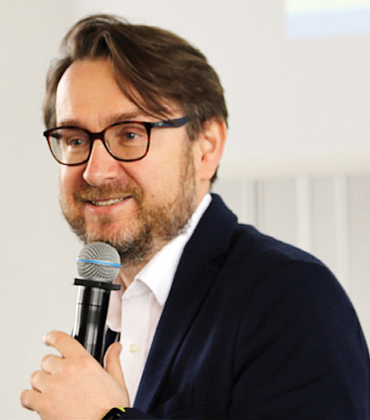
The Tipping Point for Scalable Manufacturing Processes to Pivot Gene Therapies
Dr Linda Randall, AVP Biologics Development, Manufacturing & Control, Pharmaron
Life Science AI

Advancing Excellence in Clinical Programming Solutions
Stephen Apps, Senior Director, Global Head of Clinical Programming, Allucent
Drug Discovery and Development
Navigating Through Drug Discovery and Development
Stefano Biondi, VP of Pre-Clinical, Recordati S.p.A [BIT: REC]
Women's Health

Holistic Compliance in Healthcare Organizations
Zina Safer, Chief Legal & Sustainability Officer, Uriach
Life Science Consulting

Is it time to add access to the C-Suite?
Ulf Staginnus, VP international Market Access & Pricing, Blueprint Medicines Sunjeet Sawhney, Chief Executive Officer, Rappta-Therapeutics, London

IN MY OPINION
Therapeutics
Advancing Cell and Gene Therapies with Purpose and Precision
Tine Vander Sype, Senior Manager of Cell, Gene & Advanced Therapies, EMEA, Thermo Fisher Scientific
LAST WORD
Bioinformatics
How We're Leveraging New Technological Advancements By Building A Cell & Gene Therapy Business Unit Within an Established Pharmaceutical Company
Marianthi Psacha, Head of HR - EMEA, Asia & Medical Technology Solutions, Santen
IN FOCUS

The Evolving Commercial Landscape of GMP Consulting in Europe
Biopharma GMP consulting is shifting toward disciplined, relationship-driven engagement, prioritising regulatory resilience, continuity, and quiet value creation across global markets.

Strengthening Healthcare Ecosystems: The Strategic Role of Biomaterials in Europe
Biomaterials development companies drive innovation, strengthen healthcare systems, and enable sustainable, patient-focused medical advancements across Europe’s evolving healthcare ecosystem.
EDITORIAL
Building Operational Confidence in Advanced Life Sciences
Recognised as Top Biomaterials Development Company in Europe 2026, BIO INX addresses one of the field’s least visible bottlenecks, material inconsistency. As detailed in its profile, the company replaces ad hoc bioink preparation with standardised, plug-and-print biomaterials engineered for reproducibility across batches, platforms and geographies. Its model integrates upstream raw material control, batch-level physical and chemical characterisation and printing validation, while aligning development with GMP-compatible pathways from the outset.
Similarly, Top Biopharma GMP Consulting Service in Europe 2026, GMP Bridge, strengthens operational readiness at moments of regulatory pressure. As outlined in its feature, the firm deploys engagement-specific expertise to close gaps between documented procedures and real-world execution. From QMS design and remediation to sterility risk management in autologous cell therapy environments, GMP Bridge emphasises governance clarity, defined escalation pathways and confident decisionmaking under scrutiny. Its repeat-client rate exceeding 90 percent reflects a focus on sustained capability rather than reactive correction.
In this issue’s CXO perspectives, Tine Vander Sype, Senior Manager of Cell, Gene and Advanced Therapies, EMEA at Thermo Fisher Scientific, highlights supply chain resilience, regulatory integration and automation as enablers of scalable therapy development. Complementing this view, Zina Safer, Chief Legal & Sustainability Officer at Uriach, highlights the importance of structured governance models, training, monitoring and balanced regulatory frameworks to achieve holistic compliance.
Together, these insights reinforce a clear message. Disciplined execution across materials, manufacturing and governance defines the next phase of life sciences progress. We invite you to explore the full features and engage with the operational strategies shaping Europe’s advanced therapy landscape.
