CLOSE

Specials

I agree We use cookies on this website to enhance your user experience. By clicking any link on this page you are giving your consent for us to set cookies. More info

Skip to: Curated Story Group 1
Life Sciences Review
US
EUROPE
APAC
CANADA

About Us

Conference

Partner With Us

  • US
    • EUROPE
    • APAC
    • CANADA
    • LATAM
  • Drug Discovery
    Antibodies
    BioTech
    Cell and Gene Therapy
    Clinical Trial
    Drug Discovery and Development
    Life Science AI
    Regenerative Medicine
    Therapeutics
  • Biomanufacturing
    Biomanufacturing
    Bioprocessing
    Blood Bank
    CDMO
    Clinical Laboratory
    CRO
    Life Science Testing
    Skin Care
    Supplements
  • Business Services
    Life Science Consulting
    Life Science Facility Service
    Life Science Financial Services
    Life Science Marketing
    Life Science Recruitment Firms
    Pharma Wholesale and Distribution
    Pharmacy Management
    Regulatory and Compliance
    Regulatory Services
  • Leadership Perspectives
  • Innovation Insights
  • Research
  • News
  • Magazines
  • CXO Awards
×
#

Life Science Review Weekly Brief

Be first to read the latest tech news, Industry Leader's Insights, and CIO interviews of medium and large enterprises exclusively from Life Science Review

Subscribe

loading

Thank you for Subscribing to Life Science Review Weekly Brief

CDMO Europe

Biopharmaceutical CDMO Manufacturers in Europe

Biopharmaceutical CDMO manufacturers provide outsourced development and manufacturing support for complex biologic medicines. With a focus on process control, quality systems, scale-up readiness and regulatory alignment, they support reliable production and stronger biopharma commercialization.

Solutions
Richter BioLogics: Development, Manufacturing, and Continuity
Richter BioLogics
Development, Manufacturing, and Continuity
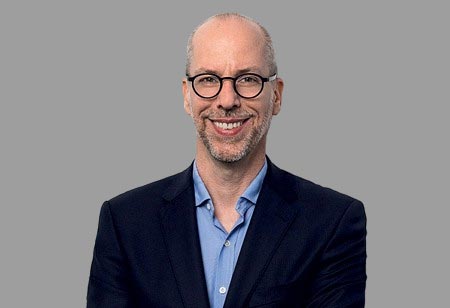
Thilo Kamphausen, Head of Business Development
As biologics programs move closer to commercialization, timelines tighten and expectations for quality, regulatory readiness and scalability increase. Decisions made during development increasingly shape manufacturing performance, technology transfer and commercial readiness, making execution risk just as important as scientific progress.
Read more
State of Industry

Innovative Horizons: European CDMOs Transforming Biopharmaceutical Production

Europe’s biopharmaceutical sector continues to demonstrate steady progress as innovation, regulatory alignment, and investment converge to support advanced manufacturing capabilities. Within this evolving landscape, contract development and manufacturing organisations play a central role in enabling pharmaceutical companies to bring complex therapies to market efficiently. These organisations provide integrated services that range from early-stage development to large-scale commercial production, supporting a wide range of biologics, including monoclonal antibodies, vaccines, and cell-based therapies.

Read more
Deep Dive

Choosing Microbial CDMO without Losing Process Control

Commercial biologics programs rarely stall because a sponsor failed to reserve manufacturing capacity. Delays are more likely to appear when fermentation assumptions, purification readiness, assay design and batch documentation fall out of sync. Microbial manufacturing is particularly sensitive at this stage. A process that performs well during development can quickly lose momentum if harvest conditions are not fully understood or impurity clearance has not been aligned with the characteristics of the molecule. For executives evaluating a CDMO, manufacturing capacity is important, but maintaining process continuity is even more critical.

Read more
Leadership Perspective
Elevating CDMO Performance with Strategic Alignment
Alkermes [NASDAQ: ALKS]
Elevating CDMO Performance with Strategic Alignment
Stephen Sheehan, Director of External Development and Manufacturing

Stephan Sheehan, director of external development at Alkermes, has built a career defined by innovation, adaptability and a relentless drive for excellence. With a Chemical Engineering degree from University College Dublin, he began his journey at Intel, where he mastered Six Sigma, root cause analysis and statistical process control. Sheehan then transitioned to Millipore, where he spearheaded the transfer of seven medical device production lines and optimised modelled membrane manufacturing processes, earning a Six Sigma Greenbelt. Since joining Alkermes in 2014, Sheehan has driven transformative change in pharmaceutical manufacturing. From pioneering the development of complex drug delivery candidates to managing CDMO partnerships for both small—and large-molecule projects, he has been instrumental in shaping Alkermes strategy and operations. His ability to navigate complex challenges and drive results positions him as a key figure in pharmaceutical innovation, shaping the future of the industry.

Read more
Biopharmaceutical CDMO Manufacturers in Europe News

European Biopharmaceutical CDMOs Add Capacity as Drug Developers Revisit Manufacturing Decisions

Wednesday, August 12, 2026

Moving a biopharmaceutical product from early development into commercial production involves more than finding available manufacturing space. Drug developers must decide whether a CDMO has the technical experience, production capabilities and process understanding needed to support a product as it moves through different stages. European CDMO manufacturers have become a larger part of this conversation as pharmaceutical companies continue to rely on external partners for biologics production. The growing complexity of biologic medicines has increased demand for facilities that can manage specialized processes while maintaining consistent quality requirements. Biologics manufacturing requires close control at every stage of production. Processes involving proteins, antibodies, vaccines or other biological materials depend on careful management of cell lines, fermentation conditions, purification methods and analytical testing. Even small changes during manufacturing can affect product consistency and regulatory acceptance. This has shifted attention toward CDMOs that can contribute earlier in the development process. Pharmaceutical companies are looking beyond manufacturers that simply receive a completed process and begin production. They are evaluating whether a CDMO can provide technical input during process development and help prepare a product for later manufacturing stages. For European manufacturers, expanding capacity is becoming closely linked to building technical depth. Adding production space may increase output, but it does not fully address the needs of companies developing complex therapies. Facilities must also support process transfers, scale-up work and the detailed documentation required for regulated manufacturing. The relationship between pharmaceutical companies and CDMOs is changing as a result. Outsourcing decisions are no longer based only on production cost or available capacity. Drug developers are also considering how effectively a manufacturing partner can support the movement from laboratory development to clinical supply production and eventually larger-scale manufacturing. Many European CDMOs are expanding their capabilities across different areas of biologics production. These may include microbial processes, mammalian systems and specialized manufacturing approaches used for newer therapies. Broader capabilities can reduce the number of manufacturing transitions a pharmaceutical company must manage during development. Location is also important for drug makers. Companies that work in markets need manufacturing partners that know the rules in different areas and can keep production methods the same. These partners must understand what regulators expect in each region. They have to make sure that production practices are consistent everywhere. Global drug developers consider location carefully when choosing manufacturing partners. At the same time, expanding CDMO capacity comes with its own challenges. Building facilities, adding equipment and developing specialized technical teams require significant investment. Manufacturers must make these decisions carefully because demand for specific production capacity can change over time. For companies, choosing a European CDMO is more about finding the right manufacturing partner than just getting production space. Things like handling processes, managing tech transfers and clear team communication are key when deciding to outsource. Experience with manufacturing processes really matters. The ability to manage technology transfers smoothly is also crucial. Good communication between teams is essential for outsourcing. Pharmaceutical companies want a European CDMO that can handle processes. They need someone who can manage technology transfers effectively. Clear communication is vital for a partnership. A European CDMO with experience in processes is a good fit. They should be able to manage tech transfers and communicate clearly. The future of the European CDMO market will depend on how effectively manufacturers balance capacity growth with technical expertise. Production space will remain important, but pharmaceutical developers will continue to look closely at whether partners can support the scientific and regulatory requirements involved in bringing advanced biologic products to market.
Read more

Pharmaceutical Companies Look Beyond Capacity When Choosing European CDMO Partners

Wednesday, August 12, 2026

A manufacturing delay can create setbacks that extend beyond the production timeline. For companies developing biologic medicines, problems during technology transfer or unexpected process issues can affect clinical supply schedules and add pressure to development budgets. These concerns are changing how pharmaceutical companies evaluate external manufacturing partners. European CDMOs are increasingly being judged on more than their ability to produce drug material. Pharmaceutical companies are looking closely at how these manufacturers support development activities, communicate technical information and handle the complexity of biologics production. Capacity and production cost have traditionally been major factors in outsourcing decisions. They remain important, but they do not provide the full picture. A CDMO may have available manufacturing space, yet still struggle if its teams do not have the experience needed to manage a specific process or product requirement. Technology transfer has become one of the most closely examined stages of a CDMO relationship. Moving a manufacturing process from a pharmaceutical company’s laboratory or another production site requires detailed coordination around methods, equipment requirements and quality documentation. This is where many European CDMOs are being asked to play a larger role. Their involvement often starts before commercial production begins, requiring collaboration between scientists, engineers and manufacturing teams to ensure the process can move into a regulated production environment. The shift is also changing how pharmaceutical companies compare potential partners. Instead of looking at CDMOs simply as outsourced manufacturing sites, buyers are assessing the level of technical support available during development and production activities. This is really important for biotechnology companies. A lot of drug developers have good research programs, but they do not have the ability to make their own products. They can work with a CDMO to go from making something in a laboratory to making it for people to use without having to do everything by themselves. This way, biotechnology companies can make progress without having to build everything they need from the start. Larger pharmaceutical companies are also reviewing their outsourcing models. Even those with internal manufacturing resources may turn to CDMOs when they need additional production capacity, access to specialized processes or expertise in a particular technology area. The European CDMO market includes manufacturers with different areas of focus. Some have deeper experience in specific biological systems, while others support a broader range of production requirements. This gives pharmaceutical companies more choice, but it also makes partner selection more detailed. When it comes to making decisions, quality systems are really important. Pharmaceutical companies have to make sure that the people they work with to make their products are doing everything correctly and following all the rules. This means that these companies, known as pharmaceutical companies, need to keep good records of everything that happens during production. The relationship between a company and a company that makes their products for them, which is called a CDMO, depends on being able to keep up these good standards for a long time. The increasing complexity of biologic medicines is likely to keep changing how pharmaceutical companies approach outsourcing. Production output alone does not define a CDMO’s role. Technical knowledge, collaboration during development and the ability to address process issues are becoming important factors in partner evaluations. When you are buying something, you need to pick a company that makes things for other people. This company should be able to do what you need them to do, depending on what you're making and how far along you are. You have to think about what this European company can do. If it is a good match for your product and where you are, in the process. This is what buyers do when they are choosing a European CDMO. Capacity may begin the conversation, but technical compatibility often determines whether the partnership can support the product over the longer term.
Read more

European CDMOs Prepare for More Specialized Biopharmaceutical Manufacturing Demands

Wednesday, August 12, 2026

Manufacturing a modern biologic product often involves processes that require specialized knowledge and tightly controlled production environments. As drug developers move toward more complex therapies, European CDMO manufacturers are facing growing expectations around process expertise and specialized manufacturing support. The challenge for CDMOs is not simply producing larger volumes. Many newer therapies require manufacturing approaches that differ from established biologics production methods. This creates demand for facilities and teams that can manage complex development requirements from early stages through commercial manufacturing. Biopharmaceutical manufacturing really needs things to be done the same way every time. If the raw materials or the way things are made or purified are different, it can affect the product. Companies that help make these biopharmaceuticals, like CDMOs, have to understand what is going on in the process because even small changes can have big effects when they are developing new treatments. Biopharmaceutical manufacturing is very sensitive to these changes. European manufacturers involved in areas such as microbial processes, plasmid DNA production or other specialized biological manufacturing activities are part of this changing landscape. These areas require technical experience that may not be available across every manufacturing organization. For companies, this makes the outsourcing process more picky. They do not just choose a partner because of where they're located or if they have space available. Pharmaceutical companies must figure out if a CDMO has worked with companies on products that have similar needs to their own product. This means pharmaceutical companies have to find a CDMO that knows what their product requires. Specialization also affects how CDMOs organize their services. Manufacturing support may involve development activities before production begins, analytical work during manufacturing and documentation needed for regulatory submissions. Each stage requires coordination between technical teams. The European CDMOs are paying attention to specialized manufacturing, and this is also affecting how they make investment decisions. When a European CDMO wants to expand a facility, it is not about adding new equipment. The European CDMOs have to make sure they have people who know what they are doing and that they follow the steps to meet the quality standards that pharmaceutical companies expect from European CDMOs. Specialization has its downsides. The need for machines used to make medicines can go up or down depending on what is happening with new drug development. Companies that make drugs for other companies have to figure out where to put their money while still being able to work on different kinds of pharmaceutical projects. The relationship between drug developers and CDMOs is becoming more closely connected to technical collaboration. Pharmaceutical companies want partners that understand the science behind the product rather than simply following a production instruction. This expectation may create advantages for CDMOs that have developed expertise in specific areas of biopharmaceutical manufacturing. At the same time, it raises the standard for manufacturers entering the market because customers are likely to evaluate experience and process knowledge more carefully. European CDMOs will continue to operate in a market where manufacturing requirements are becoming more specialized. The companies that succeed will likely be those that balance focused technical expertise with the ability to support changing pharmaceutical development needs. For pharmaceutical buyers, the question will be less about finding available manufacturing space and more about finding a partner capable of handling the scientific and production realities of increasingly complex medicines.
Read more

Biopharmaceutical CDMO Manufacturers in Europe Info

Q1
What Do Top Biopharmaceutical CDMOs in Europe Do?
Top Biopharmaceutical CDMOs in Europe provide outsourced development and manufacturing services for biologic medicines on behalf of pharmaceutical and biotechnology companies. Their capabilities typically include process development, analytical testing, cell line and microbial development, manufacturing scale-up, clinical supply, commercial production, quality assurance and regulatory support. By combining scientific expertise with manufacturing capabilities, they help sponsors move biologic products from early development to commercial production more efficiently.
Q2
What Services Are Commonly Offered by Biopharmaceutical CDMOs?
Top Biopharmaceutical CDMOs in Europe commonly offer upstream and downstream process development, formulation development, analytical method development and validation, GMP manufacturing, fill-finish support, technology transfer, process characterization, quality control and lifecycle management. Many also support the development and manufacture of recombinant proteins, antibodies, peptides, plasmid DNA, vaccines and biosimilars while helping clients meet demanding regulatory requirements.
Q3
Why Is Demand for Biopharmaceutical CDMOs Growing in Europe?
Demand for Top Biopharmaceutical CDMOs in Europe continues to grow as pharmaceutical and biotechnology companies increasingly outsource complex biologics development and manufacturing. Producing biologic medicines requires specialized facilities, advanced manufacturing technologies, highly trained personnel and robust quality systems that can be costly to establish internally. Working with experienced CDMOs gives organizations access to these capabilities while accelerating development timelines and expanding manufacturing capacity.
Q4
How Should Organizations Evaluate Top Biopharmaceutical CDMOs in Europe?
Organizations evaluating Top Biopharmaceutical CDMOs in Europe should consider scientific expertise, regulatory compliance, manufacturing capacity, quality management systems, technology platforms, scalability and project management capabilities. Experience with specific biologic modalities, process robustness, supply chain reliability, technology transfer success and clear communication are also important. Providers that can support products from clinical development through commercial manufacturing are often better equipped to meet long-term program needs.
Q5
How Do Biopharmaceutical CDMOs Create Value?
Top Biopharmaceutical CDMOs in Europe create value by reducing development complexity, shortening technology transfer timelines and providing flexible manufacturing capacity without requiring sponsors to invest in dedicated production facilities. Their integrated services can improve operational efficiency, reduce development risk, strengthen product quality and allow pharmaceutical companies to focus internal resources on research, clinical development and commercialization.
Q6
What Role Do Innovation and Advanced Manufacturing Play in Biopharmaceutical CDMOs?
Innovation continues to shape Top Biopharmaceutical CDMOs in Europe as biologic medicines become more sophisticated. Providers are investing in advanced bioprocessing technologies, automation, digital manufacturing, process analytics, single-use systems and data-driven quality management. These advances improve manufacturing efficiency, process consistency, scalability and regulatory readiness while supporting the development of increasingly complex biologic therapies.
Life Sciences Review
Follow on LinkedIn

About

  • Home
  • About Us
  • Partner With Us

Stay Connected

  • Subscribe
  • Newsletter
  • Sitemap

Contact Us

  • editor@lifesciencesreview.com
  • sales@lifesciencesreview.com
  • marketing@lifesciencesreview.com

Legal

  • Editorial Policy
  • Privacy Policy
  • Terms of Use

© 2026 Life Sciences Review. All rights reserved. Headquartered in Fort Lauderdale, FL, USA.

This content is copyright protected

However, if you would like to share the information in this article, you may use the link below:

https://www.lifesciencesreview.com/a/biopharmaceutical-cdmo-manufacturers-in-europe