



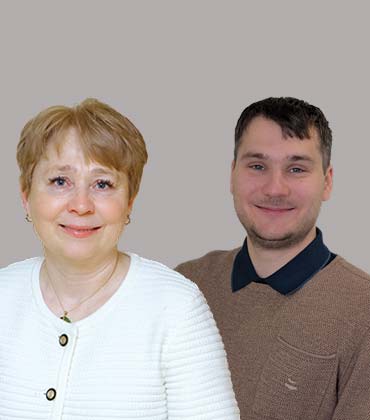
 Dr. Olga Tourin, FRCPC, FACP, FCCP, NBC-HWC, Medical Director and Respirologist and Pavel Tourin, Clinical Research Coordinator
U-Breathe Respirology Clinic and Pulmonary Function Lab has built its model around connecting these essential elements within one integrated ecosystem.
Established as a respiratory care center, U-Breathe combines specialist consultations, advanced pulmonary diagnostics, respiratory education, and clinical research under one umbrella. The organization’s approach is designed to provide continuity of care while ensuring patients receive the assessments, guidance, and treatment pathways required for their individual needs.
“Integration is the most interesting angle because we are not simply a respiratory clinic, not simply a pulmonary function laboratory, and not simply a research site,” says Dr. Olga Tourin, Medical Director and Respirologist. “We bring those elements together, and patients have multiple touch points throughout their journey that allow us to provide the right tests, education, diagnostics, and follow-up.”
Closing Gaps in Respiratory Care
The healthcare journey for respiratory patients can often become fragmented. A patient may receive a diagnosis in one setting, undergo testing elsewhere, and struggle to understand how to implement treatment recommendations effectively. U-Breathe addresses these gaps by creating a coordinated pathway where diagnostics, specialist expertise, education, and ongoing monitoring work together.
The clinic’s multidisciplinary team includes respirologists, respiratory therapists, certified respiratory educators, clinical assistants, and research professionals. Each team member contributes to a broader understanding of the patient’s condition and progress.
Receiving a diagnosis is necessary, but it does not mean that a patient understands recommendations or can successfully follow through with treatment. That is why we provide multiple touch points throughout the patient journey.
Rather than ordering tests without context, U-Breathe focuses on selecting assessments that answer specific clinical questions. The clinic provides access to pulmonary function testing, including spirometry, DLCO testing, cardiopulmonary exercise testing, six-minute walk testing, FeNO testing, and other respiratory assessments based on patient requirements.
Dr. Olga explains that the objective is not simply to perform more testing but to ensure every diagnostic tool serves a meaningful purpose. By combining testing capabilities with specialist interpretation, the clinic helps patients and providers understand what the results mean and how they should influence care decisions.
Respiratory education also plays an important role in this process. Certified respiratory educators help patients understand their conditions, improve inhaler techniques, recognize symptoms, and follow treatment plans correctly. These interactions create additional opportunities to identify concerns and ensure patients feel confident managing their respiratory health.
“Diagnosis is only part of the puzzle,” says Dr. Olga. “Receiving a diagnosis is necessary, but it does not mean that a patient understands recommendations or can successfully follow through with treatment. That is why we provide multiple touch points throughout the patient journey.”
Advancing Care through Clinical Research
For U-Breathe, clinical research is not separate from patient care. Instead, it serves as an extension of the clinic’s mission to provide access to evolving treatment options while maintaining a strong focus on patient safety.
The research program began in 2019 with participation in phase four trials and has since grown to include multiple clinical studies ranging from phase 2b investigations to phase four research. Through this program, U-Breathe evaluates opportunities that align with patient needs and the clinic’s standards of care.
Pavel Tourin, Clinical Research Coordinator explains that research participation requires careful preparation, structured processes, and commitment to regulatory standards. The team develops procedures, manages equipment requirements, maintains documentation, and ensures every study is conducted according to protocol requirements.
“Our research program has evolved from building the processes and expertise needed to meet protocol requirements and regulatory expectations into a patient-centered approach where we carefully evaluate whether a study is right for our patients,” says Pavel.
The integration of research into daily clinical operations provides advantages for both patients and sponsors. Patients who have exhausted available treatment options may gain access to investigational therapies before they become widely available. Sponsors benefit from a research environment supported by respiratory specialists, diagnostic capabilities, experienced staff, and established patient relationships.
For individuals with severe respiratory diseases, access to clinical trials can provide another pathway when existing therapies may not fully address their needs. U-Breathe carefully selects studies and participants to ensure ethical decision-making and appropriate alignment between patient circumstances and research objectives.
At U-Breathe, the process begins with referral assessment and clinical evaluation. Patients are reviewed by the healthcare team, undergo appropriate diagnostics, and receive specialist assessments. When a clinical trial may be suitable, patients are introduced to the research team, who then provide detailed information about the study, consent requirements, potential risks, procedures, and expectations.
A Seamless Trial Experience
Clinical trial participation involves more than enrollment. Patients need clear information, ongoing communication, and confidence that their wellbeing remains the priority throughout the study.
-
Our research program has evolved from building the processes and expertise needed to meet protocol requirements and regulatory expectations into a patient-centered approach where we carefully evaluate whether a study is right for our patients.
At U-Breathe, the process begins with referral assessment and clinical evaluation. Patients are reviewed by the healthcare team, undergo appropriate diagnostics, and receive specialist assessments. When a clinical trial may be suitable, patients are introduced to the research team, who then provide detailed information about the study, consent requirements, potential risks, procedures, and expectations.
The research team works closely with participants throughout their research journey, ensuring they have direct communication channels and ongoing support. This approach helps create trust and improves engagement because patients understand their role within the research process.
“Our role is to make patients feel supported throughout the trial journey,” says Pavel. “They know they can reach out with questions about their care or the study, and we work with them to find answers and guide them where they need to be.”
The clinic’s integrated pulmonary function laboratory further enhances the experience. Instead of requiring patients to visit separate facilities for breathing tests, specialist appointments, and research visits, many assessments can be completed within the same environment. This reduces inconvenience while supporting consistent data collection.
The availability of experienced respiratory professionals also supports trial quality. Protocol-driven studies often require precise pulmonary assessments, and having trained staff familiar with respiratory testing helps maintain accuracy and consistency.
Building Trust through Quality and Collaboration
Maintaining high standards in clinical research requires adaptability, attention to detail, and collaboration. U-Breathe works within established regulatory frameworks while developing practical solutions to meet study requirements.
The organization has established procedures to support clinical trial operations and continuously reviews processes to maintain quality. When specialized equipment, external expertise, or additional resources are needed, the team collaborates with trusted partners to ensure patients receive appropriate care.
Pavel highlights that the clinic’s smaller, focused structure allows it to respond efficiently to changing research needs. The team can adapt processes, establish partnerships, and prepare resources required for specific protocols while maintaining patient-centered priorities.
Dr. Olga also emphasizes that U-Breathe’s role is collaborative rather than competitive. The clinic works alongside hospitals, laboratories, imaging providers, and other healthcare professionals to create a network that supports patients throughout their respiratory care journey.
“We want to provide meaningful research as part of quality respirology care that closes the gaps some patients cannot overcome with standard care,” says Dr. Olga. “The greatest reward is knowing that the work can create better possibilities for patients.”
The Future of Respiratory Research and Care
As respiratory medicine continues to advance, U-Breathe remains focused on strengthening its integrated model. The organization’s future direction is centered on improving depth of service, expanding interdisciplinary collaboration, and maintaining high standards of diagnosis, treatment support, and research.
The clinic believes that effective respiratory care requires more than isolated services. It requires a connected system where patients receive guidance at every stage, from initial assessment through long-term management and potential participation in research opportunities.
Dr. Olga notes that the organization’s goal is not growth for the sake of growth, but the continued development of a more integrated respiratory care model that addresses patient needs throughout every stage of their journey.
Pavel adds that successful clinical research depends on selecting appropriate studies and supporting participants throughout the process. When patients feel connected to the purpose of research, they often become active contributors to advancing respiratory knowledge.
The clinic’s approach also reflects a broader commitment to ensuring that innovation remains connected to real patient experiences. Respiratory diseases often affect daily activities, independence, and quality of life, making personalized support an essential part of effective management. By combining clinical expertise with research capabilities, U-Breathe creates opportunities to better understand patient outcomes while helping individuals access emerging therapies when appropriate.
This commitment extends beyond individual appointments and trial visits. The team continues to invest in collaboration, knowledge sharing, and continuous learning to remain prepared for changes in respiratory medicine. Through clinical discussions, education initiatives, and participation in research, professionals across the organization contribute to a culture focused on evidence-based care. Patients benefit from a team that understands both the scientific progress occurring in respiratory medicine and the practical challenges people face while managing chronic conditions.
Strengthening the Pathway between Respiratory Challenges and Meaningful Solutions
The foundation allows U-Breathe to approach respiratory care with consistency and compassion. Every interaction, whether during a diagnostic assessment, clinical consultation, or research visit, reinforces the organization’s focus on helping patients navigate complex respiratory conditions with greater clarity, confidence, and support. The team’s ongoing efforts demonstrate the value of connecting medical expertise, research access, and patient relationships within one coordinated care environment.
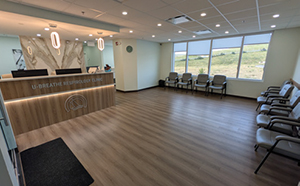 In recognition of its integrated approach to respiratory clinical research and patient-centered care, U-Breathe Respirology Clinic and Pulmonary Function Lab has been named among the Top Clinical Trial Solutions in Canada for 2026. The recognition reflects the organization’s commitment to connecting specialized respiratory care, advanced diagnostics, and research opportunities within a coordinated model designed around patient needs.
Through its combination of clinical expertise, diagnostic capabilities, education, and research, U-Breathe continues to strengthen the pathway between respiratory challenges and meaningful solutions. By keeping patients at the center of every decision, the organization demonstrates how integrated care can support both current patients and future advances in respiratory medicine.
Assessing Respiratory Clinical Trial Sites For Patient Continuity
The respiratory clinical trial may have a sound protocol yet struggle to retain participants whose symptoms fluctuate over months of follow-up. Patients with severe asthma or chronic obstructive pulmonary disease (COPD) often require ongoing clinical attention beyond scheduled research visits. Separate appointments for specialist consultations and pulmonary assessments can add further demands. Sponsors evaluating clinical trial sites must examine how research activities fit within continuing patient care rather than relying solely on recruitment projections.
Participant eligibility can be difficult to establish when respiratory symptoms vary and treatment histories are complicated. A diagnosis alone may not indicate whether someone meets the protocol's clinical requirements or can manage repeated study visits. Sites with established patient relationships may better understand disease progression and previous treatment responses. This familiarity can support informed recruitment estimates, but it must be accompanied by systematic screening against protocol criteria. Sponsors should establish how investigators determine whether participation is appropriate and how potential risks are communicated before enrollment.
Respiratory trials place particular demands on diagnostic consistency. Spirometry and other pulmonary assessments frequently require trained personnel to perform standardized maneuvers using study-specific equipment. Variations in technique can affect the reliability of measurements collected across visits. Access to experienced respiratory therapists can help sites manage these requirements, especially when protocols introduce unfamiliar devices. Coordinating breathing tests with physician assessments also allows measurements to be interpreted alongside the patient's clinical condition. Sponsors should examine equipment calibration procedures and the site's ability to accommodate specialized testing without repeatedly referring participants elsewhere.
Long follow-up periods expose weaknesses in participant engagement. Patients may experience changes in symptoms or uncertainty about investigational treatment between scheduled visits. Research coordinators need sufficient time to explain consent requirements and maintain contact when concerns arise. Retention should follow informed participation rather than pressure to remain enrolled. A site that recognizes when clinical interests require withdrawal protects participants while maintaining the integrity of its research procedures. Regular communication also helps distinguish missed appointments from emerging medical concerns.
“Its research coordinators explain informed consent and study requirements in detail, while direct patient contact supports close follow-up throughout participation.”
Protocol requirements may extend beyond equipment already available at a research facility. Additional laboratory testing or imaging can require coordination with external providers. Sponsors should assess whether a site has established procedures for introducing new equipment and arranging qualified third-party services. Documented processes must cover study conduct and regulatory responsibilities, particularly when international protocols are implemented under Canadian requirements. Site selection should account for the capacity to meet these obligations without separating research from necessary clinical care.
U-Breathe Respirology Clinic and Pulmonary Function Lab conducts respiratory clinical trials within an outpatient care model that combines specialist consultations with pulmonary diagnostics and continuing patient education. Its research program has participated in 16 trials spanning phase 2b through phase four, primarily involving respiratory conditions. Its research coordinators explain informed consent and study requirements in detail, while direct patient contact supports close follow-up throughout participation. Experienced respiratory therapists perform protocol-specific testing, supported by established procedures and external laboratory partnerships when required. The site also assesses proposed studies against its patients' clinical needs before accepting them. Sponsors conducting longer-term asthma or COPD studies requiring specialized respiratory assessments and sustained participant engagement are particularly relevant clients.
...Read more
