
Inveniv
Inveniv: Shaping Market Identity through Insight and Understanding
Aaron Mazze, Principal and Founder

Life Science Review Weekly Brief
Be first to read the latest tech news, Industry Leader's Insights, and CIO interviews of medium and large enterprises exclusively from Life Science Review

If the life sciences industry is in attendance, we have probably been there, arranging an onsite client happy hour, or planning a vip invite-only dinner, or even setting up an exhibit booth for customers after designing it for them.

The life sciences industry is continually evolving due to advances in science, regulatory updates, and changing customer needs. As a result, strategic marketing is crucial for businesses in this sector. Companies require effective marketing solutions to communicate their value while also adhering to business and regulatory standards. Marketing extends beyond promotions; it encompasses a broader array of activities and objectives.
As competition increases across domestic and international markets, businesses are recognizing that effective marketing solutions contribute significantly to sustainable growth, stronger stakeholder relationships, and long-term organizational success.
Building Strong Market Position through Strategic Communication
Marketing solutions for life sciences assist in creating a solid market positioning strategy by combining scientific know-how and business communication that various people can easily understand. It is important to provide accurate information while making sure that it is easy to understand for healthcare practitioners, distributors, institutions and researchers. Effective communication strategies make the brand image look good.
Market research forms an integral part of strategy formulation as it helps determine the needs and purchasing patterns of customers, prevailing trends in the industry, and areas where there is competition. Accurate market intelligence helps firms to improve their communication strategy, focus on relevant products, and invest marketing resources effectively. Those who analyze market dynamics are more likely to stay relevant to customers.
Development of content also aids in strategic communication through the delivery of technical content in an appropriate format to suit various audiences within the business. Educational content, industry publications, conferences, online forums, and thought leadership activities increase the level of engagement of customers while at the same time enhancing the expertise of the organization.
Digital Transformation Supporting Marketing Effectiveness
Technology has had an impact on how the life sciences companies design, conduct, and evaluate marketing processes. Through powerful analytics, it is possible to understand how customers interact and to analyze marketing campaign effectiveness and market trends. Such information allows making decisions based on measurable results. The use of technology makes marketing process management more efficient.
The implementation of CRM systems improves the efficiency of marketing efforts by structuring a company's interactions with its customers. These systems facilitate an understanding of communication patterns and enable tailored communication. Consequently, the company can better grasp stakeholder needs and deliver pertinent information that aligns with their preferences.
The digital marketing mediums increase the possibilities of communicating to the geographically diverse audience using professional content and targeted communication programs. Organizations can stay engaged with their customers through several markets with customized messages according to the local requirements. This increases the presence in the market without expanding the conventional marketing framework to a large extent.
Measurement is still very important in the context of digital marketing. Companies are now increasingly paying attention to measuring their key performance indicators, customer acquisition patterns, engagement, and conversion rates for the purpose of making marketing decisions on an ongoing basis, thus ensuring that marketing efforts are in line with business objectives.
Strengthening Business Growth through Collaborative Marketing Strategies
Life sciences marketing solutions require greater cooperation among various departments such as research, regulation, commerce, and customer services. Through integrated marketing, an organization can develop marketing strategies that properly reflect the capacity of the product and satisfy both market demands and regulatory needs. Collaboration minimizes the risks of poor communication in business practices.
Collaborations with industry partners, distributors, academic institutions, and professional bodies will even make marketing more effective because such collaborations will make businesses more visible and credible. Collaboration efforts allow for learning and involvement that build business relations. This is an advantage for companies, as they gain more visibility while helping their prospective customers and partners make informed decisions.
Adaptability also becomes key as the market environment changes owing to technological innovations, regulatory changes, and customer demands. Organizations that continuously evaluate their marketing plans will be able to spot new opportunities, allocate resources more effectively, and stay competitive in a constantly changing environment. Flexibility of planning allows companies to react promptly without undermining their overall strategy.
The investment in training for employees is yet another way of ensuring that successful marketing execution takes place through making sure that the teams are always updated about the latest trends in science, communications, regulation, and technology. This makes professionals effective in handling customers while building organizational effectiveness in different areas of marketing.
From the perspective of the future, life science marketing solutions would continue to assist those organizations that desire more competitive positioning, improved efficiency, and commercial success. Organizations that effectively leverage strategic communication, innovation, teamwork, and constant market research are able to meet industry challenges and sustain their competitiveness in the long run. Through the integration of marketing efforts within overall business strategy, organizations add more value to their clients, build trust among stakeholders, and pursue sustainable development.
The life sciences sector has entered an unprecedented period of velocity. The era of broad-stroke awareness campaigns is rapidly fading, replaced by an ecosystem demanding hyper-relevance, scientific fidelity, and emotional resonance.
For marketing and advertising firms operating in this space, the marketplace has never been more crowded. A surge in boutique agencies, coupled with the aggressive entry of generalist consulting giants into the health sector, has saturated the field. In this environment, "full-service" is no longer a differentiator; it is merely the price of entry. To truly stand out, forward-thinking agencies are moving beyond the traditional vendor model to become indispensable intellectual partners. Differentiation now hinges on a firm's ability to synthesize three distinct capabilities: deep scientific authority, precision data orchestration, and radical human-centricity.
Specialized Scientific Expertise and Content Authority
The complexity of therapeutic modalities—from cell and gene therapies to AI-driven diagnostics—has rendered superficial understanding obsolete. Clients are no longer looking for agencies that can simply "polish" a message; they are seeking partners who can distill the science and craft a compelling commercial narrative without diluting its technical integrity.
Content authority now defines differentiation in this arena. Leading firms are restructuring their talent acquisition strategies, prioritizing medical directors, PhDs, and PharmDs over traditional copywriters. This internal "brain trust" allows an agency to engage with client R&D teams on a peer-to-peer level, reducing the friction of translation that often plagues agency-client relationships.
This expertise allows for the creation of "scientific storytelling" that serves dual purposes: education and persuasion. In a world where Healthcare Professionals (HCPs) are overwhelmed by data but starved for insight, agencies that can curate high-value, clinically relevant content are winning the battle for attention. This goes beyond standard white papers. It involves creating immersive, evidence-based digital experiences that respect the audience's intelligence. By treating scientific accuracy not as a compliance hurdle but as a creative asset, agencies are building a moat of trust. When an agency demonstrates that it understands the mechanism of action (MoA) as thoroughly as the product team, it transitions from a service provider to a strategic consultant, a position far more difficult for competitors to displace.
Data-Driven Precision and Digital Transformation
While scientific expertise provides the "what," data-driven precision provides the "who," "when," and "how." The industry has progressed from simple data collection to complex data orchestration, primarily driven by advances in AI and machine learning.
Differentiation here is achieved through Hyper-Personalization at Scale. It is no longer sufficient to segment audiences by broad specialties like "oncologists" or "cardiologists." Advanced agencies are using predictive analytics to micro-segment audiences by behavior, digital consumption habits, and even prescribing readiness. By leveraging intent data, firms can now predict when an HCP is actively researching a specific condition or treatment pathway, allowing for the deployment of "just-in-time" content that feels serendipitous rather than intrusive.
The modern agency is differentiating through the integration of omnichannel ecosystems. The disparate silos of email, social media, programmatic display, and sales rep detailing are being unified into coherent "customer journeys." The agencies standing out are those that can offer closed-loop marketing systems where a physician’s interaction with a digital ad informs the script for the next sales rep visit. This level of digital transformation requires agencies to possess robust tech stacks and data governance capabilities, effectively functioning as marketing technology (MarTech) integrators. By proving they can optimize the "next best action" for every stakeholder interaction, these firms demonstrate a direct correlation between marketing spend and prescription lift. This metric resonates powerfully in the C-suite.
Human-Centric Storytelling and Patient Centricity
While science and data provide the foundation and delivery mechanism, the brand's emotional core remains the strongest driver of behavior change. In a marketplace often criticized for being clinical and cold, agencies that master Human-Centric Storytelling are carving out a unique identity.
True patient-centricity has evolved beyond placing stock photography of smiling patients on a brochure. It now demands a forensic understanding of the disease's "lived experience". Differentiated agencies are investing in ethnography and social listening to map the patient's emotional journey—from the confusion of diagnosis to the fatigue of chronic management. They are using these insights to craft narratives that validate the patient's struggle and empower the patient as an active participant in their care.
This approach also extends to the HCP audience. Physicians are humans first, driven by the desire to improve outcomes and reduce suffering. Marketing that taps into this vocational purpose—framing a therapy not just as a molecular interaction but as a tool to restore a patient’s life—cuts through the noise of clinical data. Agencies that succeed here are those that can bridge the gap between "clinical efficacy" and "quality of life," creating brand identities that feel empathetic and authentic. This involves inclusive marketing that represents diverse patient populations and accessible design that ensures information is usable by all. By championing the human element, agencies protect their clients from commoditization, ensuring that the brand stands for a set of values rather than just a set of indications.
The agencies that will dominate the next decade are not those that excel in just one of these areas, but those that can weave them together seamlessly. They will be the firms that can debate the nuances of a clinical trial in the morning, optimize a programmatic algorithm at lunch, and craft a tear-jerking patient documentary in the afternoon. By positioning themselves as guardians of scientific truth, masters of digital precision, and champions of the human experience, firms can secure their future in a marketplace that is demanding more than ever before.
The life sciences industry is shifting from valuing drugs and devices solely for their clinical efficacy, mechanisms, and patents to undergoing a profound transformation in how value is defined. While these elements remain fundamental, a new and more holistic definition of value is emerging, one that extends far beyond the physical product. At the heart of this transformation are strategic marketing consultants, who are guiding life sciences organizations in reimagining their role in the healthcare ecosystem and articulating a more profound value proposition.
This shift is not merely a recalibration of marketing tactics; it is a fundamental rethinking of how life sciences companies create and deliver value. The traditional product-centric model, with its focus on features and benefits communicated primarily to healthcare professionals, is giving way to a more human-centric approach that encompasses the entire patient journey and the broader healthcare landscape. Strategic marketing consultants are the architects of this new framework, helping to bridge the gap between innovative science and patients' lived experiences.
Patient-Centricity as a Strategic Imperative
The journey 'beyond the molecule' begins with a deeper understanding of the patient as an active participant in their own health. This patient-centricity is more than a mere buzzword; it is a strategic imperative. Consultants are leveraging advanced data analytics and real-world evidence to uncover nuanced insights into patient behaviors, unmet needs, and the emotional and logistical burdens associated with disease. This granular understanding allows for the development of comprehensive support systems and educational resources that empower patients, improve adherence, and ultimately enhance therapeutic outcomes. The conversation is shifting from "what our product does" to "how we can improve your quality of life."
Harnessing Digital Transformation for Connected Health
Fueling this evolution is the unprecedented power of digital transformation. The life sciences are no longer confined to the clinic or the pharmacy. Mobile applications, wearable devices, and telehealth platforms have created a connected health ecosystem ripe with opportunities for engagement. Strategic marketing consultants are at the forefront of harnessing these technologies to create seamless and personalized patient experiences. They are advising on the development of digital therapeutics, remote monitoring solutions, and tailored content that delivers the correct information to the right person at the right time, fostering a continuous and supportive relationship between the patient and the brand.
This digitally-enabled, patient-centric approach necessitates a redefinition of the customer. While healthcare professionals remain a vital audience, the concept of the "customer" has expanded to include patients, caregivers, payers, and integrated health systems. Each of these stakeholders has a unique perspective on value, and strategic marketing consultants play a crucial role in crafting multifaceted value propositions that resonate with each. For payers and health systems, value is increasingly defined by improved health economics, reduced hospitalizations, and better population health management. Consultants are adept at translating clinical data into compelling economic arguments and demonstrating how a product, coupled with its surrounding support services, can contribute to a more efficient and effective healthcare system.
Expanding Value Beyond the Pill
The nature of marketing is shifting from promoting a single product to offering an integrated solution. The "beyond the pill" movement sees life sciences companies offering a suite of value-added services that address the holistic needs of patients. These can range from adherence programs and telehealth consultations to nutritional guidance and mental health support. Strategic marketing consultants play a pivotal role in identifying the most impactful services for a given patient population and integrating them seamlessly into the overall brand strategy. This transforms the company from a mere supplier of medicine to a true partner in health.
In this new paradigm, the role of the marketing consultant has evolved from a purveyor of promotional strategies to a strategic orchestrator of value creation. They are breaking down internal silos, fostering collaboration between medical affairs, market access, and commercial teams to ensure a unified and patient-centric approach. They are helping to cultivate a corporate culture that is agile, data-driven, and deeply empathetic to the patient experience.
The life sciences industry is at an inflection point. The future of value lies not solely in the groundbreaking science of the molecule, but in the comprehensive and human-centric experiences that surround it. Strategic marketing consultants are the cartographers of this new landscape, guiding organizations through the complexities of patient-centricity, digital innovation, and an expanded definition of the customer. By reframing value around the entire patient journey and the broader healthcare ecosystem, they are not only helping to build stronger brands but also enhancing patient care. Still, they are also contributing to a future where healthcare is more personalized, participatory, and profoundly more valuable for all.
Cancer treatment is one of the most complex treatments among others, and it often encounters several issues. One such issue is the cancer drug resistance. Cancer drug resistance is a significant problem in treating cancer. It happens when cancer cells change and no longer respond to the drugs meant to kill them.
This can be either because the cells were always resistant or became resistant over time. These changes can be due to genetic mutations or interactions with their environment. Understanding and addressing this resistance is crucial for improving cancer treatments and patient outcomes.
Understanding the Current Waves and Obstacles
Cancer drug resistance continues to pose a considerable obstacle in the field of oncology. A prominent trend involves the application of advanced genomic and proteomic technologies to elucidate the molecular and biochemical foundations of drug resistance. These technologies facilitate the identification of the mechanisms through which cancer cells acquire resistance to therapeutic agents. Gaining this insight is essential for formulating effective strategies to counteract resistance.
There is a focus on the creation of innovative anticancer agents and methodologies. Approaches such as proteolysis targeting chimera (PROTAC) technology, immunotherapy, and nanomedicine are among the promising avenues being investigated. Also, the real-time monitoring of drug responses is increasingly being adopted, enabling more accurate and timely modifications to treatment regimens.
The notion of combination therapies is undergoing significant development. Researchers are exploring the integration of conventional cytotoxic agents with molecularly targeted inhibitors to bypass resistance mechanisms and enhance treatment efficacy. This strategy capitalizes on various therapies' synergistic interactions to improve their effectiveness.
Another key area of investigation is the combination of immunotherapies. By utilizing the body's immune response to combat cancer, these treatments present a hopeful strategy for addressing drug resistance. Precision medicine, which customizes treatment based on the unique attributes of each patient, is increasingly contributing to these advancements.
Comprehending the tumor microenvironment is crucial for overcoming drug resistance. Alterations within this microenvironment can affect the response of cancer cells to therapeutic interventions. Scientists are investigating methods to alter the microenvironment to render it less favorable for cancer proliferation and more amenable to treatment.
These developments signify a comprehensive strategy for addressing cancer drug resistance. By integrating cutting-edge technologies, innovative therapies, and a more profound understanding of the fundamental mechanisms, researchers are achieving notable progress in enhancing the outcomes of cancer treatments.
Cancer drug resistance also poses significant challenges in the field of oncology. A primary concern is the genetic heterogeneity present within tumors. Cancer cells can mutate rapidly, resulting in a diverse array of genetic characteristics within a single tumor. This variability complicates the effectiveness of any one drug against all cancer cells.
In addition, the tumor microenvironment presents another obstacle. Cancer cells' surrounding environment can significantly impact their response to therapeutic interventions. Elements such as blood supply, oxygen availability, and interactions with adjacent cells can influence the efficacy of drugs. This intricate interplay makes it challenging to predict a tumor's response to specific treatments accurately.
Drug efflux represents a considerable obstacle in cancer treatment. Certain cancer cells acquire the capability to expel therapeutic agents from within their cellular structure, thereby diminishing the medication's efficacy. This process enables cancer cells to persist despite the administration of chemotherapy.
Cancer stem cells contribute to drug resistance. These cells have the potential to remain inactive for extended durations and frequently exhibit resistance to standard treatment modalities. Subsequently, they can reactivate, resulting in the recurrence of tumors.
The emergence of resistance to targeted therapies presents a significant challenge. Although these therapies focus on particular molecules that contribute to cancer proliferation, cancer cells can adapt and utilize alternative pathways for survival. This capacity for adaptation complicates the creation of enduring treatment options.
The adverse effects associated with combination therapies represent another obstacle. While the integration of various medications can be beneficial in addressing resistance, it may also result in heightened toxicity and side effects for patients. Striking stability between effectiveness and safety is vital in cancer treatment.
What Does The Future Hold?
The future of cancer drug resistance research holds immense potential. One promising area is using artificial intelligence and machine learning to predict and prevent drug resistance. These technologies can study large amounts of data to identify patterns and suggest new treatment strategies. Personalized medicine is another exciting development, where treatments are personalized to the unique genetic profile of each patient, increasing the chances of success.
Advancements in immunotherapy also offer hope. By utilizing the body's immune system to fight cancer, researchers focus on developing treatments that are less susceptible to resistance. Exploring new drug delivery systems, such as nanomedicine, is another area with great potential. These systems can target cancer cells more precisely, reducing side effects and improving drug effectiveness.
Combination therapies, where different drugs are used together, are also gaining traction. This approach can help overcome resistance by attacking cancer cells from multiple angles. Ongoing research into the tumor microenvironment and its role in drug resistance will provide new insights and opportunities for intervention. The integration of these advancements promises a future where cancer drug resistance is less of an obstacle, leading to more effective and personalized cancer treatments.
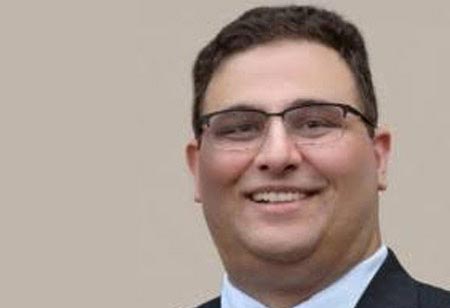
Jorge Rodriguez brings a rare blend of scientific depth and strategic vision to his role as Head of Marketing at Alcami Corporation. His career began in biomedical engineering, where he gained a strong appreciation for the science behind therapeutic innovation.
Early on, he saw the importance of translating complex scientific work into clear strategies that move breakthrough medicines toward the patients who need them. That insight led him to pursue an MBA, expanding his commercial perspective and strengthening his understanding of the global pharma and biotech landscape. Today, he draws on both disciplines to guide Alcami’s marketing efforts, shaping narratives that connect scientific rigor with real-world impact.
Through this article, Rodriguez shares his professional evolution through the CDMO industry and the passion for data-driven storytelling in pharma marketing and his excitement about the future of predictive, personalized engagement.
How I Found My Path in the CDMO World
My transition into contract development and manufacturing organization (CDMO) space was a natural evolution.
I was drawn to its complexity and its pivotal role in enabling innovation, from early-stage development to commercial-scale manufacturing.
Through leadership roles at Catalent, WuXi Advanced Therapies and now Alcami, I’ve had the privilege of contributing to the growth of advanced therapies, sterile fill/finish and oral solid dose platforms. The CDMO model uniquely blends technical depth, strategic agility and client partnership—an environment that aligns perfectly with my strengths and aspirations.
A defining moment, for me, was spearheading digital commerce and business intelligence at WuXi’s Advanced Therapies Unit. Reporting directly to the Commercial Head, I was tasked with aligning cross-functional teams—marketing, sales, operations and R&D—around a unified growth strategy. This experience reinforced the importance of intellectual flexibility, empathetic leadership and datadriven decision-making.
At Catalent, I progressed through roles in marketing automation, CRM systems and sales enablement, gaining a holistic view of commercial operations. Reporting to both the chief marketing officer and the VP of sales force effectiveness gave me a dual lens into strategic marketing and sales support.
I was entrusted with managing co-op rotational talent, a systems analyst and a team of 10–15 inside sales representatives—an opportunity that allowed me to master lead nurturing, qualification processes and team leadership.
My current task is to report to the Chief Strategy Officer at Alcami, which gives me broad ownership across all facets of marketing: business intelligence, public relations, events and tradeshows, digital marketing, customer experience, site and HR support, sales enablement, product marketing and internal/external communications.
This role not only empowers execution but provides strategic headroom to think holistically, craft growth strategies and develop the mindset of a future C-suite leader.
[QUOTE1_Replace]
The Experience That Changed How I Approach Problems
One of the most challenging yet rewarding experiences was leading digital transformation initiatives across multiple CDMO platforms. Integrating systems like Salesforce, Eloqua and HubSpot across global teams required not only technical fluency but also deep stakeholder alignment and change management.
In a past role, scaling digital sales operations while maintaining regulatory compliance and scientific integrity presented a unique challenge.
These experiences taught me that resilience is rooted in clarity of purpose and that effective problem-solving is both collaborative and iterative. I’ve learned to approach challenges with a systems mindset— balancing short-term execution with long-term strategic impact.
Where My Love for Storytelling Meets the Power of Analytics
In pharma manufacturing, storytelling must be anchored in data.
I leverage tools like marketing automation, lead scoring and personabased segmentation to uncover client needs and behavioral patterns. These insights inform narratives that connect technical capabilities—such as sterile fill/finish or analytical testing—to real-world outcomes for patients and partners.
What excites me most is the shift toward personalized engagement and predictive analytics. Marketing is evolving from a promotional function to a strategic growth engine—one that orchestrates meaningful conversations across the buyer’s journey. The integration of AI, automation and omnichannel strategies is redefining how we build trust, deliver value and scale impact in the CDMO space.
Three Lessons I Pass On
First, embrace complexity. The CDMO ecosystem is multifaceted and success requires comfort with ambiguity and the ability to navigate scientific, regulatory and commercial domains simultaneously.
Second, stay curious and collaborative. Innovation thrives at the intersections—between disciplines, departments and organizations. Building strong networks and fostering open dialogue is essential.
Finally, lead with empathy and agility. Whether guiding a team or shaping strategy, understanding people and adapting to change will define your impact. The future of CDMO leadership lies in integrating science with strategy and doing so with a human-centered, forward-looking approach.

Heather Morris is the System Director of Clinical Risk Management at West Tennessee Healthcare, dedicated to enhancing patient safety and supporting frontline staff. A registered nurse with a background in pediatrics and peri-procedural care, she transitioned into risk management in 2015 and became Director of Risk in 2020 at the height of the COVID-19 pandemic. Heather holds an RN from Jackson State Community College and a bachelor’s in business management from the University of Tennessee at Martin, with plans to pursue a master’s degree.
Through this article, Morris shares their transition from bedside nursing to clinical risk management leadership, emphasizing strategies for fostering a safety culture, leveraging AI, and enhancing collaboration to improve patient outcomes.
The Journey into Clinical Risk Management
I began as a registered nurse in pediatrics, newborn nursery, and peri-procedural. I always knew that I wanted to be able to make a difference for patients and healthcare workers but in a more behind-the-scenes role. I returned to school and obtained my bachelor’s in business management. Before graduation, I noticed an opening in Risk Management and was selected as an Assistant Risk Manager as my healthcare and business degrees positioned me well to learn and excel in this type of role. Through personnel changes and unexpected opportunities, I was allowed to prove myself as a leader at the start of COVID-19 and was promoted to System Director of Risk Management and now System Director of Clinical Risk Management which allows me to achieve that original goal of helping patients and front-line healthcare providers.
[QUOTE1_Replace]
Building a Culture Where Safety Comes First
I started by identifying where our gaps were in our safety culture through event reviews, speaking with frontline staff about common safety concerns, and learning from the other leaders what their safety barriers were. I would then take these concerns to our organizational leaders to see what actions could be taken and start improvement efforts.
We brought in a new event reporting system to make it easier for staff to report and leaders to review events and frequently promote the new system across the organization. This was a huge game changer for us regarding staff communicating issues regularly as well as providing an efficient and secure way for leaders to problem-solve together. My Risk team drives the improvements through this system by asking the “why” questions to get leaders to dig as deep as possible for process solutions.
RCAs and FMEAs were made more standardized and an environment where staff felt safe to come and speak openly was cultivated by making it a conversational type meeting as opposed to an intense questioning and answering type session. Questions are still asked during the conversation to make sure no stone goes unturned but it’s in a way where everyone gets to share their insight. We also include all staff involved so each employee can hear the other’s side of the story and learn from each other and where all of the breakdowns in the process are.
Lessons from Pediatrics & Outpatient Care
I was a pediatric/Newborn Nursery nurse in a very small not-forprofit hospital right out of nursing school. I was the only nurse on the unit with a PCT the on night shift. I had to learn fast and to trust my gut if something didn’t feel right. I learned who my resources were and worked through the difficult situations. This experience taught me resilience, that I can learn to navigate new situations even when it’s hard, and to take each day as an opportunity to learn something new. This experience made me a stronger person because I had to figure things out quickly and on my own.
The outpatient setting provided me the opportunity to work and think quickly. The patients needed to be prepped and ready to go quickly while also ensuring they were safe to proceed to their procedure and recovered well post-procedure. This position was within my current organization, and I got to know many people I still work with today. I got to learn about how so many different departments work, and I still apply that knowledge today when it comes to issues that involve these areas.
Breaking Silos
When I have a collaborative meeting among different service lines or health professionals, I make sure they each have a chance to speak about their part of the process or event. By doing this, each person gets to briefly walk in that person’s shoes to realize we all have our version of hard and we are all just doing the best we can now to take care of our patients. They start to realize what they could have done differently or better to help the other person.
Why Smart Tech is the Next Big Thing in Risk Management
One of the emerging things I am most excited about is the use of AI in various aspects of care. There are options to use AI in video monitoring for fall prevention, data analysis, and so many others. When used safely, AI could assist with identifying trends to take a more proactive approach to care, assist an already busy workforce by making things more efficient, and analyze data even deeper to assist with process improvement efforts by identifying more trends.
Playbook for Future Risk Management Leaders
Always be approachable and ready to listen. You learn more about what is truly going on within your organization if you choose to listen openly before speaking. Then you can try to fix the real issues at hand.
Always work as a team with those involved in the issue, they have the most ownership and desire to fix whatever issues are at hand.
Keep your passion and drive going by remembering you can be a driving force behind bettering the care that you, your loved ones, and the community receive in your healthcare organization.
Charge variant analysis is a fundamental tool for quality control of biopharmaceutics, providing critical insights into the structural heterogeneity of products. This type of analysis is essential because any alteration in the structure of a biopharmaceutical can affect the quality, efficacy, and safety of the final product, which can lead to clinical impacts such as unintended side effects. Charge variants are primarily induced through inherent cellular processes, such as post-translational modifications (PTMs) and genetic mutations. PTMs—which include glycosylation, deamidation, and glycation—change the protein's structure, while genetic mutations introduced during cell line development can cause changes in the protein sequence.
The key to charge variant analysis is its ability to identify and manage the charge profile of biopharmaceuticals early in upstream process development to avoid carryover into the downstream phase, where they cannot be removed. As such, charge variant analysis is critical for establishing a valid release method and, consequently, ensuring the quality and consistency of biopharmaceutical products.
[QUOTE1_Replace]
Overcoming Challenges Related to Comprehensive Charge Variant Analysis
Imaged capillary isoelectric focusing (IEF) is frequently used for charge heterogeneity analysis and provides a snapshot of the proteoforms present. However, mass identification of those proteoforms is typically a manual and inherently time-consuming process, often ranging from one to two months. So often, this type of in-depth identification of a charged variant is pushed to a later stage of development. However, it is crucial to understand a protein's personality and identify steps in the manufacturing process that could introduce undesirable PTMs into the final drug products. Having this information early in the drug development process provides more data points to make decisions on a drug candidate's developability.
To overcome longstanding time challenges associated with charge variant analysis and identification, the industry has been pioneering novel approaches and developing systems that merge icIEF with other analytical instruments to provide unified workflows for a more comprehensive analysis of charge variants. Integrating mass spectrometry (MS) with icIEF enables researchers to identify what the charge proteoforms are and to monitor critical quality attributes of a particular protein therapeutic.

Jennifer Li is the Director of Marketing Sciences at Sanofi, leveraging advanced analytics to optimize marketing strategies in the pharmaceutical industry. With expertise in market science, forecasting and investment modeling, she integrates data-driven insights to enhance decision-making. Her leadership fosters collaboration across teams, ensuring marketing effectiveness and business impact.
Driving Data-Driven Marketing Strategy
Jennifer Li plays a critical role in leveraging advanced marketing science analytics to drive data-backed decision-making at Sanofi. By spearheading initiatives such as marketing mix modeling (MMM) validation, results interpretation and strategic insights development, she ensures marketing decisions are grounded in robust data and predictive analytics. Her ability to analyze and synthesize data from multiple sources, including market research, media effectiveness studies and forecasting models, allows Sanofi to refine its marketing strategies continuously.
Her leadership in developing a unified insights approach helps streamline decision-making processes, reducing inefficiencies and increasing marketing effectiveness. She is committed to ensuring all marketing analytics drive tangible business impact, improving engagement strategies for key pharmaceutical brands. It’s her expertise that enables her to translate complex data into actionable insights, helping marketing teams make informed strategic choices that enhance brand performance and market penetration.
Optimizing Marketing Investments And Forecasting
A critical challenge in pharmaceutical marketing is effectively allocating marketing budgets across different therapeutic areas while maximizing ROI. Li addresses this by developing investment strategies based on predictive modeling and scenario analyses. Leveraging data-driven methodologies, she helps Sanofi allocate resources in a way that aligns with corporate objectives, financial planning cycles and evolving market conditions.
Her leadership in marketing analytics extends to major forecasting and brand planning efforts. By running scenario-based simulations, she helps Sanofi’s leadership and finance teams optimize investment decisions and anticipate market shifts. This proactive approach enables the company to stay ahead of industry trends and maintain a competitive edge. Her support in launching new marketing channels and assessing their long-term impact ensures each investment aligns with broader strategic goals.
It's her ability to navigate complex data ecosystems, which provides a comprehensive understanding of marketing performance across different channels. By integrating MMM with other analytics tools, she ensures Sanofi’s marketing spend is not only effective but adaptive to changing consumer behaviors and market demands.
Enhancing Collaboration And Cross Functional Impact
Li’s work extends beyond analytics—she fosters collaboration across multiple teams —including forecasting, media, brand, finance and leadership. By developing and supporting cross-functional initiatives, she strengthens the effectiveness of marketing strategies while ensuring alignment with broader business objectives. Her role requires working closely with key stakeholders to bridge the gap between technical analytics and high-level business decision making.
She communicates complex data insights clearly to ensure marketing recommendations translate into real world impact. Whether leading upskilling masterclasses in MMM, improving user experience in analytics web applications or streamlining ways of working with external partners, she is committed to advancing the role of data science in marketing strategy.
With a strong promise to continuous learning, Li ensures the marketing science team stays ahead of industry trends and emerging technologies. By fostering a data-driven culture, she drives innovation and enhances the effectiveness of pharmaceutical marketing, transforming insights into impactful strategies that propel the company forward.
Li’s expertise in marketing science analytics and strategic decision-making makes her a key player in Sanofi’s marketing success. Her ability to integrate analytics with strategic vision ensures Sanofi remains a leader in the rapidly evolving healthcare and pharmaceutical landscape. As she pushes the boundaries of marketing science, her impact extends beyond her organization, influencing industry-wide standards for data-driven marketing excellence.
