



 DR. Ioannis Papasotiriou, MD, PHD, SCYM, Founder
He has always been frustrated by the limitations of standardised protocols in addressing the needs of each patient. After graduating from the Medical School of Thessaloniki University, Greece, he earned a Master's degree in Molecular Biology in Medicine from Westminster University and a second Master’s degree in Oncology from the University of Nottingham Delving into the realm of cellular and molecular biology, he identified gaps in the clinical understanding of cancer. The early dissemination of tumours and the presence of various components, like Circulating Tumour Count (CTC), ctDNA, exosomes, and CF DNA, posed a significant challenge in developing effective treatments.

It was Dr. Papasotiriou’s comprehension of cancer’s original physiology that inspired him to redefine cancer diagnostics and the consecutive drug development process. The mission was to help patients access the latest diagnostic and therapeutic options for their conditions on a global scale.
To address this multifaceted nature of cancer, Dr. Papasotiriou envisioned a venture that would combine molecular biology, genetics, cellular biology, medicinal chemistry, and computational chemistry by bringing together experts from diverse fields.Today, RGCC is committed to providing personalised, accessible, diagnostic, and therapeutic options to patients worldwide. Leveraging world-leading technology, equipment, and innovative techniques, its team of scientists has developed a range of tests that give healthcare professionals comprehensive information about a patient’s genetics, physiology, and immune profiles.

“Our focus lies on pushing the existing boundaries of clinical protocols and enhancing the quality of treatments,” says Dr. Papasotiriou. “Whether it is by utilising current pharmaceuticals or pioneering new therapies, our goal is to continually improve and innovate in the realm of personalised and precise cancer treatments.”
RGCC’s distinct self-sustaining business model enables it to equip patients and clinicians with the most robust, reliable, and accurate information about their cancer so they can choose the treatments that will work best. As a fully physician-led company, independent of external funding, its range of tests and therapies is designed to discover, analyse, and screen cancer cells at every step of the disease. Its cost-effective and highly accurate tests determine the cancer load, how many cancer cells are in the body, and the risk of the cancer spreading or returning. The company has tests to monitor a patient’s progress, determine if a certain type of chemotherapy or natural substance can kill their specific cancer cells, and determine whether therapies like vaccines or immune therapies will be effective.
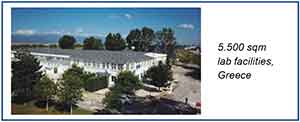
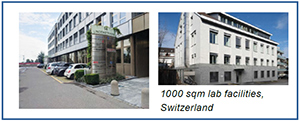
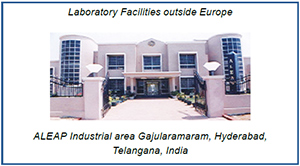
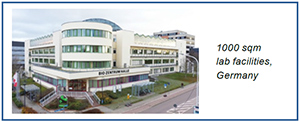
RGCC International has established a network of laboratories to foster its multidisciplinary approach. These facilities operate through collaborations among specialists in molecular biology, genetics, and cellular biology. The company’s venture into drug development has further broadened its scope as this has brought medicinal and computational chemists into the fold. This strategic expansion underscores its dedication to integrating a broad range of scientific disciplines, a crucial factor in driving advancements in both cancer treatment and diagnostics.
The strategic positioning of these laboratories across different regions capitalises on the strengths of each locale. For example, Switzerland is known for its expertise in analytical and medicinal chemistry, Germany is renowned for its esteemed bioscience capabilities, and India is recognised as a hub for developing small molecular-weight candidate drugs.
The samples collected from these locations serve as the foundation for a multi-level investigation that spans genomic, transcriptomic, and proteomic analyses. By integrating scientific innovation with clinical realities, researchers contribute to the academic discourse and actively drive meaningful advancements in cancer care.
Superlative Research Approach
One of the challenging research areas that Dr. Papasotiriou and his team have taken on is liquid biopsy in oncology, a topic often overlooked in the mainstream. However, there is now a growing interest in liquid biopsy, particularly in the context of ctDNA and the use of next-generation sequencing (NGS) techniques.
RGCC International emphasises the importance of DNA as a library, with ctDNA representing only a fragmented portion of the tumour’s original DNA. This presents two significant challenges—the lack of a comprehensive dataset and the uncertainty surrounding the expression of this fragmented DNA. Given that most therapies worldwide target proteins rather than DNA or other biomolecules, this is a critical aspect that had previously been unaddressed.
Dr. Papasotiriou has integrated epigenetic and cellular assays into RGCC research approach. This integration places the company ahead of prevailing trends and has proven extremely effective in the novel target identification phase of drug development.
Dr. Papasotiriou says, “We reinvest 85 percent of our income directly into further research, which we wouldn’t be able to do if we brought in external investors. Our goal extends beyond treating the vast array of cancer types that exist. We aspire to develop novel therapies for the future, whether they involve small molecular weight compounds, biomolecules, advanced therapies, or cellular therapies.”
This vision is further exemplified by RGCC’s proficiency in flow cytometric and sorting techniques, particularly in isolating rare cells from blood samples. Its development of sophisticated methodologies and gating systems has significantly advanced this field.
Early Adoption and Expertise in 3D Culturing Techniques
RGCC also stands out for the early adoption of 3D culturing techniques. This has enabled it to create an exclusive cell banking repository derived from patients in 3D cultures.
This collaboration signifies a shift towards more efficient, accurate, and potentially revolutionary methods in the development of new pharmaceuticals.
Our Focus Lies On Pushing The Existing Boundaries Of Clinical Protocols And Enhancing The Quality Of Treatments. Whether It Is By Utilising Current Pharmaceuticals Or Pioneering New Therapies, Our Goal Is To Continually Improve And Innovate In The Realm Of Personalised And Precise Cancer Treatments
-
We Reinvest 85 Percent Of Our Income Directly Into Further Research, Which We Wouldn’t Be Able To Do If We Brought In External Investors. Our Goal Extends Beyond Treating The Vast Array Of Cancer Types That Exist. We Aspire To Develop Novel Therapies For The Future, Whether They Involve Small Molecular Weight Compounds, Biomolecules, Advanced Therapies, Or Cellular Therapies
Despite reservations, the findings were boldly presented in a poster at last year’s American Society of Clinical Oncology (ASCO) conference. The discovery gained traction. The TMX-2 receptor, as identified, became a focal point for numerous laboratories. While its use as a druggable target presents challenges due to its location, it has proven valuable as a biomarker.
By establishing robust communication channels between the clinical world and the laboratory today, RGCC aims to stand tall among clinicians and develop more effective cancer treatments on a time-efficient and global scale.
