



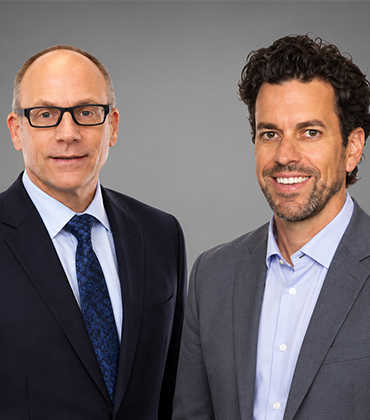
 Jason Severtson, CEO and Jon Harol, Founder
It works with organizations that rely on diagnostics to advance patient care, research, and innovation. Rather than functioning as a laboratory itself, the company provides solutions to diagnostic laboratories without competing with the clients it serves. Lighthouse’s approach enables laboratory owners and operators to access expertise throughout the lifecycle of a laboratory.
From developing laboratory plans and obtaining CLIA certifications to validating tests and establishing quality systems, Lighthouse helps clients create compliant laboratory operations. The company also supports medical oversight by providing qualified laboratory directors and helps organizations build teams with appropriately credentialed personnel across laboratory roles.
Addressing Industry Challenges
Clinical laboratories face persistent challenges involving staffing shortages, reimbursement changes, regulatory requirements, and operational efficiency. Lighthouse addresses these issues by combining scientific understanding with practical business guidance.
Jon Harol, Founder, Lighthouse Lab Services, explains, “We help advance life science discoveries. If someone identifies a new biomarker or something that has diagnostic significance in the lab, we take it and commercialize it by bringing it into the clinical diagnostic environment.”
The company assists organizations with test validation, laboratory design, instrument selection, payer credentialing, coding guidance, and reimbursement strategies. By understanding both the scientific and commercial sides of laboratory operations, Lighthouse helps clients avoid common obstacles that can delay growth or limit success.
Support Across the Full Laboratory Lifecycle
As an integrated laboratory services platform, Lighthouse supports clients at every stage: Build, Operate, Optimize, and Grow. The company helps organizations plan, design, license, validate, staff, and launch laboratory operations. It provides medical leadership and manages people, systems, equipment, quality, and daily performance. It improves workflows, technology, instrumentation, compliance, reimbursement, and cost efficiency. And it helps clients expand capabilities, capacity, markets, and commercial reach. Clients gain one performance partner for a focused need or coordinated end-to-end support, with room to expand as their needs evolve.
Creating Measurable Value through Expertise
Lighthouse tracks project timelines and focuses on helping clients bring laboratories online efficiently. The company supports physician office laboratories by evaluating testing opportunities, reimbursement potential, operating costs, and expected financial outcomes before implementation.
Jason Severtson, CEO, Lighthouse Lab Services, says, “Laboratories need support throughout their lifecycle. Lighthouse brings together the expertise, people, and technology to help clients build, operate, optimize, and grow, whether they need a specific service or broader operational support.”
Beyond consulting, Lighthouse provides instrument service support through a national network of field service engineers. This capability helps organizations manage laboratory equipment maintenance and reduce the complexity of coordinating multiple service providers.
Preparing Laboratories for the Future
The laboratory industry continues to evolve with advances in areas such as next-generation sequencing, early disease detection, artificial intelligence, and data-driven healthcare. Lighthouse remains focused on expanding its capabilities while helping clients adapt to changing regulations, reimbursement models, and market demands.
The company’s experience across multiple areas of laboratory operations positions it to support emerging opportunities in diagnostics. By connecting scientific innovation with practical implementation, Lighthouse helps organizations bring testing solutions to patients.
Lighthouse Lab Services has been named Top Clinical Laboratory Consulting Services 2026 by Life Sciences Review, recognizing its comprehensive support model and commitment to helping laboratories develop, operate, and scale successfully. Through integrated expertise and client-focused partnerships, the company continues to serve as a resource for organizations seeking guidance in clinical diagnostics nationwide.
What Clinical Labs Need From a Laboratory Partner
Running a clinical laboratory is a series of connected decisions that extends well beyond launch. A CLIA application, test validation, personnel qualification and payer enrollment have to move together before the first specimen is run. Once testing begins, medical oversight, staffing, instrument uptime, quality and reimbursement determine whether the laboratory performs. Problems usually come from dependencies recognized too late rather than from a single technical failure. Laboratory partners should therefore be judged on how well they understand the full lifecycle and whether they can coordinate work as one stage hands off to the next.
Building a laboratory starts with regulatory depth. Clinical testing sits inside a tightly controlled framework that governs certification, test validation and personnel qualifications, and state requirements add another layer when specimens cross state lines. A capable partner identifies which approvals apply, prepares the documentation for each stage and keeps validation moving alongside certification rather than treating them as isolated projects. Facility design, instrument selection and staffing belong in the same plan, because small sequencing errors at this stage can push back go-live dates.
Operating the laboratory deserves equal scrutiny, because compliance depends on who performs and supervises the work. Laboratories need qualified testing personnel and medical leadership, and shortages can make both difficult to fill quickly. Buyers should examine whether a partner understands credentialing requirements and how personnel will function inside the laboratory, not only whether it can recruit. Day-to-day performance also depends on equipment, quality systems and service response. A partner with a national field service network can keep instruments running without forcing the laboratory to coordinate several outside vendors.
“Lighthouse Lab Services gives clients one performance partner for a focused need or coordinated end-to-end support across the laboratory lifecycle.”
Optimization is where many laboratories leave value unrealized. A scientifically credible assay can still struggle if reimbursement was not considered early. Payer credentialing, coding practices and denial management determine whether test volume becomes collected revenue. Workflows, technology, instrumentation and compliance processes also need regular review as volume and regulations change. Support is more useful when it connects these areas rather than waiting until claims problems or bottlenecks appear. For physician office laboratories, that also means testing expected volume against reimbursement and cost assumptions before capital is committed.
Growth adds its own demands. Expanding test menus, capacity or markets requires the same regulatory, staffing and reimbursement groundwork as launch, often while existing operations continue. Owners and investors managing several sites also need consistent standards and visibility across locations. Buyers should look for a partner that can support expansion without disrupting what already works. Breadth alone should not determine the choice, however. The right provider separates its services cleanly, preserves work already handled well in-house and adds expertise only where gaps exist.
Lighthouse Lab Services is an integrated laboratory services platform for organizations that operate laboratories or depend on laboratory capabilities. It helps clients build, operate, optimize and grow, bringing together laboratory startup consulting, regulatory and validation support, medical leadership, staffing, revenue cycle management, instrument services and technology under one provider. Clients can engage Lighthouse for a focused need or coordinated end-to-end support, and expand that support as requirements evolve. For organizations managing several interdependent laboratory requirements, that combination makes Lighthouse Lab Services a practical partner when reducing handoff risk, sequencing work correctly and improving ongoing laboratory performance are central to the decision.
...Read more
Clinical Laboratory Consulting Services Info
Q1
What Do Clinical Laboratory Consulting Services Include?
Clinical Laboratory Consulting Services help organizations plan, establish, manage and improve medical testing operations. These services can cover laboratory design, equipment selection, regulatory compliance, test validation, staffing and financial management. The scope depends on whether an organization is opening a new facility or improving an existing one. Effective consulting connects technical requirements with operational planning, helping laboratories establish reliable workflows, meet applicable requirements and develop a sustainable approach to diagnostic testing.
Q2
How Does Lighthouse Lab Services Support Laboratory Development?
Lighthouse Lab Services supports laboratory development through services that span initial planning and ongoing operations. Its capabilities include site selection, laboratory buildout, CLIA registration, equipment procurement and test menu design. The company also assists with staffing, method development, equipment validation and preparation for initial inspections. This range of support helps organizations coordinate the practical requirements of launching a laboratory rather than managing each development stage independently. Its services also extend beyond initial implementation.
Q3
When Should an Organization Consider Laboratory Consulting?
Clinical Laboratory Consulting Services can be useful when an organization is establishing a new testing facility, adding diagnostic capabilities or addressing operational challenges. Consulting may also help when regulatory requirements change, staffing becomes difficult or existing processes need closer evaluation. The appropriate scope depends on the laboratory's objectives, available resources and current operating conditions. Before engaging a consultant, organizations should identify their immediate priorities, determine where specialized guidance is needed and establish measurable goals for the engagement.
Q4
What Factors Matter When Evaluating Clinical Laboratory Consulting Services?
Clinical Laboratory Consulting Services should be evaluated according to the specific technical and operational needs of the laboratory. Relevant considerations include regulatory knowledge, experience with laboratory workflows, equipment and validation requirements, staffing capabilities and financial processes. Organizations should also clarify project responsibilities, implementation timelines and the support available after launch. A well-defined engagement establishes who will manage each stage, how progress will be assessed and which resources are needed to maintain reliable laboratory operations over time.
Q5
How Does Lighthouse Lab Services Address Operational and Compliance Needs?
Lighthouse Lab Services combines laboratory consulting with related operational capabilities, including recruiting and staffing, laboratory management, revenue cycle management and instrument services. Its laboratory startup process also includes assistance with credentialing, standard operating procedures and staff training. These capabilities connect technical readiness with the administrative requirements of running a laboratory. Clinical Laboratory Consulting Services that address both areas can help organizations identify gaps in their processes, coordinate implementation and maintain closer oversight of performance and compliance responsibilities.
Q6
How Can Consulting Help Laboratories Improve Long-Term Performance?
Clinical Laboratory Consulting Services can help laboratories assess workflows, resource allocation, compliance practices and financial processes as their needs evolve. The goal is to identify practical improvements without overlooking testing quality or regulatory responsibilities. Laboratories may need different forms of support as testing volumes change, equipment requires attention or new services are introduced. Clear performance measures, documented procedures and periodic operational reviews provide a basis for evaluating progress and deciding which improvements should receive priority.
