


Recordati [BIT: REC]
What About Rare Diseases - Canada's National Strategy to Support Innovation and Access
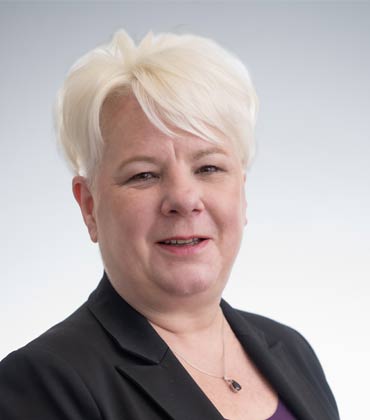
France Lebel
My passion for rare diseases started in the early 90s when I studied a rare genetic metabolic disorder, Tyrosinemia Type 1, and its founder effect in Quebec. At the time, the mutation was unknown, infants were put on a liver transplant list at birth, and survival rates were very low. The only treatment was a low-protein diet. These patients and their families suffered immensely. Fast forward to today, the mutation has been identified, an oral treatment with nitisinone has been added to the low-protein diet and survival rates above 90 percent can be expected.
Thanks to the advancement of science and research, individuals with some previously fatal diseases can thrive while patients affected by other rare diseases still hope for treatments.
A rare disease is a condition that affects less than one person in 2000 in their lifetime. While the prevalence of each rare disease is low, it is estimated that there are >7000 rare genetic diseases. About one in 12 Canadians, approximately 3 million people and their families are impacted by a rare disease. Of those, two-thirds are children, and the majority have significant disability, with a risk of early death. Most importantly, for almost all these diseases, no targeted treatment is available. Families and patients with rare conditions face many challenges, including delays in diagnosis, misdiagnosis, unnecessary surgeries, financial difficulties, and social isolation.
Families and patients with rare conditions face many challenges, including delay in diagnosis, misdiagnosis, unnecessary surgeries, financial difficulties, and social isolation.
These statistics show that we have a lot of work ahead of us to help the rare disease community. Yet I am very optimistic about research in this area because advancement is faster than we can imagine. Once research identifies successful treatments, access for patients is imperative.
In Canada, patients can wait up to two years for access to approved medicines. This is true for patients with rare and non-rare conditions, but the impact for those affected by rare illnesses can be more pronounced.
Until 2023, Canada was one of the few developed countries that did not have an orphan drug framework. In March 2023, the Government of Canada announced a three-year investment to support the first National Strategy for Drugs for Rare Diseases. The national strategy aims to increase accessibility and affordability of drugs for rare diseases across four pillars: first, to seek national consistency in coverage; second, to support patient outcomes and sustainability; third, to collect and use evidence; and fourth, to invest in innovation.
This funding aims to help provinces and territories improve access to new and emerging drugs for Canadians with rare diseases, as well as support enhanced access to existing drugs, earlier diagnosis, and more screening for rare diseases. This will help ensure patients with rare diseases, especially children, have access to treatments as early as possible, for a better quality of life.
I am excited about the future of diagnosing and treatment for rare diseases. Implementation and success of the national strategy will require collaboration between representatives of public and private drug plans, patients and clinicians, the pharmaceutical industry, and other stakeholders.
Over my three decades in the biopharmaceutical industry, I have witnessed firsthand the improvement in the awareness and understanding of the impact of rare diseases on patients and their families. I firmly believe that now, all stakeholders are ready and willing to come together to help improve the lives of Canadians affected by a rare disease.
Recordati Rare Diseases Canada is part of the Recordati Group, a global Italian pharmaceutical company that is dedicated to developing innovative, high-impact therapies. Our focus is mainly on those who we believe need it most—people affected by rare diseases. Rare diseases aren't just in our name; they are at the core of all that we do. We work side-by-side with rare disease communities to raise awareness, educate, and advocate for improved diagnosis and treatment.
In Canada, my team and I are focused on genetic metabolic disorders for urea cycle disorders, organic acidemias, homocystinuria, cystinosis and porphyria. We also have therapies for rare endocrinology disorders, such as Cushing’s disease and acromegaly. More recently, therapies for rare cutaneous T-cell lymphomas and Castleman disease, a rare nonclonal lymphoproliferative disorder, were added to our portfolio.
I have worked in many different therapeutic areas, and working with rare diseases motivates me every day.
At Recordati Rare Diseases, we strive to focus on the few by unlocking the full potential of life.
