


Guardant Health
The Rise in Outsourcing Clinical Trials
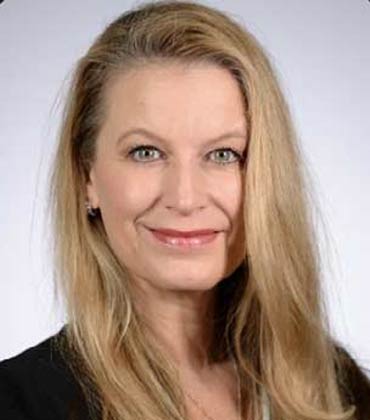
Erika Vento-Gaudens
As a Director of Global Clinical Trial Operations at Guardant Health, Erika Vento's primary responsibilities are to drive clinical operations and program management strategy, including multi-scale FSP/RBM (RBQM) models. Erika has more than 25 years of experience working within both sponsor and contract organizations in the biopharmaceutical industry. She leads with an effective communication style that cultivates strong cross-functional team and interdisciplinary relationships, supporting (local or global) clinical trial development and execution in complicated business matrices.
What changes do you anticipate in 25 years of experience in clinical trial management?
In my years of expertise, I've observed sponsors moving more strategically toward outsourcing their services to a CRO to become more efficient and cost-effective. Earlier pharmaceutical companies tend to have in-house staff. By using CROs, sponsors can boost their flexibility by decreasing their need for full-time internal staff and expanding their access to a wider range of expert external resources. This outsourcing trend is only set to continue and steadily increase in the future. At Guardant Health, we have decided to use a hybrid strategy for our entire clinical trial. As a result, we have both internal resources and CROs available to provide study operations services.
What have contract organizations experienced in the last 12 to 18 months that has changed significantly?
The rapid migration to digital technologies due to the pandemic will last throughout the recovery. Technology enabled everyone to communicate on the same page to support clinical operations. We modified our monitoring and operational style across teams, ensuring where the data was going and how long it was being stored and checking with IT to ensure that the servers were safe and compliant with all legal requirements. One of these changes involves the increased use of video conferencing through Zoom for business meetings and communication.
In addition, we strive to treat everyone with great courtesy and respect while using our sites and teams.
Would you like to talk about developing organizational silos?
It's important for employees to share ideas and work well together for a successful business. Organizational silos appear to me differently. It can influence how workers communicate with one another. Sometimes, certain departments don't need to know everything that's happening in other departments unless they're directly involved. For example, if a company is audited, they don't give a wrong answer to an auditor, and it prevents them from disclosing information that they might have unintentionally learned. However, there is a time and place to be in silos. It brings the right people to the table and ensures everybody can work as a team. Team-building exercises can encourage cross-departmental collaboration among employees and allows them to foster positive workplace relationship.
I believe introducing new hires to the team in a deliberate and meaningful way organizations can build a stronger, more cohesive team
What would be your single piece of advice for the upcoming professionals in this field?
My sole piece of advice is to value your employees. I believe organizations may create a stronger, more cohesive team by introducing new hires to the team deliberately and meaningfully. It allows existing team members to learn about the new hire and what they bring to the table. More importantly, everyone should believe that their opinions matter and that they have the freedom to express themselves. The opinions of everyone can aid businesses in making quicker and better decisions.
