


Charles River Laboratories
Specialized Services: A New Paradigm in Therapeutics
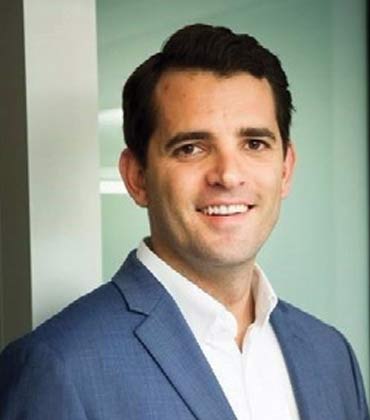
Brian D. Fry
Brian Fry has over 16 years of experience in the contract development and manufacturing industry with a heavy focus on biologic drug development. Currently, he serves as Senior Director of Cell Therapy CDMO at Charles River Laboratories. Brian's continuous growth within the Biologics space has enabled him to seamlessly guide clients through various complex requirements throughout the drug development continuum.
What are some of the challenges that you have witnessed in therapeutic space?
The biggest challenge the therapeutic space is currently facing is the rise in demand for in-house manufacturing facilities for producing drug products. The traditional options are to develop a manufacturing plant to "make" capacity or to engage the services of a contract development manufacturing organization (CDMO) to "purchase" capacity. Sometimes, therapeutic developers believe that they are ideally suited to manufacture their products because many cell therapies require highly sophisticated production processes. Additionally, there is a common misconception that in-house manufacturing will be cost-effective. Building your own manufacturing plant for cell and gene therapy may seem like the way to go for many companies, however, the return on investment ends up being much more complicated. For large, established pharmaceutical companies with other commercial products, the burn rate on a manufacturing facility may not be hugely impactful, but for small to midsize pre-revenue biotech companies, it can make an incredible difference. If the facility isn't utilized properly, more investment will be required, and in the past years, the industry has seen a number of companies divest their homegrown manufacturing facilities to CDMOs to try and make back part of the original investment.
What are some of the trends that have been prevailing in the market lately?
A current notable trend includes small to midsize biopharmaceutical companies building their own manufacturing capacity. I would caution any company considering building their own manufacturing facility to reevaluate whether to build or “buy” from a CDMO.
How do you envision the future of the therapeutics space for the next 12 to 24 months?
As therapeutic technologies mature, I believe that personalized cell therapy manufacturing will revolutionize the treatment of rare and challenging diseases. Additionally, the potential for allogeneic cell therapy coming to market at large scale will have a transformative impact on the number of patients that can be treated, increasing cell therapy production while also lowering treatment costs.
When comparing the cost of building a manufacturing facility, therapeutic developers should consider the cost difference in working with a CDMO, who not only have pre-built facilities, but strong scientific benches of industry-experts
to guide the process
Could you tell us about any latest project initiatives that you are working on?
We want to be able to serve our customers as they expand and seek to create cutting-edge therapies. We are starting to support the commercial-scale manufacture of cell treatments in addition to preclinical and pivotal phases.
What would be your single piece of advice for the upcoming professionals in this field?
I would suggest that biotech companies review license terms for the cell banks that generate plasmid DNA and viral vectors. They can then check for flexibility in the ability to take these cell lines to another provider. It can happen that you are happy with your current provider, but later they might not be able to meet your demands. It could prove to be a major challenge in terms of both time and financial investment. When comparing the cost of building a manufacturing facility, therapeutic developers should consider the cost difference in working with a CDMO, who not only have pre-built facilities, but strong scientific benches of industry-experts to guide the process.
