


BeiGene
Redefining Efficiency in Clinical Operations
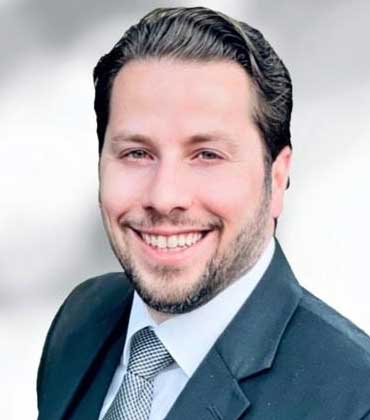
Alaeddin Homsi
Alaeddin Homsi is an accomplished clinical research leader with extensive experience in biotech, large pharma, and CROs. Having a strong background in oncology clinical development, he has managed all phases of clinical trials for both solid and hematologic cancers, including early development, efficacy, registration, and post-marketing stages. He currently serves as Executive Director and Clinical Operations Head of Americas at BeiGene, a global biotechnology company, and plays a crucial role in shaping and executing clinical operations strategies in North, Central, and South Americas.
In an interview with Life Sciences Review, Alaeddin Homsi, Executive Director of Clinical Operations at BeiGene, shares his opinion on building a world-class clinical operations team and provides insights into its scalable building model.
What is a pain-point existing in the pharmaceutical industry today?
Drug development is highly regulated, lengthy, expensive, and there is still a high unmet need globally for high quality, accessible and affordable oncology therapeutics. I am currently at BeiGene, where we aim to create innovative, affordable medicines specifically for cancer patients. We also intend to reduce spending on clinical trials, identify ways to expedite the drug development process, and develop therapies that are accessible to people around the world. We have also successfully built a predominantly global in-house clinical operations team capable of running pivotal phase three trials.
Could you please share more details about the project and your experiences there?
We are building the infrastructure which involves scientifically driven people, strength in our processes, strategic site collaborations, and patient-centric initiatives. Last year, our global clinical operations team built its in-house learning and development team. We also have built a global, predominantly in-house trial master file team to make sure our trials are conducted with the highest quality, and we have trial master files that are inspection ready.
We are also forming strategic site partnerships across the globe and introducing new molecules into the clinic for various modalities, treatment paradigms and indications, namely for cancer patients. More importantly, we include our key partner sites at the early ideation stage itself. So, when we develop the clinical development plan, it gets feedback directly from the researchers, making sure whatever we do is not just coming from a scientific perspective, but a clinical one.
Within my role as a clinical operations region head, clinical site partnerships have been one of the most fruitful endeavours I have been involved in. Earlier, the scientific discussions between our medical teams and sites rarely translated into an operational strategy. Here, I started including my team and operational staff into these discussions so that the valuable conversation matures and continue with regular cadence and governance. We establish a mutually beneficial model where we make sure that the research site and their trial sponsor are aware of each other’s operations. This allows faster, more efficient, more effective execution of tasks, and with better quality. The objective of these partnerships is to make us the sponsor of choice; and when there\'s a need for innovative medications and an interest in research, they come to us.
We ensure governance meetings are held once a month. It allows regular operational and scientific leadership discussions that involve analysing patient/clinician perspectives, reviewing our portfolio of studies, understanding performance indicators, working through barriers and challenges, and discussing innovation. Even our senior executives pay occasional visits to sites to check if everything aligns with the aims and requirements of both the parties involved.
There are many operational advantages for site partnerships. When our team knows the site, its staff, how it operates, and how the sites support their patients and their journey, it makes us much stronger as an organization. From a clinical perspective, knowing the patient population and their disease makes us anticipate recruitment challenges and face them head on. At the institution level, we find ways to make our collaborations easier from start to finish. We negotiate master agreements with the site and put together rate cards to make the contracting faster. When we introduce new SOPs, or changes in communication channels, we can share it with the sites so that they can stay abreast of our operational model, and vice versa, ensuring no delays in the trial start-up and conduct process.
We aim at creating more affordable medicines specifically for cancer patients, reducing spend on clinical trials, identifying ways to expedite the drug development process, and developing therapies that are accessible to more people all around
Apart from clinical trials, we also explore other related topics through our site partnerships. One example is clinical trial diversity. Following the Omnibus Bill passed by the US government, the FDA is tasked to make sure that both sponsors and physicians recruit diverse and underrepresented patients in clinical trials so that trials are representative of the population a drug candidate plans to serve. With our partners, we are looking for ways to support various community outreach, organize events for specific diseases, sponsor local patient advocacy, cater to historically black colleges and universities and identify potential avenues to support trials in underrepresented regions. Finally, we also have opportunities to dig deep into innovation and technology and we are planning to have some very good synergies to help the sites function more efficiently.
Are there any other projects you are currently working on and you would like to share with us?
We are a 13-year-old company. In terms of new molecules coming to the clinic, we are planning to achieve in the next 18 months, what we have achieved over the past 13 years. The only way to do that is by building a scalable model, tested processes, and high performing collaborations. Thats what we are doing now. By building operational site partnerships, we are stronger, work faster, and can move clinical development forward without outsourcing. We also have internal drug manufacturing capabilities, helping us to avoid over reliance on external providers as much as possible. It is a risky endeavour but, highly rewarding. Im proud to work for a company aiming to increase access to more cancer patients globally. Building a world-class clinical operations organization to defeat cancer is my mission and partnerships are at the core.
