


Wisconsin Diagnostic Laboratories
Generational Influence and Retaining Staffing in the Clinical LABORATORY
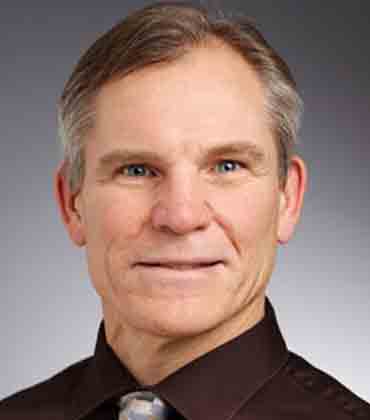
Michael Baron
Gentle Leadership for a Multigenerational Workforce
I have been in the clinical laboratory setting for over 34 years and I have noted a shift in lab culture and team member expectations. I largely filled leadership roles within my time in the laboratory and I often faced the dissatisfaction of the team members. I have found that most lab scientists joined the lab to be in a role to support patient care without the discomfort of interacting directly with the patient. Working in the lab often requires rotating weekend work schedules, working on holidays and most often a regimented work shift. This work schedule is often a dissatisfier by itself. In my early years in the lab, most were happy to have a job and the schedule was a necessary evil one had to endure, which you certainly did not complain to your boss, as they reminded you that you are lucky to have this job. At this time, the workforce was dominated by the silent generation and baby boomers.
Fast forward to current day, the lab workforce is dominated by Millennials, Gen X and a rising number of Generation Z. I looked at my laboratory makeup, Wisconsin Diagnostic laboratories (WDL) consisting of 440 team members, and the breakdown is Baby Boomers (10.6%), Gen X (29.2%), Millennials (37.2%) and Gen Z (23%). I would expect most labs to have a similar makeup. One does not experience the same level of feeling lucky to have a job, but rather pushes for the employer to make a more positive and satisfying work environment. I believe this is a movement driven by the dominance of the Millennials and the growing number of Gen Z in the workplace. The days of an authoritative leader driving the team to work harder has passed. One needs to adopt a supportive and gentle leadership role.
Creating a Positive Working Space in Modern Laboratories
I believe in creating a positive workplace where a team member gains self-worth and pride in the work they perform. As the term implies, work is expending mental or physical effort, which is not always pleasant, especially when one is overwhelmed and tired. If a team member is not engaged in their work, it will quickly become unpleasant. This can become the member who will leave the organization in search of a more enjoyable work environment.
"The days of an authoritative leader driving the team to work harder has passed and one needs to adopt a supportive and gentle leadership role."
A well noted trend is that younger generation workers have shorter longevity (about a year) with the turnover in the first year reaching 50%. One factor is the expectation of a generous work life balance. To meet this expectation, many laboratory leaders are implementing alternative scheduling (i.e. 4 x 10-hour days), softening attendance policies, employing automation and AI tools and promoting various pay incentive bonuses. The employer intent is to improve retention and improve the work force satisfaction.
Retention Strategies for a Long, Satisfied Workforce
With the shortage of certified medical laboratory technicians and scientists, laboratory leaders are motivated to implement these workplace practices to improve retention of these lab professionals. Due to the cost of recruiting and training lab professionals, finding retention solutions are often considered essential. Leaders are hearing more about burnout in the workplace. Engaging and finding out what will help retaining your team members is a worthwhile exercise. The key is to act on what you are hearing, as these needs can vary by laboratory. A question I often raise; how far do you go to keep your team satisfied?
As an alternative approach, I have been developing the certified medical lab scientist at WDL. We hire bachelor science graduates and provide them with classroom instruction in clinical laboratory science while they train in the lab and develop competency, with the expectation that they will gain certification. This approach allows us to recruit the candidate who we believe is the best fit for the lab and will support longevity. We are further developing a medical lab assistant role, which allows a high school educated member to support many lab functions. We also provide them with appropriate classroom instruction to support them in this role. This has met success and has met longevity expectations.
The current laboratory leader needs to acknowledge the need to meet the work life balance expectations as Gen Z grows in the work force. Be an active listener and do your best to understand these needs. Do not be afraid to try various retention approaches, as they can be successful. However, recognize you have a lab to run and these can only go so far. Be open to alternative staffing solutions, as developing a best fit team member can promote longevity and develop a healthy and satisfied workforce.
