


Wisconsin Diagnostic Laboratories
Driving Quality in Laboratory Operations
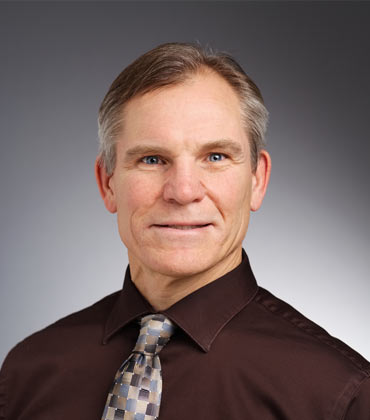
Michael Baron
From Military Leadership to Clinical Laboratories
Started In the clinical laboratory through a non-traditional approach as a biology bachelor degreed person departing from the US Army, as a field artillery officer. Rockford Memorial Hospital established a program to teach me in the classroom about clinical chemistry, as I learned to work the chemistry benches and after a year, I was able to become ASCP certified clinical chemistry technologist.
I took my Army leadership training and brought this into the laboratory, which included leading by example, establishing clear expectations, ensuring accountability, striving for continual improvement, as we placed patient care as the number one priority. On my team, one gains satisfaction and personal pride from a job well done, which promotes loyalty and team member retention.
Solving Staffing Gaps Through Training
Gaining and retaining qualified technical staff is critical for maintaining a highly functioning laboratory. There are not enough colleges with traditional programs to meet the staffing demands, and the retiring baby boomers are adding to the staffing shortages. Within Wisconsin Diagnostic Laboratories (WDL) I have promoted a non-certified Tech (NCT) program to fill the staffing holes. A bachelor degreed candidate meeting CLIA 88 requirements is hired and educated on the bench and in the classroom to ultimately become ASCP certified in the lab area they work.
I am working to further develop relationships with local universities to identify candidates for this program. With Milwaukee Area Technical College (MATC) I am working on a partnership to create an online classroom instruction program to educate the NCT while they learn the bench. I have gained interest from other large laboratories in Wisconsin and have hopes this online education can be expanded across the state and potentially across our state borders. This allows other labs to generate technical team members through an NCT program of their own, which can support a single specialty to becoming a lab generalist. I encourage these labs to have these candidates to become certified in the specialties they are trained in.
I believe a strong work ethic and an engaged team member is a must for labs success and technology cannot fully replace these human factors.
Bringing in the right technical candidates, providing exceptional training, and establishing clear expectations with associated accountability standards is how a laboratory can achieve high operational efficiency and support accurate or quality testing. At WDL I focus on the 12 quality system essentials (QSE) though a formal ISO15189 accreditation to promote testing efficiency, testing accuracy and strive for continuous improvements. This is only possible through a fully staffed laboratory made up of highly motivated and engaged leaders and team members, armed with the education and knowledge to support continuous success.
Balancing Technology with Human Expertise
Growing technology with automation and AI has added additional tools to support operational efficiency. These tools need to have appropriate scrutiny to ensure they align with the processes and goals of the laboratory. These tools cannot replace the development and training of a highly functioning team, though they support the growing demands in the lab. I believe a strong work ethic and an engaged team member is a must for labs success and technology cannot fully replace these human factors.
The clinical laboratory is a stable and growing field, and many routes come into the laboratory. Be proactive and reach out to your local laboratory and ask to tour the lab and shadow in the laboratory. This is a great way to make a connection with lab leadership and for a candidate to discover what the lab has to offer and what opportunities can be available. Many schools have job fairs, and a laboratory may be participating and good way to make a connection. Many states have work development websites to be a resource to explore various career opportunities.
