


St. Tammany Health System
Revolutionizing Lab Science Through Automation, Data, and Leadership
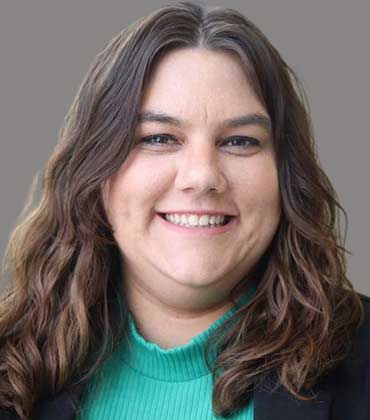
Mackey Martarona
Partnering with physicians and vendors while staying up to date with new advancements enables us to equip our lab with leading technology and deliver high-quality, efficient care to our community.”
Mackey Martarona has built an impressive career in the medical field, rising swiftly through the ranks to become the Laboratory Director at St. Tammany Health System. Her journey began as a phlebotomist, where she gained hands-on experience in laboratory operations while pursuing a degree in Medical Laboratory Science. Over the years, she progressed through key roles, including laboratory assistant, medical technologist, and chemistry department supervisor. Her leadership skills and expertise led to her promotion as Assistant Director at the Lake Charles Memorial Laboratory before transitioning to her current role. Despite her relatively young age for such a senior position, her relentless work ethic and commitment to excellence have positioned her as a respected leader in laboratory management. Her career trajectory reflects both technical proficiency and a strong capacity for leadership in the healthcare sector.
Overcoming Obstacles in the Lab
“One of the biggest challenges I face in my role is staffing. Medical laboratory science is a small specialty field, so we work closely with local colleges to accept clinical students as often as possible, providing onsite internships to train and recruit future professionals. Cultivating a healthy work environment is also key. My team and I focus heavily on ensuring employees feel heard and supported. I conduct monthly staff rounding to gather feedback from the team and ensure all suggestions are followed up on by our supervisory staff. Addressing these concerns or suggestions, no matter how minor, makes a big difference.”
Another challenge in the laboratory is supply chain disruptions. To manage this, I established open communication with our materials management team. We review orders, track backorders, and proactively address shortages in real-time. This collaboration has been crucial in maintaining the resources needed for continuous lab operations.
Communication That Saves Time
Operational efficiency depends on strong communication. Processes cannot run smoothly without open collaboration with the departments we interact with daily. I have a great relationship with our emergency and purchasing directors, ensuring we coordinate effectively across departments.
For example, nurses struggled to collect specimens quickly in the emergency department (ED) due to their workload. To address this, we stationed a phlebotomist in the ED, allowing lab work to be completed faster and helping patients receive care more efficiently.
We also work closely with our physicians to evaluate new testing methodologies and strategies for patient care. Partnering with physicians and vendors while staying up to date with new advancements enables us to equip our lab with leading technology and deliver highquality, efficient care to our community
Smart Data, Stronger Decisions, Superior Care
We are actively implementing a laboratory-specific data management system to enhance accuracy and accessibility. The lab plays a crucial role in driving services across the organization, so having reliable data readily available is essential.
Staying informed on advancements and collaborating with doctors and directors allows us to equip our lab with the best technology, ensuring high-quality care for our community.
We collect data and review it in monthly, quarterly, and annual meetings focused on performance improvement and quality indicators. The lab tracks this information and shares it with the executive team, quality council, and infection control department. If we identify any issues, we develop action plans to address them. Data accuracy is monitored daily using external systems through our Laboratory Information System (LIS). Regular evaluations—daily, weekly, and monthly—ensure that everything functions properly and continuously improves.
Keeping It CAP-Tight
At St. Tammany Health System, we are CAP-accredited, with inspections every two years. In between, we conduct interim self-inspections, creating a continuous compliance cycle. We also follow Joint Commission standards to ensure we meet all hospital accreditation requirements. We receive newsletters and participate in quarterly calls with accreditation agencies to stay updated on regulatory changes. These open-panel discussions allow us to address compliance concerns directly with peers and CAP inspectors.
Our supervisory staff meets every two weeks to discuss regulatory updates in real time. Additionally, we send out a weekly newsletter covering technical and accreditation changes. By consolidating all updates into a single platform, we ensure our team has easy access to the latest information and remains compliant.
Breaking New Ground in Medical Technology
We are one of only four laboratories in the country implementing a new automation system, a significant advancement in healthcare. This system enhances efficiency by automating several manual processes, helping address staffing shortages, and allowing our technicians to focus more on analyzing results and consulting with physicians. While they already do this, automation frees up time for more in-depth discussions, ultimately improving patient care.
Our executive team actively evaluates new technology to benefit our community. Recently, we introduced the BioFire PCR testing platform after conducting an investigative study based on physician interest. Beyond technology, we prioritize community health through screenings, ensuring uninsured or underserved patients receive proper education and care. Keeping our community informed and equipped with the latest medical advancements is a key part of our mission at St. Tammany Health System.
Big Risks, Bigger Success
My biggest advice is not to be afraid to seize opportunities when they arise. If a new position or challenge presents itself, go for it. While waiting for those opportunities, focus on continuous learning. Stay updated on new advancements in your field and look for ways to bring that knowledge to your organization.
I prioritize both professional and personal development. Right now, I’m in a leadership program and have also completed Six Sigma quality initiatives. Staying educated in both technical skills and leadership is essential. When I took my current role, I moved three hours from home—it was a big leap, but one of the best decisions I’ve made. Sometimes, taking risks leads to the greatest rewards, so don’t let fear hold you back.
