


Medix Infusion
Keeping Patients at the center of Ambulatory Infusion care
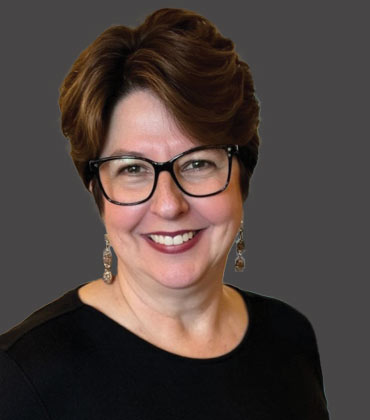
Laura Wilson
Laura Wilson is a healthcare executive with over 30 years of leadership experience. She specializes in clinical operations, patient care improvement and organizational strategy, guiding healthcare teams to enhance efficiency, strengthen outcomes and deliver higher standards of care.
A Journey through Different Care Settings
My career has been a long and winding road. I began working in home health, hospice and infusion therapy in the 1980s, when home-based infusion therapy was still evolving, and hospice services were being established. I also had the opportunity to participate in the hospice's initial accreditation process.
Over the years, I have worked across large hospital systems, national companies, franchise organizations and consulting. I spent seven years with SimiTree supporting home health, hospice and home infusion therapy consulting .
Throughout that journey, I witnessed how rapidly the home health and hospice industry evolved.
My transition into ambulatory infusion care came through a professional relationship with the former CEO of Medix Infusion, which began in the early 2010s. He needed a clinical leader who could help stabilize and grow ambulatory infusion clinics that were already operating. That opportunity brought me into my current role.
While ambulatory infusion is different from home health, many of the requirements remain the same. The medications, patient education and clinical care principles are very similar. The difference is that you are now standing up a facility in addition to delivering care.
If you design every journey, every experience with what it's like to be a vulnerable patient, either chronic or acute, you can't go wrong with what you're doing.
Balancing Clinical Care and Operational Responsibilities One of the biggest adjustments in ambulatory infusion care is that clinical leaders are managing far more than patient care alone. In many ways, they take on a landlordlike role, responsible for the facility components alongside the care being delivered. Temperature control, medication storage and equipment reliability become operational priorities. Expensive medications are stored on-site, and if a refrigerator breaks down or an HVAC system fails, those medications can be placed at risk. Those operational responsibilities become a significant addition to the care being delivered.
Another difference is the patient environment. In home health, hospice or home infusion, care is typically delivered to one patient at a time. In an infusion clinic, clinicians may be responsible for three to five patients simultaneously. That requires strong triage skills and the ability to manage multiple priorities while maintaining the same level of care and education each patient deserves.
When managing those priorities, I view everything through the patient's journey because it is the most important perspective. Other aspects of the business, including billing and reimbursement, are also essential. However, ensuring that patients receive quality care remains the priority.
Fortunately, this is not a responsibility carried by one person alone. We have an incredible team of regional managers, many of whom are nurse practitioners managing clinic operations. We also have clinical resource teams, regulatory and compliance support and training and education teams. Together, we tackle the challenges, keeping patient care and patient experience at the top of the list.
The Challenge of Finding the Right Clinicians
One of the biggest challenges in healthcare today is finding the right clinicians for this work. This type of care is not for everyone. Infusion clinics do not have the same immediate infrastructure and administrative support, so clinicians work independently. While support is available through regional leadership, clinicians are still expected to lead care delivery within their own clinic environment. They must be able to perform thorough clinical assessments while also handling highly technical responsibilities such as starting IVs for patients who may have been chronically ill and have undergone years of treatment.
There are also positives to working in an infusion clinic. Most clinics operate Monday through Friday, with only some locations open on weekends. For the most part, it is a day job without swing shifts or nighttime schedules. Even so, recruiting and retaining qualified clinicians requires ongoing effort, and keeping positions filled remains one of the industry's greatest pressures. Medix Infusion has a recruiter who has been able to source strong talent, which helps support ongoing staffing needs.
Advice for Emerging Healthcare Leaders
For healthcare professionals considering leadership roles, my advice is to do it. Nursing and healthcare have been amazing careers, and they offer flexibility and opportunity. At the same time, it is important to truly understand the industry before focusing on climbing the ladder. Take the time to learn every aspect of the business. Don't be afraid to ask, "Show me how you do this. I have no clue." Whether it is scheduling, intake or another operational function, understanding the full landscape makes you a better leader. There’s also great fun to be had in this career.
Most importantly, keep patients first. If you design every journey and experience with what it is like to be a vulnerable patient, whether chronic or acute, you cannot go wrong with what you are doing. That philosophy also shapes how I think about technology in healthcare.
Technology is playing an important role across healthcare operations, care coordination and clinical decision-making. I embrace technology and appreciate the ways it already helps improve efficiency through algorithms, call routing and document management. However, I see artificial intelligence as a support system, not the system itself.
There are aspects of healthcare that technology cannot replace. A computer cannot start an IV, be present with a patient during treatment or offer the reassurance of someone saying, “It’s okay, we’ll get through this.” When a patient has a reaction, a clinician is there to think it through with them. Even as healthcare organizations rely more on diagnostics and technology, clinical judgment and that “spidey sense” still matter when something does not feel right.
My hope is that technology will reduce documentation burdens and other routine tasks so clinicians can spend more time with patients. As I look at this stage of my career, my focus is on building bench strength and ensuring we are preparing the next generation for future leadership opportunities.
