

CLOSE

Specials

I agree We use cookies on this website to enhance your user experience. By clicking any link on this page you are giving your consent for us to set cookies. More info

Skip to: Curated Story Group 1
Life Sciences Review
US
EUROPE
APAC
CANADA

About Us

Conference

Partner With Us

  • US
    • EUROPE
    • APAC
    • CANADA
    • LATAM
  • Drug Discovery
    Antibodies
    BioTech
    Cell and Gene Therapy
    Clinical Trial
    Drug Discovery and Development
    Life Science AI
    Regenerative Medicine
    Therapeutics
  • Biomanufacturing
    Biomanufacturing
    Bioprocessing
    Blood Bank
    CDMO
    Clinical Laboratory
    CRO
    Life Science Testing
    Skin Care
    Supplements
  • Business Services
    Life Science Consulting
    Life Science Facility Service
    Life Science Financial Services
    Life Science Marketing
    Life Science Recruitment Firms
    Pharma Wholesale and Distribution
    Pharmacy Management
    Regulatory and Compliance
    Regulatory Services
  • Leadership Perspectives
  • Innovation Insights
  • Research
  • News
  • Magazines
  • CXO Awards
×
#

Life Science Review Weekly Brief

Be first to read the latest tech news, Industry Leader's Insights, and CIO interviews of medium and large enterprises exclusively from Life Science Review

Subscribe

loading

Thank you for Subscribing to Life Science Review Weekly Brief

A featured contribution from Leadership Perspectives: a curated forum reserved for leaders nominated by our subscribers and vetted by our Life Sciences Review Advisory Board.

Community Memorial Hospital

Jessica Ochis, OTR/L, CHT, Director of Occupational Therapy

Sound Healing with Tuning Fork use in Rehabilitation
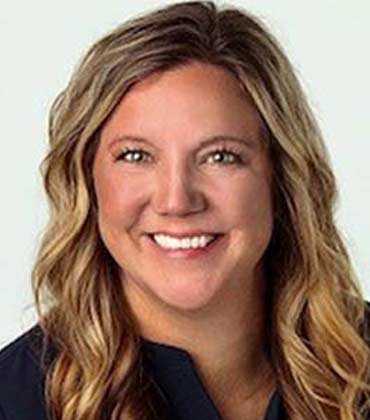
Jessica Ochis

Jessica Ochis

Occupational Therapy Authority

Tuning fork therapy in health care has grown over the past two decades; however, this modality has been used in healing for hundreds of years across many cultures. The use of tuning forks is rooted in Eastern medicine, but this practice modality continues to grow in popularity across Eastern and Western medicine. There are over twenty years of documented case studies and research on the impact of sound therapy to support health and wellbeing.


There are two styles of tuning forks: weighted and unweighted. Weighted tuning forks have weights on the ends that amplify the sound and are used directly on the body; unweighted tuning forks are used off the body and do not have the same amplitude or frequency but have a clear, precise sound.


Unweighted tuning forks are used off the body, on either side of the head and close to the ears. Unweighted tuning forks are used for relaxation and meditation and can be effective in quieting the mind. My clinical experience is with weighted tuning forks.


Tuning fork therapy is a very gentle, non-invasive, powerful modality that works with vibratory energy generated through sound.


I was first introduced to the use of tuning forks for the treatment of the upper limb by Alison Taylor, an occupational therapist and certified hand therapist. Alison has mentored many OT/CHTs through coursework and education. She has been using tuning forks to facilitate fluid movement, mobilize and remodel scar tissue, soften tissue, manage pain, and balance the nervous system. Her information, education, and exploration in treating upper extremity injuries with the use of tuning forks generated my curiosity, further research, and practice with this sound healing modality.


Tuning fork therapy is a very gentle, non-invasive, powerful modality that works with vibratory energy generated through sound. They can be used by practitioners to target specific areas of the body to promote healing and restore balance to the body. The tuning fork works with the nervous system, tissues, and more subtle energies of the body. Tuning forks can support improvement in the healing of strained muscles and tendons and increase bone density. They can also bring your nervous system into balance. It is deeply relaxing and restoring and can offer long-term benefits.


The technique with weighted tuning forks involves placing the identified tuning fork frequency on acupuncture points, muscle groups, tendons, soft tissue, scars, or points of pain to distribute and balance energy in the body. The various vibration tones of the tuning fork applications reflect back through the body’s tissues and fluids, causing them to relax and decongest. Tuning forks stimulate the flow of lymph and blood to the area of application, assisting in speeding up the healing process. When the tuning fork is used on a scar, it has more mobility; it softens, loosens, and then fluids begin to move across the scar, reducing adhesion and improving pull-through of other critical structures.


The articles from these contributors are based on their personal expertise and viewpoints, and do not necessarily reflect the opinions of their employers or affiliated organizations.

Editorial Lens

Rehabilitation professionals increasingly need thoughtful perspectives on complementary modalities that may support pain management, tissue recovery and patient comfort alongside established therapeutic practices. Jessica Ochis offers clinicians a practice-based view of sound healing that encourages informed exploration, professional judgment and patient-centered application within occupational therapy.

The Leadership Perspectives forum brings together voices shaping the future of life sciences. It features leaders who are advancing change across the industry through strategic leadership and applied insight.
EDITOR'S CHOICE
  • Willis Towers Watson

    ICON [NASDAQ: ICLR]

    The Significant Increase in Demand for Clinical Research Associates (CRAs)

    Helen Yeardley, Executive Vice President, ICON [NASDAQ: ICLR]

  • Willis Towers Watson

    PacBio [NASDAQ: PACB]

    The Talent - Culture Continuum: How to Manage an Innovation Culture Amid Growth and Change

    Alvin Hom, Head of Global Talent Acquisition, PacBio [NASDAQ: PACB]

  • Willis Towers Watson

    Repligen Corp [NASDAQ: RGEN]

    Gene Therapy-Therapeutic Viral Vectors; Manufacturing, Challenges, and Innovation

    Rachel Legmann, PhD, Senior Director of Technology, Gene Therapy, Repligen Corp

  • Willis Towers Watson

    Ionis Pharmaceuticals [NASDAQ: IONS]

    Bridging the Diversity Divide

    Victoria Sanjurjo, Medical Director, Clinical Development, Ionis Pharmaceuticals, Inc [NASDAQ: IONS]

Life Sciences Review
Follow on LinkedIn

About

  • Home
  • About Us
  • Partner With Us

Stay Connected

  • Subscribe
  • Newsletter
  • Sitemap

Contact Us

  • editor@lifesciencesreview.com
  • sales@lifesciencesreview.com
  • marketing@lifesciencesreview.com

Legal

  • Editorial Policy
  • Privacy Policy
  • Terms of Use

© 2026 Life Sciences Review. All rights reserved. Headquartered in Fort Lauderdale, FL, USA.

This content is copyright protected

However, if you would like to share the information in this article, you may use the link below:

https://www.lifesciencesreview.com/leadership-perspective/jessica-ochis-nwid-3554.html