


Charles River Laboratories
Growing Demand For More Specialized Services Specialized Services: A New Paradigm In Therapeutics
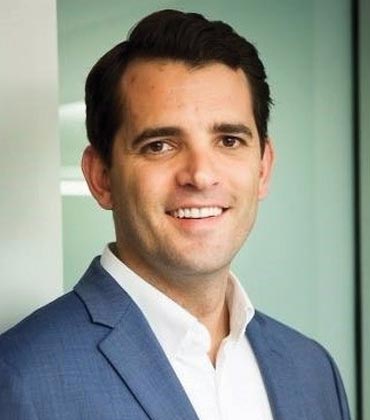
Brian Fry
Brian Fry has over 16 years of experience in the contract development and manufacturing industry with a heavy focus on biologic drug development. Currently, he serves as Senior Director - Cell Therapy CDMO at Charles River Laboratories.
Prior to joining Charles River in 2014, Brian began his career as a Business Development Manager for a reputable pharmaceutical company. Brian's continuous growth within the Biologics sales segment has enabled him to seamlessly guide clients through various complex requirements throughout the drug development continuum.
What are some of the challenges that you have witnessed in therapeutic space?
The biggest challenge the therapeutic space is currently facing is the rise in demand for in-house manufacturing facilities for the drug product. The traditional options are to develop a manufacturing plant to "make" capacity or to engage the services of a contract manufacturing organization (CMO) to "purchase" capacity. Therapeutic developers think they are the ideal people to produce their products because many cell therapies are customized or tailored. Additionally, it will be cost-effective. Building your own manufacturing plant for cell and gene therapy seems like a really good concept to me. However, it ends up being a quick way to burn out millions of dollars. It might not have an impact on well-known, huge pharmacies that make money from other commercial products, but for small to midsize pre-revenue biotech companies, this is a big deal. As a result, it can be the cause of their high cash burn rate, and if the facility isn't utilized properly, more investment will be required. In the past years, the industry has seen a number of companies offer their manufacturing facilities to other organizations. The money received by the selling organization was probably only a small portion of the total investment required to construct and maintain the facility.
What are some of the trends that have been prevailing in the market lately?
A current notable trend includes biopharmaceutical companies (small to midsize) developing their own drugs in-house. I'm optimistic that it could result in a trend of reevaluating the build or buy a model and that businesses will reconsider using a CDMO rather than creating it themselves.
I would say CDMOs must get quotes from a CMO and compare that to their past two to three-year burn rates. The therapeutic developers may consider the pricing differences to be insignificant and choose to deal with CDMOs who bring a wealth of experience and tribal knowledge to the table.
How do you envision the future of the therapeutics space for the next 12 to 24 months?
As therapeutic technologies mature, I believe that personalized cell therapy manufacturing will revolutionize the treatment of rare and challenging diseases. Additionally, the potential for large-scale allogeneic cell therapy will have a transformative impact on the number of patients that can be treated because it will increase cell therapy production while also lowering treatment costs.
The therapeutic developers may consider the pricing differences to be insignificant and choose to deal with CDMOs who bring a wealth of experience and tribal knowledge to the table
Could you tell us about any latest project initiatives that you are working on?
We want to be able to serve our customers as they expand and seek to create cutting-edge therapies. We are starting to support the commercial-scale manufacture of cell treatments rather than only the preclinical and pivotal phases. In addition, we're considering new and innovative ways to expand, perhaps to the step after the next as well.
What would be your single piece of advice for the upcoming professionals in this field?
I will suggest biotech companies review license terms for the cell banks that generate plasma and vector plasma DNA and check for flexibility in the ability to take these cell lines to another provider. It might happen you are happy with your current provider, but later they might not be able to meet your demands for any reason. Then, it could prove to be a major challenge in terms of both time and financial investment. If any company is considering developing its own manufacturing plant, compare your two- to three-year burn rate against the cost of hiring the CDMO. I bet that they will find the price differences negligible in many instances.
