
CLOSE

Specials

I agree We use cookies on this website to enhance your user experience. By clicking any link on this page you are giving your consent for us to set cookies. More info

Skip to: Curated Story Group 1
Life Sciences Review
US
EUROPE
APAC
CANADA

About Us

Conference

Partner With Us

    • US
    • EUROPE
    • APAC
    • CANADA
    • LATAM
  • Topics
    Biomanufacturing
    Biomanufacturing
    Biomanufacturing
    Biomanufacturing
    Biomanufacturing
    Business Services
    Business Services
    Business Services
    Business Services
    Business Services
    Drug Discovery
    Drug Discovery
    Drug Discovery
    Drug Discovery
    Drug Discovery
    Pharmacy Management
    Regulatory Services
    Technologies and Software
    Biomanufacturing
    Biomanufacturing
    Biomanufacturing
    Biomanufacturing
    Biomanufacturing
    Business Services
    Business Services
    Business Services
    Business Services
    Business Services
    Drug Discovery
    Drug Discovery
    Drug Discovery
    Drug Discovery
    Drug Discovery
    Pharmacy Management
    Regulatory Services
    Technologies and Software
  • Leadership Perspectives
  • Innovation Insights
  • Research
  • News
  • Magazines
×
#

Life Science Review Weekly Brief

Be first to read the latest tech news, Industry Leader's Insights, and CIO interviews of medium and large enterprises exclusively from Life Science Review

Subscribe

loading

Thank you for Subscribing to Life Science Review Weekly Brief

A featured contribution from Leadership Perspectives: a curated forum reserved for leaders nominated by our subscribers and vetted by our Life Sciences Review Advisory Board.

St. Jude Children's Research Hospital

Cindy Brasher, Pharmacy Manager of Compounding

Thinking Outside The Box For Hazardous Drug Management
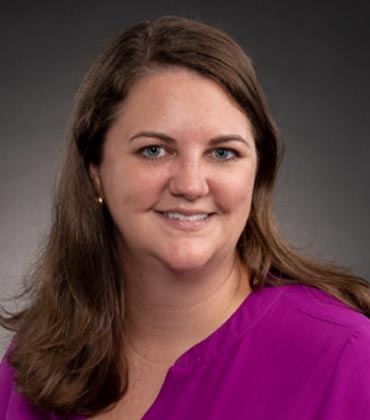
Cindy Brasher

Cindy Brasher

Pharmacy Practice Advocate

With the release of the United States Pharmacopeial Chapter <800>(USP 800), standards for handling hazardous drugs became guidelines and not just guidance documents from different organizations. A unique element for healthcare is that USP 800 goes beyond the “box” of pharmacy and impacts the receiving department, nursing and providers, custodial staff, and waste disposal staff. Instead of working in silos for each area to manage their own part in the medication use process for hazardous drugs, USP 800 encourages healthcare teams to collaborate to ensure that all aspects of drug handling meet the standards.


Healthcare teams that saw USP 800 as an opportunity to instill protections for their healthcare team members have used this standard to improve facilities and equipment, increase closed system transfer device access and use, and expand training for team members. Facilities that only saw USP 800 as an additional burden and have only attempted to meet the minimum standard have missed the overarching theme that we must protect our healthcare team members. Harm to our healthcare team members may not be immediately evident, but it is a documented issue that must be mitigated. Admittedly, there is a high cost related to hazardous drug management practices in supplies and facilities, but they are important.


For these reasons, we must think beyond several parameters, or boxes, that we try to fit pharmacy practice. First, we must collaborate with other departments within our healthcare facilities, stores, or organizations to ensure that everyone that handle hazardous medications are aware and know the steps to protect themselves through personal protective equipment (PPE), procedures, and equipment. Next, we need to leverage technology to help limit exposure to hazardous medications through closed system transfer devices, automation, and robotic technology. For pediatric oncology practices, technology and equipment evolving to meet the needs for how medications are prepared and administered for very small doses. Finally, we need to think about the caregivers and family members that may be exposed to hazardous medications at home. This recommendation goes beyond USP 800, but it is a valid concern. It would be ideal to have more manufacturer-provided oral suspension formulations for patients of all ages unable to swallow tablets and capsules to remove the need for cutting and crushing hazardous medications at home. Education, counseling, and the tools to minimize exposure at home need to be part of the care we provide to patients.


“Advocacy For Our Patients Is Something That Our Healthcare Teams Are Passionate About Doing. Advocacy For Our Healthcare Team Members Should Also Be Something That Instills Passion And Ongoing Work To Improve Hazardous Drug Management.”


Advocacy for our patients is something that our healthcare teams are passionate about doing. Advocacy for our healthcare team members should also be something that instills passion and ongoing work to improve hazardous drug management. Improvements in manufacturer-provided formulations, technology, and commitment to practices to minimize exposure to hazardous medications will play key roles in liming unintended exposure.


The articles from these contributors are based on their personal expertise and viewpoints, and do not necessarily reflect the opinions of their employers or affiliated organizations.

Editorial Lens

Hazardous drug management demands coordinated safeguards that protect healthcare workers, patients and caregivers throughout the medication-use process. Cindy Brasher’s perspective gives pharmacy and healthcare professionals a practical lens on collaboration, technology and education as essential elements of safer handling practices and stronger workplace protection.

The Leadership Perspectives forum brings together voices shaping the future of life sciences. It features leaders who are advancing change across the industry through strategic leadership and applied insight.
EDITOR'S CHOICE
  • Willis Towers Watson

    What About Rare Diseases - Canada's National Strategy to Support Innovation and Access

    France LebelSenior Director Medical AffairsRecordati [BIT: REC]

  • Willis Towers Watson

    Biogen Inc [NASDAQ: BIIB]

    Clinical Operations: Challenges, Trends, Insights

    Giovanni Guzzo, Sr. Clinical Country & Site Lead, Ass. Director, Biogen Inc [NASDAQ: BIIB]

  • Willis Towers Watson

    Biogen [NASDAQ: BIIB]

    AI and Pharma Industry

    Alejandro Bagliano, Latam South Medical Affairs Head

  • Willis Towers Watson

    Johnson & Johnson [NYSE: JNJ]

    Unlock the Power of Data

    Jijo James, M.D., M.P.H., Chief Medical Officer

Life Sciences Review
Follow on LinkedIn

About

  • Home
  • About Us
  • Partner With Us

Stay Connected

  • Subscribe
  • Newsletter
  • Sitemap

Contact Us

  • editor@lifesciencesreview.com
  • sales@lifesciencesreview.com
  • marketing@lifesciencesreview.com

Legal

  • Editorial Policy
  • Privacy Policy
  • Terms of Use

© 2026 Life Sciences Review . All rights reserved. Headquartered in Fort Lauderdale, FL, USA.

This content is copyright protected

However, if you would like to share the information in this article, you may use the link below:

https://www.lifesciencesreview.com/leadership-perspective/cindy-brasher-nwid-3755.html