


Fox Chase Cancer Center
Construction and Maintenance Risks: It's Never Just Removing a Ceiling Tile
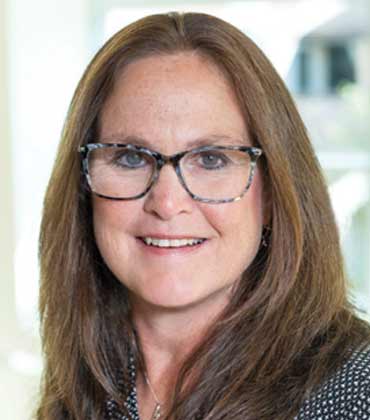
Nancy Warren
Maintaining a safe environment during construction and renovation activities weighs heavily on infection control. It is never just removing a ceiling tile or creating minimal dust. What is unseen to the naked eye is hard to quantify in terms of actual risk. Since education is the key component to keeping our patients safe, maintenance and construction crews alike must be well-versed in the ICRA process.
ICRA 2.0 was released by the American Society for Health Care Engineering of the American Hospital Association. Combining the patient risk factors with type of construction or activity, the matrix was expanded to cover all of the steps it takes to develop the appropriate class of activities. Each class defines all requirements as well as the appropriate controls to put in place.
It is imperative that all renovation, construction, and maintenance activities are properly evaluated with respect to the potential risk to the patient and the environment. Contractors and facilities staff alike need to be properly educated about the risk-assessment process and how to execute it.
Resources and education opportunities are readily available to both healthcare facilities and contractors. There are published toolkits as well as hybrid learning opportunities and training. With the updated guidance put forth by ICRA 2.0 documents, the pertinent details are available at every level of the assessment.
What is unseen to the naked eye is hard to quantify in terms of actual risk.
Facilities Management and Infection Control need to partner in a commitment to making a proper assessment of risk. Together, they can provide a perspective to validate the need to the frontline contractors. It is imperative that they understand not only the scope of the work, but the impact to patients within the site and the surrounding areas. They make the actual assessment, but not without representation from all departments and leaders who will be impacted.
The scope of work is not the only consideration for projects. Each facet of the project requires an individual assessment for potential risk during the project. Aspects of the project that go above the ceiling and/or beyond the walls of a construction activity add an additional layer of concern. The active site needs to be contained on all levels. Careful consideration needs to be given to the patient population in the support areas surrounding the active site and include services existing above and below ongoing activities.
All stakeholders involved in the project should be included to make sure that all levels of risk are appropriately evaluated. Each may have an individual perspective as to the risk and associated precautions required. To effectively protect patients, all aspects of the work need careful consideration. Mutual understanding of the final ICRA classifications and required precautions is key to successful implementation and compliance.
Here are a few tips to ensure success:
• Identify all potential stakeholders during the initial planning phase; cast a wide net within the organization. It’s better to start big and narrow focus as the project kickoff looms. Bringing in key players at the last minute can cause potential delays.
• Once there is a high-level overview of the project scope, evaluate each phase of the project and the potential ICRA requirements.
• ICRA requirements often evolve dynamically throughout the project and may require updates and changes.
• Prepare for the unexpected.
• Engage environmental services—their participation is invaluable throughout the project. They are an integral participant in keeping surrounding areas clean during construction activities, as well as providing terminal cleaning at the completion of the project.
It is worth the initial time commitment during the planning phase to ensure that the front line understand expectations with regards to ICRA 2.0 compliance. It is an investment in patient safety. With the right people and the appropriate resources, the return on investment is priceless, because we keep our patients, and all who enter our facilities, safe.
