
× 
Life Science Review Weekly Brief
Be first to read the latest tech news, Industry Leader's Insights, and CIO interviews of medium and large enterprises exclusively from Life Science Review
This article is part of Life Sciences Review's Innovation Insights series featuring expert contributions nominated by our subscribers and reviewed by our editorial team.
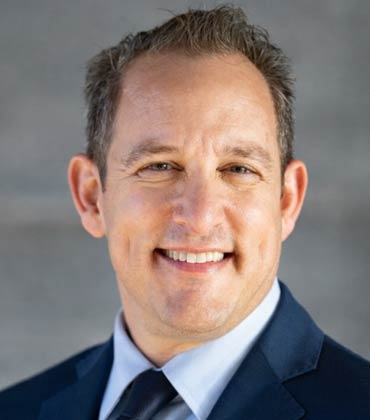
Regenerative medicine is one of the fastest-growing fields in healthcare, offering alternatives for patients seeking solutions for chronic pain, orthopedic conditions, and degenerative disorders. Yet as the field expands, one critical issue remains: inconsistent provider training.
As a physician and CEO, I’ve observed that the greatest risk to regenerative medicine isn’t the science — it’s the lack of standardized, structured education. Providers often enter this space without a unified framework for clinical procedures, patient selection, compliance, or operational workflows. This gap can affect patient outcomes, regulatory compliance, and trust in the industry.
“Innovation alone isn’t enough — training ensures that physicians deliver regenerative therapies safely, ethically, and effectively,” I often tell colleagues. This principle led us to create R3 Stem Cell’s Comprehensive Course, a structured, CME-accredited program designed to set a new standard for regenerative medicine education.
The Training Gap in Regenerative Medicine
Unlike well-established medical disciplines, regenerative medicine has grown rapidly without a universal educational standard. Physicians eager to incorporate biologics into their practice may receive piecemeal guidance or ad hoc training, leading to inconsistent application of procedures, documentation, and patient communication.
This variability poses a risk not only to individual patients, but to the credibility and long-term growth of the field. As I’ve said, “Every patient deserves care delivered with both skill and consistency. That starts with education.”
R3 Stem Cell’s CME-Accredited Comprehensive Course
R3 Medical Training addresses this gap head-on. The Comprehensive Course is CME-accredited, meaning it meets the highest standards for continuing medical education and ensures physicians receive recognized, rigorous instruction.
The course covers:
• Clinical foundations of regenerative medicine
• Safe and effective procedural workflows
• Patient screening, informed consent, and realistic expectation-setting
• Compliance and operational best practices
“Our goal was to go beyond procedural instruction,” I explain. “We wanted to equip physicians with the knowledge and confidence to integrate regenerative medicine responsibly into their practices.”
Our program emphasizes operational excellence, from concierge workflows and documentation standards to patient follow-up and handling complex cases. Providers also learn how to manage unexpected challenges and maintain compliance across multiple practice locations.
This CME accreditation is critical. It not only validates the training program but also allows physicians to earn continuing education credits while learning how to deliver biologic therapies safely and ethically.
Education Beyond Technique
A common misconception is that training in regenerative medicine is only about performing injections or procedures. In reality, technique is just one part of the equation.
-
Innovation alone isn’t enough — training ensures that physicians deliver regenerative therapies safely, ethically, and effectively.
Our program emphasizes operational excellence, from concierge workflows and documentation standards to patient follow-up and handling complex cases. Providers also learn how to manage unexpected challenges and maintain compliance across multiple practice locations.
“We designed the course so that education follows real-world application,” I say. “When providers are fully trained, patient trust increases and outcomes improve.”
Raising the Bar for the Industry
Structured training benefits not just individual practices, but the field as a whole. By setting a high standard for clinical and operational competency, R3 Medical Training helps strengthen the credibility of regenerative medicine.
Providers completing the course leave with more than procedural skills — they gain frameworks for consistent patient care, operational oversight, and ongoing compliance. This alignment ensures that innovation is supported by education, protecting patients and fostering trust in the growing regenerative medicine industry.
Looking Ahead
The future of regenerative medicine depends on more than breakthroughs in science. Education, standardization, and accountability are equally essential. With the CME-accredited Comprehensive Course, R3 Stem Cell is taking a leadership role in ensuring that training evolves alongside innovation.
“We can continue to push the boundaries of regenerative medicine, but only if we ensure every physician delivering these therapies is trained to the highest standard,” I conclude.
By investing in structured, accredited education, we can bridge the gap between innovation and patient care — ensuring that regenerative medicine not only advances, but does so responsibly and sustainably.
MORE FROM INNOVATION INSIGHTS


Drugscan
Gina Cooper, MSN, RN, NE-BC, Director, Toxicology Services, Drugscan, Inc.
Decades of Patient-Focused Laboratory Testing
EXPLORE OUR KNOWLEDGE NETWORK
The articles from these contributors are based on their personal expertise and viewpoints, and do not necessarily reflect the opinions of their employers or affiliated organizations.
