

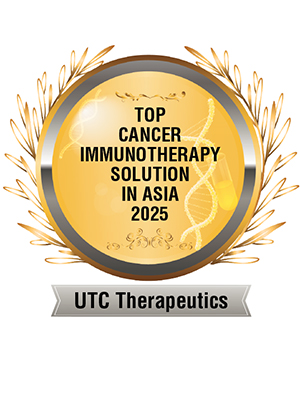
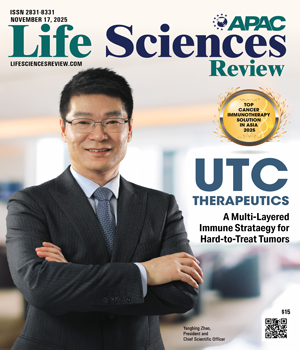
For years, the most aggressive cancers have resisted major therapeutic advances. CAR-T therapies have transformed the treatment of blood cancer. But solid tumors, such as those in the lung, liver, pancreas and kidney, continue to evade attack behind layers of immune defenses. UTC Therapeutics is pioneering next-generation immunotherapies designed to overcome the biological resistance that has long limited success in treating solid tumors. The clinical-stage biotechnology company centers its innovation on the proprietary Lymphocyte and APC Co-stimulator (LACO-Stim) platform, a first-in-class, dual-functional breakthrough that unites CAR-T technology and tumor vaccines into a single, synergistic therapy. This approach orchestrates adoptive immunity through CAR-T, and adaptive and innate immunity through tumor vaccines, building a system that mobilizes the body’s full immune arsenal. The ‘whole-immune activation’ strategy targets the principal barriers to treatment: tumor heterogeneity and the suppressive tumor microenvironment. "We don’t just create immunotherapies,” says Yangbing Zhao, president and CSO. “We design treatments to tackle the distinct hurdles of solid tumors, where others have struggled for decades." With over three decades of expertise in T-cell engineering and immunology, Zhao provides the scientific vision behind UTC’s translational approach, positioning the company at the forefront of cell-based immunotherapy. This scientific rigor is already translating into clinical success. In patients with late-stage lung, liver and renal cancers, remission rates have exceeded 50 percent. One patient has remained in remission for over 15 months, a milestone rarely achieved with conventional treatments. Preclinical studies further demonstrate marked increases in intratumoral T-cell density and the duration of anti-tumor responses. UTC advances these outcomes through collaborations with leading research institutions and academic medical centers across China, its principal partners in multi-center trials for solid tumors.
Drug Discovery and Development
Every year, the medical field witnesses promising discoveries—new molecules, novel biomarkers, and breakthrough technologies that promise earlier diagnoses and more effective treatments. Despite the hope they carry, many of these discoveries never make it to the patients who need them most. They remain confined to research papers, circulating in academic circles, but falling short of delivering practical value in the clinic. Physicians continue to face unanswered questions, laboratories accumulate unused findings, and patients wait for tools that could transform their care. Dunwill Medical was founded to break this cycle. The company’s mission is to ensure that the enormous potential of biomarker research is translated into real-world diagnostic products that physicians and patients can trust. By positioning itself at the intersection of clinical practice, cutting-edge science, and industrialization expertise, Dunwill ensures that ideas born in the laboratory are transformed into solutions that directly improve outcomes at the bedside. “Our best R&D capability is not to create a fancy idea,” says Sofia Wen, founder and CEO. “It is to take a doctor’s idea and bring it to life as a dependable IVD product.” Innovation Rooted in Clinical Practice The cornerstone of Dunwill’s approach is what the company describes as its “Stronger together” model. Its innovation process begins in the hospital, at the point of patient care. The first step in every project is not a new piece of technology or an abstract research idea, but the real challenges that physicians and surgeons encounter daily. If a surgeon struggles with unclear diagnostic results or if a physician faces limitations in current testing methods, that pain point becomes the starting point for Dunwill’s work. By partnering with clinicians, listening to their needs, and involving them from the earliest stages, the company ensures that the developed solutions are immediately relevant, practical, and actionable. This model is compelling in China, where translational medical research has advanced internationally. Chinese hospitals and research institutes are increasingly recognized as leaders in basic and applied medical science. Dunwill leverages this ecosystem by collaborating with some of the nation’s most respected hospitals and clinical experts. Through these collaborations, the company can identify unmet clinical needs, connect them with emerging biomarker discoveries, and then apply its proven industrialization capabilities to transform those discoveries into finished diagnostic products..

Therapeutics
Immunotherapy: Unleashing the Power of the Immune System in Cancer Treatment
Clement Lim, Director, Head of Early Cancer Detection, Scientific & Medical Affairs, Mirxes
Therapeutics
Technology Innovations In Hospital Medication Management
Carol Chow, Head of Pharmacy & Research, Gleneagles Hospital
Drug Discovery and Development
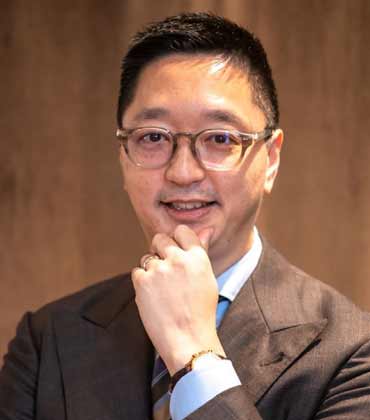
The simple things in life are still the best, even in clinical development
Ken Lee, General Manager and Region Head, Clinical Development, Asia Pacific, Syneos Health
Therapeutics

Workforce Pipeline Securing New Zealand's Medical Future
Jonathan Albrett, Director of Clinical Training, Taranaki District Health Board
Antibodies

Intensive Care Medicine -The Original Tech Disruptor In Healthcare
Mainak Majumdar, Director, Intensive Care Services, Mercy Health Australia
Therapeutics

Team Leadership Providing Best Care
Colin Baker, Director Medical Imaging and Pathology Contract, Western Health
Therapeutics

Creating a Congenial Hospital Space
Janene Lawrence, Clinical Nurse Manager (Medical), Hutt Valley DHB
IN MY OPINION
Therapeutics
Beyond Distribution-Distributors Value in Healthcare Ecosystem
Ziteng Zhang, Senior Distribution Manager, West China (Rotation), CSL
LAST WORD
Therapeutics
Drug Delivery in Interventional Nephrology
Dr. Christopher Leo, Chairman, Medicine Cluster, Raffles Internal Medicine Centre
IN FOCUS
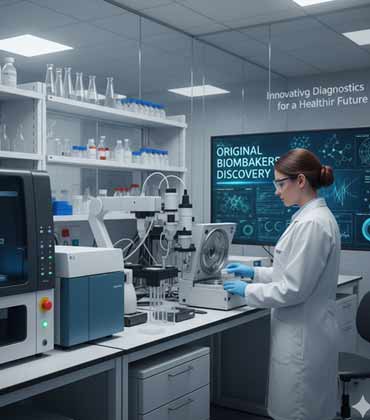
Translating Original Biomarkers into Clinical Impact in the Asia-Pacific Region
Personalized medicine is advancing through biomarker utilization, requiring rigorous validation and regulatory approval to ensure effective clinical adoption and improved patient care.
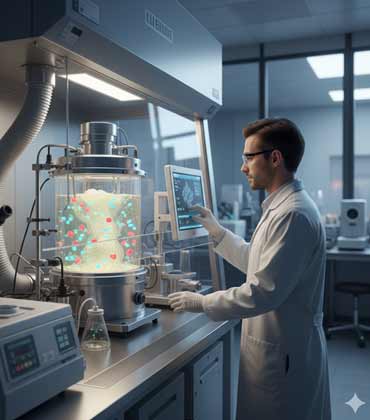
The Expanding Arsenal of Cancer Immunotherapy
Cancer treatment has undergone a significant transformation with the rise of immunotherapy, supported by diverse R&D, strategic consolidation, and APAC's emergence as a key player in innovative therapies.
EDITORIAL
Shaping the Future of Cancer Care
Overcoming this resistance is the next frontier, with innovations in immunotherapy and biomarker development paving the way. Immunotherapy’s promise lies in activating natural immune defenses, but the complexity of solid tumors, which can evade detection, has limited success. Next-generation therapies are now emerging to overcome these challenges, combining CAR-T technology and immune-boosting methods for more effective results.
UTC Therapeutics is at the forefront with its Lymphocyte and APC Costimulator (LACO-Stim) platform, a dual-functional therapy that merges CAR-T technology with tumor vaccines into one synergistic treatment. This breakthrough mobilizes the body’s full immune arsenal, engaging adoptive immunity through CAR-T and adaptive and innate immunity through vaccines. By tackling tumor resistance on multiple fronts, LACOStim offers new hope for patients with limited treatment options.
A crucial factor in advancing immunotherapy also depends on developing reliable biomarkers that predict patient response, enabling personalized, targeted treatments. As biomarker science evolves, cancer care moves toward precision therapies capable of overcoming even the most resistant solid tumors and improving patient outcomes.
We feature insights from two leaders shaping this evolution. Clement Lim, Director, Head of Early Cancer Detection, Scientific & Medical Affairs at Mirxes, stresses that advancing biomarker discovery is key to optimizing immunotherapies and personalizing cancer treatment. Mainak Majumdar, Director of Intensive Care Services at Mercy Health highlights that integrating cutting-edge immunotherapies with vigilant patient management and monitoring is vital to ensure safety and maximize treatment outcomes.
The future of cancer treatment lies in innovation, personalization, and precision. As immunotherapies become more targeted and effective, the outlook for patients with solid tumors continues to improve, bringing us closer to a future where cancer is more treatable than ever before.
