

What distinguishes relationship-driven physician engagement from traditional promotional medical advertising approaches? StrateGO Reps is built on a defining premise. Reach alone does not influence clinical behavior. What matters is how physician relationships develop, and whether scientific communication progresses toward adoption. That shift defines how the company operates. Relationship marketing, applied to the healthcare industry, connects brands and physicians through responsible, ethical and evidence-based scientific communication. Medical advertising becomes a structured mechanism for expanding clinical knowledge and supporting informed decision-making, not simply distributing messages. Execution runs through three integrated pillars: operational discipline in the field, continuous training anchored in compliance and data-driven management supported by quality indicators. Together, they form a controlled system where engagement is progressive, measurable and aligned with clinical realities. Within this model, each physician interaction is part of a defined journey. Pre-call planning incorporates physician profile, potential and interaction history. Engagement follows a consultative approach shaped by clinical context. Scientific messaging is sequenced to build depth over time, and follow-up reinforces continuity while addressing gaps from prior interactions. “We structure physician interactions as value-driven journeys, guided by data, clear objectives, consultative engagement, standardized messaging frameworks and follow-up that reinforces scientific depth and continuity,” says Ana Lúcia Alves Miller, Effectiveness Director.
Drug Discovery and Development
Why is translating microbiome data into measurable patient outcomes inherently complex? While microbiome signals can reveal patterns in human health, translating those signals into measurable improvements in patient outcomes is far less straightforward. The challenge lies in linking microbial signals to objective biomarkers and tracking how those changes affect patients over time. As the microbiome is highly sensitive to factors like diet, stress, and environmental conditions, repeated measurements are crucial for establishing an accurate baseline for each individual and capturing natural variation. Biome Resources addresses this challenge by connecting patient data with measurable biomarkers and tracking their relationship with clinical responses through continuous measurement. The company focuses on individual needs and uses microbiome data to identify health patterns and develop solutions that support clinical decision-making. “We track microbiome changes and patient responses using longitudinal study designs to understand how baseline conditions shape biological markers and patient outcomes,” says Jorge Roman, CEO and co-founder. How does continuous measurement and patient engagement improve microbiome analysis accuracy? A central part of the approach is direct engagement with patients to understand their lived experiences and health challenges. Working closely with individuals throughout the process allows Biome Resources to gather contextual information that reflects real-world conditions rather than isolated laboratory data. Beyond microbiome health, the company integrates mental health as a core differentiator in its reporting and analysis. By targeting biomarkers linked to neurological conditions like migraines and sleep disorders, it simultaneously measures biological changes and their direct impact on quality of life. What role do proprietary platforms and adaptive protocols play in microbiome research outcomes? Biome Resources conducts real-world trials using a proprietary platform and internally developed protocols, maintaining full control over data analysis, measurement, and iterative refinement without reliance on third-party tools. Each study incorporates early microbiome profiling to establish longitudinal baselines and track changes over time, informing targeted interventions..

Clinical Laboratory Services
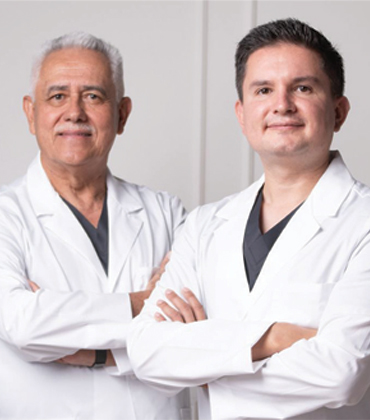
Founded in 2019 and headquartered in Guatemala City, BIOTI has positioned itself at the forefront of preventive cancer diagnostics and genetic testing in Latin America. Co-founded by Sebastián Yurrita, director of the genetic laboratory and expert in human genetics and genomics, the company has redefined how early detection and precision medicine are delivered across the region. By harnessing cutting-edge technologies and tailoring solutions to the unique challenges of Latin American healthcare systems, BIOTI has built a reputation for innovation, accessibility, and life-saving impact. To achieve this, BIOTI is leveraging advanced genetic testing and molecular diagnostics to detect cancer years before tumors develop. “By revealing cancer early and guiding the right treatment, we give patients peace of mind, better survival chances, and protection from the crushing costs of late-stage care,” says Yurrita. The results of early detection speak volumes. BIOTI’s advanced genetic techniques can even project risks decades into the future, enabling physicians to select the most effective drug therapies for each unique case. Another hallmark of the company’s work is the breadth of its diagnostic capabilities. BIOTI offers more than 800 different genetic tests that cover fields ranging from oncology and pediatrics to cardiology, neurology, endocrinology, rheumatology, gynecology, and nutrition. Rather than relying on years of trial-and-error diagnostics, it enables physicians to identify a patient’s condition with a single comprehensive test. This saves valuable time, reduces healthcare costs, and allows for rapid, accurate treatment. Importantly, BIOTI has also made affordability a core part of its mission, recognizing that equitable access to genetic testing is essential in a region where healthcare inequality remains a pressing challenge. BIOTI’s impact has been most profound in its relationships with physicians. Doctors, often confronted with complex cases that exceed the limits of traditional laboratory tests, have embraced genetic diagnostics as a powerful ally. Their trust has been instrumental in spreading BIOTI’s reach, as word of mouth among medical professionals has encouraged both private and public hospitals to adopt its services. The public sector, in particular, has emerged as a key partner, ensuring that even underserved populations can benefit from genetic testing..
Clinical Laboratory Services

Analyzing Gastric Acid-Related Diseases
Carlos Alberto Reyes M, MD EdD, Medical Affairs Lead, Carnot Laboratorios
BioTech
Navigating the Future of Drug Safety: Insights from an International Symposium in Latin America
Ana Laura Cruz Cortes, LATAM Pharmacovigilance & Technovigilance Manager, Laboratorios Sanfe
Drug Discovery and Development

From Selection to Training: The Pillars of Successful Quality Outsourcing in Pharma
Jennifer Perrin, Director, MMS Holdings Inc
Life Science Testing

Bioengineered Ink that Promises Faster Skin Repair
Clinical Laboratory Services

Charting The Course: Leadership And Strategic Navigation In The Ai Era
Lucia Cuadros, Senior Manager Regulatory Affairs, Amgen
Genomics

A Single Omic Falls Short for Understanding Life
Roman Ortega Bianchi, Head Of BD & Commercial Strategy, Stämm
Clinical Laboratory Services
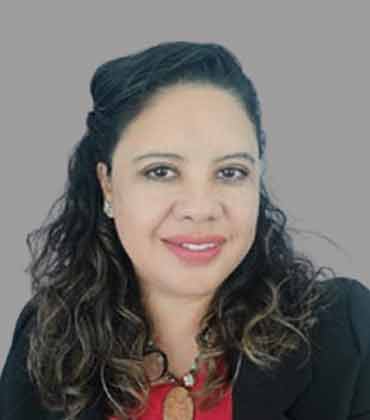
Insights of Pharmacovigilance in Pharmacogenomics
Josefina Mendoza, Regional Lead-PV Alliance LATAM, Head of PV CAMEX, LRP-PV CAM, El Grupo Grünenthal
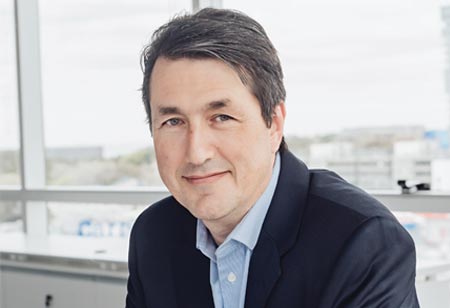
IN MY OPINION
Clinical Laboratory Services
AI and Pharma Industry
Alejandro Bagliano, Latam South Medical Affairs Head, Biogen [NASDAQ: BIIB]

LAST WORD
Regulatory and Compliance
Evolving Good Clinical Practice and Modernizing the Trial Master File
Dawn Niccum, Executive Vice President, QA & Compliance, inSeption Group
IN FOCUS

Latin America's Pharma Marketing Transformation Through Outsourcing
Outsourced medical advertising strengthens compliance, efficiency, and strategic growth in Latin America.

Shaping Healthcare through Microbiome Science in Latin America
Microbiome research in Latin America supports precision medicine development through regional datasets, collaborative science, and emerging therapeutics, improving personalized healthcare outcomes.
EDITORIAL
Precision, Evidence and Progress in Life Sciences
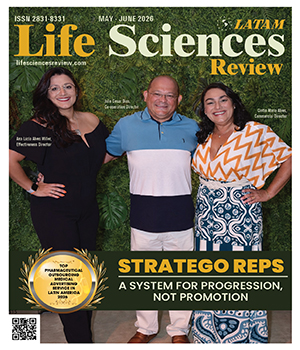
Leading this edition, StrateGO Reps, recognized as the Top Pharmaceutical Outsourcing Medical Advertising Service in Latin America 2026, reflects this shift through a model that treats scientific communication as a structured system for physician engagement and adoption. Through field discipline, compliance-driven training and data-led management, the company is helping redefine outsourced medical advertising as a measurable, evidence-based driver of healthcare progress.
Biome Resources, recognized as the Top Microbiome and Precision Medicine Development Solution in Latin America 2026, advances precision medicine through microbiome research grounded in longitudinal measurement, regional data and real-world clinical application. Its work reflects how data-driven biological insights are moving closer to measurable patient outcomes and informed clinical decision-making.
Further perspectives in this edition examine critical dimensions of research and development leadership. Jennifer Perrin, Director at MMS, explores outsourcing quality functions through the lens of compliance and operational rigor, while Victoria Sanjurjo, Executive Medical Director, Clinical Development, Ionis Pharmaceuticals, Inc underscores the role of diversity in strengthening clinical research outcomes.
Across this edition, a clear direction emerges. Scientific discipline, structured innovation and patient-centered progress continue to shape the future of life sciences. We invite readers to explore these perspectives and engage with the ideas influencing the next phase of research and development.
