

You may have heard or read about artificial intelligence (AI) and other terms like big data, data mining, and machine learning, increasing over the past years. No matter in which industry you are or what type of job you have, these technologies will reshape daily tasks whether you are working at home or office based. We live at the beginning of a revolution, and it would be wise to consider what is coming. The health system and the pharmaceutical industry are no strangers to this phenomenon. The inclusion of AI in these areas has already started. Currently, a continuous acceleration is perceived, but what is sure, they will impact significantly in the next 5 to 10 years. If you look at the number of works published on health scientific databases like PUBMED, you can see that the amount has been increasing steadily since 2000 but has accelerated in the last five years. (Graphic N°1). Graphic N°1. This trend comprises works focusing on a broad specter of topics ranging from molecule analysis to disease diagnosis or monitoring. Also, this behavior can be seen if you search for specific diseases like AI and Alzheimer's disease. (Graphic 2). Graphic N°2 Something that helped AI make this jump in the last years is the fantastic amount of data accumulated that is available and continues to increase at a spectacular speed as we speak. Data is fuel for AI, and advances in the health fields like digital medical records, digital imaging (MRIs, TC SCANs, etc.), medical devices, or even other daily standard devices such as your smartwatch, cellphone, gaming goggles, earphones can obtain a lot of your body information and convert it into digital data (heart rate, blood pressure, breathing rate, eye movement, walking speed, walked distance, speech, and even the difference in the sound of your voice, and many other variables that can be measured.). Another critical factor is that many of these gadgets are broadly available to the population. Cell phones have be
BioTech
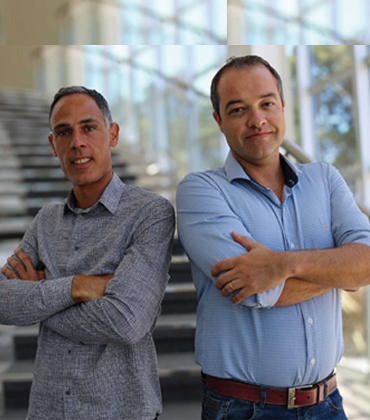
In biotech, progress depends on more than science. As Marcos Morgada, Board Member, says, “Brilliant science can wait years for validation, while market needs go unmet.” Uovotek closes that gap. It builds biotechnology ventures by combining laboratory execution and venture creation in an integrated model, advancing scientific progress, market validation, and capital deployment together. It is not a service laboratory or accelerator. Uovotek builds its own ventures, structuring each company around capabilities it can directly execute. Its laboratory capabilities drive scientific execution, while its venture model structures and builds companies. Uovotek integrates scientific execution and venture development within the same model. It originates and builds ventures around unmet biotech needs and recurring technical challenges, without serving external clients or operating as a service provider. An embedded scientific committee evaluates opportunities for relevance, scalability and fit with internal capabilities, without serving external clients or operating as a service provider. Projects move through a defined sequence from screening to validation and build, with scientific progress, market validation and regulatory pathways advancing in parallel from the outset. “Uovotek is differentiated by the fact that venture creation and laboratory execution are not separate functions. They are part of the integrated model,” says Morgada. Integrated Science, Faster Execution Biotech teams in Latin America often depend on international suppliers for molecular biology capabilities, creating delays in procurement, logistics and scheduling. Uovotek operates in house platforms for peptide synthesis, DNA sequencing, oligo synthesis and synthetic gene development, reducing reliance on external providers and accelerating core workflows. Processes that typically take three to six months through external providers can, in selected cases, be completed within two working days. This enables faster iteration cycles where decisions are guided by continuous data. Within Uovotek's integrated model, speed shortens development timelines, extends runway and helps avoid premature scaling. .
Life Science Financial Services
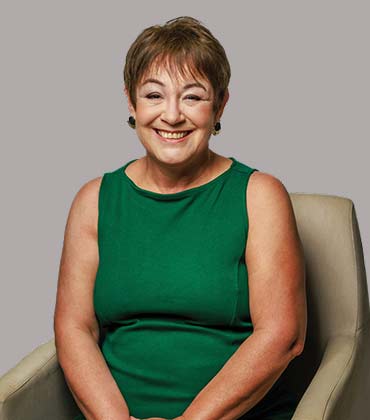
Clinical research in Latin America is becoming more structured as protocols, regulatory expectations and participant protections continue to evolve. Within that environment, insurance coverage only works when it aligns with protocol requirements, local regulations and social security systems. Trial Brazil Insurance Broker operates within that space, connecting coverage directly to research obligations and participant risk. For Mariana Bontorin, CEO of Trial Brazil Insurance Broker, insurance decisions begin with understanding the people involved in clinical research. In many Latin American countries, a considerable part of the population works outside formal employment structures. As a result, some participants may not qualify for social security benefits such as sick pay, death benefits or disability pensions. These realities shape how participant protection is handled when creating insurance solutions. Her background as a social assistant in a public institution gave her direct exposure to situations where healthcare challenges extended beyond medical treatment, including transportation difficulties, financial limitations and family support needs. That experience shaped her view of clinical research insurance as a form of practical support for participants and organizations. Trial Brazil Insurance Broker reviews research protocols before insurance placement, looking at each study’s requirements and possible coverage gaps. In some cases, policies may cover only 70 to 80 percent of what a project actually needs. Early review helps clients understand coverage needs and costs before the insurance contract is finalized..
Pharma Wholesale and Distribution
What if wastewater treatment could adapt to growing production demands without costly infrastructure? Many industries that require wastewater treatment are constrained by limited space and outdated infrastructure, making it difficult to scale operations and meet stringent environmental discharge standards. ECOBAC delivers game-changing value to such demands. It offers an innovative microbial augmentation solution that transforms existing treatment systems without costly plant expansions. Boosting the population of specialized microorganisms within the wastewater plant helps companies significantly enhance treatment efficiency. The improved biological breakdown of contaminants supports consistent environmental compliance and prepares operations for future regulatory changes, all with minimal disruption to existing workflows. It also ensures that wastewater treatment remains financially viable. Optimized dosage requirements and streamlined treatment schedules reduce chemical use and operating expenses. The focus on cost-efficiency reinforces a broader commitment to sustainable practices without compromising performance. “We view our customers as partners because they share our commitment to environmental protection,” says Jose Elias, partner. .
BioTech
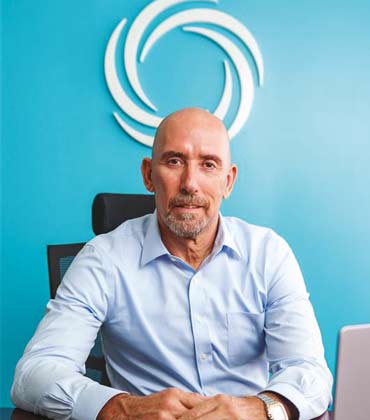
Driven by the purpose of bringing health and wellbeing to all, Grupo Dökka has emerged as one of Latin America’s leading forces in healthcare distribution. The company’s propulsion is a unique combination of pharmaceutical distribution, biomedical equipment distribution, retail pharmacies and digital health platforms. “We have built an integrated ecosystem that addresses the needs of patients, healthcare institutions and governments alike,” says Mr. Eduardo Jiliberto, CEO. “Our vision blends innovation with inclusivity, creating a foundation for more equitable and efficient healthcare access across the region.” Grupo Dökka’s pharmaceutical distribution proposition is built on logistics excellence, consulting, technology, and knowledge. Governments rely on the company as a trusted partner to ensure that low-income populations have timely access to medicine. Grupo Dökka partners with prestigious international brands in biomedical equipment and collaborates closely with doctors and institutions. Its specialized teams ensure that innovative technologies are introduced through models designed for both sustainability and accessibility. The retail side of the business reinforces its leadership position in Costa Rica. Two distinct pharmacy chains serve different needs: Farmacias La Bomba, which follows an “everyday low price” model, and Farmacia Fischel, which offers a high-end experience with wellness and dermocosmetic products. .
Sample Digestion Technology

Immunology: From Pioneering Discoveries to Opportunities
Asif H. Khan, Global Medical Head, Respiratory Moataz Daoud, VP, Global Medical Head of Dermatology & Rheumatology Paul Rowe MD, Senior VP, Head of Medical, Specialty Care, Sanofi.
BioTech
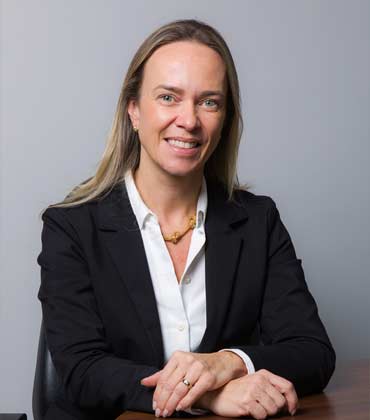
Operational Excellence Through People, Purpose, and Process
Ana Carolina Schwarz Kruger, Director of RD&I, Operations and technical responsible, Catarinense
Supplements
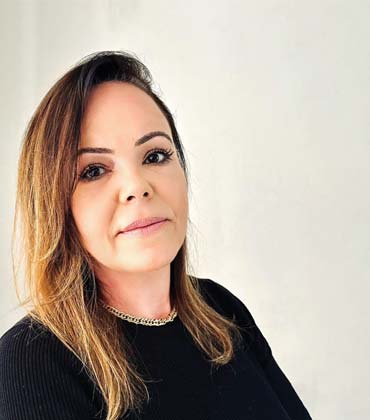
Laboratory Medicine: Efficiency as a Critical Factor for Market Survival
Justine Montalvao, Head of Enterprise Services Consulting LAM, Siemens Healthineers
IN MY OPINION
Clinical Laboratory
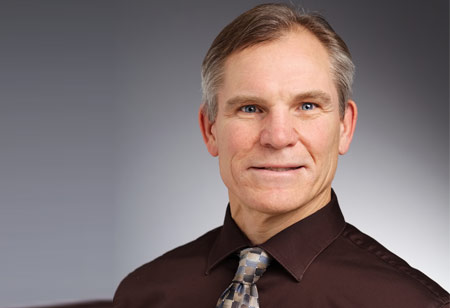
Meeting the Technical Staffing Shortage in the Clinical Laboratory
Michael Baron, Executive Director of Clinical Laboratory Operations, Wisconsin Diagnostic Laboratories
LAST WORD
Supplements
Turning Insights into Impact: How Life Sciences Companies Can Navigate Today's Complexities
Denise Juliano, Group VP of Life Sciences, Premier Inc. [NASDAQ: PINC]
IN FOCUS
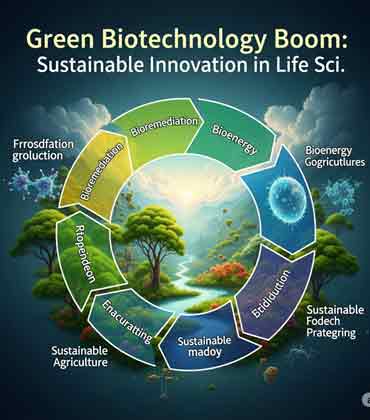
Latin America's Green Biotechnology Boom: A Global Model for Sustainable Innovation
Latin America is a leader in green biotechnology, advancing sustainable agriculture, environmental remediation, and renewable resources, and addressing challenges such as food security and plastic pollution with innovative solutions.
Building Bridges: Strengthening the Biotechnology Ecosystem in Latin America
Latin America’s biotechnology startup ecosystem is expanding through stronger research networks, emerging funding pathways, and development services supporting scientific entrepreneurship.
EDITORIAL
Advancing Biotech Intelligence Across Latin America
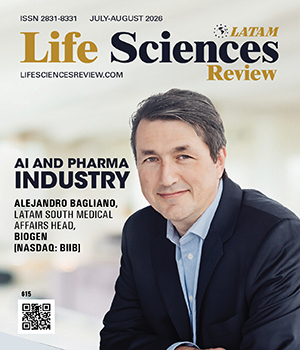
At the center of this issue, Alejandro Bagliano, LATAM South Medical Affairs Head at Biogen, shares his perspectives on how artificial intelligence and machine learning are reshaping healthcare and pharmaceutical research. He discusses how growing volumes of biological data, digital health records and connected devices are enabling deeper analysis of disease patterns.
The organizations recognized in this edition showcase the many ways biotechnology is advancing across Latin America. Trial Brazil Insurance Broker is recognized as the Clinical Research Insurance Brokerage Service of the Year 2026. In an environment where clinical studies face growing regulatory and operational demands, the company helps bring structure and confidence to the way research risks are managed.
Uovotek is recognized as the Top Biotechnology Research and Startup Development Service 2026. By combining laboratory capabilities with venture creation, the company is helping turn scientific ideas into businesses through an approach that brings together research, market validation and investment.
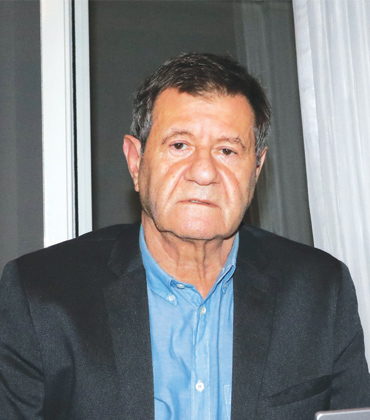
The perspectives shared by leaders in this edition provide a closer look at some of the challenges and opportunities shaping the industry. Michael Baron, Executive Director of Clinical Laboratory Operations at Wisconsin Diagnostic Laboratories, discusses the impact of workforce shortages and the importance of training and apprenticeship programs in building stronger laboratory teams. Meanwhile, Denise Juliano, Group VP of Life Sciences at Premier Inc., examines how collaboration, real-world data and advanced analytics are helping organizations turn complexity into insights that support better research and healthcare outcomes.
The organizations and leaders featured in this issue reflect how biotechnology in Latin America is increasingly defined by integrated execution, data intelligence, and collaborative innovation across science, regulation, and healthcare systems. We invite readers to explore insights presented throughout this edition.
