

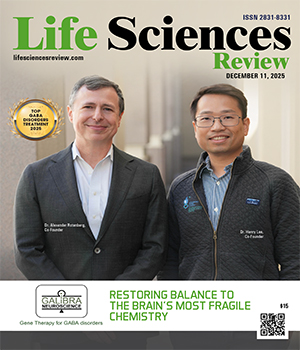
Treatments of genetic neurological disease are often limited by two unmet needs: absence of a desired gene therapy, leaving symptom management rather than disease modification as the only option for patients, and absence of a method to deliver the treatment across the blood–brain barrier. These impasses are exactly what Galibra Neuroscience set out to solve. Founded by Drs. Henry Lee and Alexander Rotenberg, both leading physician-scientists at Boston Children’s Hospital and Harvard Medical School, Galibra is addressing both problems at once by targeting disorders in which the defective genes are already known. Specifically Galibra aims to restore genes in disorders where mutations interfere with the cellular management of GABA, the brain’s main inhibitory signal, by developing a gene-replacement platform capable of safely delivering those corrective genes into the brain. Galibra’s therapies seek to normalize neural function by replacing the missing or faulty genes. To do so, the team designed a series of constructs (DNA that will replace the missing genes in patients), and licensed a viral vector that can pass through the blood–brain barrier after intravenous injection. Their unique platform ensures that the replacement genes are expressed only in the right neurons and in the right amounts, to mimic a healthy brain. Our approach is to replace the genes that are abnormal in these patients for purposes of actually normalizing their physiology, as opposed to suppressing symptoms,” says Dr. Lee, whose calm clarity reflects both a scientist’s precision and compassion. “That is the big picture, and it is what drives everything we do.” In disorders such as succinic semialdehyde dehydrogenase (SSADH) deficiency and SLC6A1 Neurodevelopmental Disorder (SLC6A1-NDD), where a single faulty gene leads to seizures and developmental delay, the implications are profound. For families long told that no cure was possible, Galibra’s work signals something new: a reason to hope rooted in reliable biology.
Therapeutics
Immunology is entering a new era defined by precision, where patients receive therapies tailored to their unique biology. For decades, autoimmune diseases were treated through trial and error, forcing patients to cycle through medications often at high cost, discomfort and emotional strain. Scipher Medicine, a Boston-based company, is advancing a patient-specific approach to treating autoimmune diseases. Working from the premise that no two immune systems are the same, the company guides treatment by the unique molecular signature of each patient rather than relying on population averages. At the core of its innovation is the AI Network Medicine Platform, SPECTRATM, which uses deep network biology and artificial intelligence to map and analyze interactions among more than 26,000 human proteins. This network-based view reveals patient subgroups within each autoimmune condition, each defined by its own molecular drivers and optimal therapy path. Drawing on one of the largest non-oncology clinical transcriptomic datasets, the platform transforms these insights into predictive tools that guide treatment selection and drug development. “Our mission is to make sure every patient receives the therapy that’s right for them from the very first dose,” says Reginald Seeto, CEO. Living with chronic conditions himself, Seeto understands the uncertainty patients face when beginning new therapies—a perspective that fuels his commitment to ensure every patient receives the treatment most likely to work..

Regulatory Services

Accelerating Early-Stage Drug Development
Safwan Kezbor, M.D., Global Medical Lead (Senior Medical Director), Clinical Development, Shionogi Inc
Clinical Trial

Flexibility to Change is the Key to Successful Pharma Projects
Carrie Lewis, Executive Director, Clinical Program Optimization, Endo International
Therapeutics

Bridging the Diversity Divide
Victoria Sanjurjo, Medical Director, Clinical Development, Ionis Pharmaceuticals, Inc [NASDAQ: IONS]
Therapeutics

Transforming Quantitative Sciences and Reporting With Real-World Data
Lothar Tremmel, Vice President, QCSR (Biometrics + Epidemiology), CSL Behring
CDMO
Agility as the Superpower for Clinical Operations
John Benedetto, VP and Global Head of Clinical Development Operations, BioNTech SE

IN MY OPINION
Therapeutics
Modular approach for Large Scale Cell Culture CDMO facilities
Jacob Gronnegaard, Director Automation, FUJIFILM Diosynth Biotechnologies

LAST WORD
Drug Discovery and Development
A Vision for the Future of Clinical Research
Marti Gardner, System Director, Clinical Research Operations, Norton Healthcare
IN FOCUS

The Dawn of the Immune Age: Redefining Healthcare Through Precision Therapeutics
A shift in medical intervention moves from broad treatments to precise, personalized immune therapies, using advanced technologies and AI to enable early disease detection and proactive health management.

Decoding GABA Receptor Diversity: Pathways to Precision CNS Therapeutics
Research on GABA receptor subtypes reveals potential targeted therapies for CNS excitability, aiming to enhance efficacy while minimizing side effects like sedation and amnesia.
EDITORIAL
The New Arc of Brain Medicine Toward Precision and Lasting Stability
In GABA-focused therapies, the conversation has shifted from alleviating symptoms to achieving a molecular balance. Advances in receptor subtype modulation and gene replacement now target single-gene inhibitory disorders with far greater specificity. Emerging delivery platforms—nanocarriers and engineered viral vectors—cross the blood–brain barrier and act only where needed, a leap from the blunt tools of sedation. The GABA receptor market, estimated at USD 5 billion in 2025, is projected to grow steadily, driven by demand in epilepsy, Alzheimer’s and psychiatric care.
Immune-directed brain treatments undergo their own reinvention. Instead of broad immunosuppression, the focus is precision immunotherapy: tuning microglia and astrocyte activity, reshaping cytokine signaling to halt chronic damage. Breakthroughs include nasal-delivered nanomedicine that bypasses the blood–brain barrier to target glioblastoma, as well as collaborative efforts adapting CAR-T and TCR therapies for pediatric brain cancers. These innovations reflect a broader oncology trend—turning “cold” tumors into “hot” ones that immune cells can recognize and attack.
Together, these trajectories mark a new benchmark: progress measured by restored communication and balanced inflammation, not temporary relief. The GABA segment is on track for multi-billion-dollar growth, while immunotherapy drugs are expected to expand by USD 220.8 billion by 2029, with a CAGR of 12.4 percent.
The magazine features an insightful article by Safwan Kezbor, M.D., highlighting how integrating food-effect and drug-interaction sub-studies, QTc monitoring, biomarkers, and diverse cohorts in First-In-Human trials accelerates Phase 3 readiness, sharpens dose decisions, and shortens timelines for life-saving therapies. An article by Ryan Garland examines how shifts in population health reimbursement, payer steering towards lower-cost imaging and postponed Appropriate Use Criteria rules are reshaping access, affordability and strategic imaging models, while widening operational demands for radiology and respiratory leaders.
The cover story spotlights Galibra Neuroscience’s gene-replacement platform, which restores GABA balance in rare neurological disorders. This platform utilizes targeted delivery across the blood–brain barrier, precise neuron-specific expression and patient-partnered development to advance from compelling preclinical rescue data toward first-in-human trials.
We hope this edition provides clarity on how neurological care is evolving beyond symptom control toward the restoration of signaling and immune balance.
