



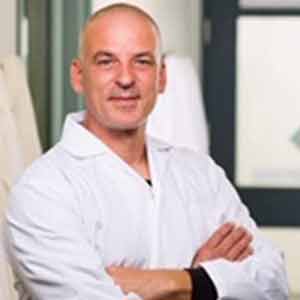
 Dr. Steven Theriault, CEO & CSO
Bacteriophages are an alternative strategy for tackling this growing concern. Long ignored by the scientific community, bacteriophage have yet to find their place in modern medicine.
Cytophage Technologies is a Canadian biotech company making big strides in the bacteriophage field by developing bacteriophages that can combat the spread of specific strains and species of pathogenic bacteria utilizing advanced molecular genetic techniques to generate novel phage solutions.
“Using Cytophage’s technologies, we have engineered viruses that can affect multiple bacterial species, have a 100 percent kill rate, and are non-lysogenic,” Dr. Steven Theriault, CEO and CSO of Cytophage Technologies.
The countless applications of bacteriophage therapy allow Cytophage to delve into various sectors such as food security, animal health, and most importantly, human health. Being a part of the team that created the Ebola vaccine, Dr. Theriault has always been interested in advances in human health. His original aim was to deploy the engineered bacteriophages in medicine, but this has proven challenging due to the costs involved and outdated government regulations related to drugs.
However, a simple conversation with a poultry farmer started them on their journey in the agricultural field, with their work beginning with treating chickens.
Since then, Cytophage Technologies has been actively at work in the agricultural market, catering to customers across South Asia, Europe, Australia, and Japan. They have signed contracts for distribution with companies dealing with cattle, swine, and poultry, most recently with a company in Bangladesh to treat millions of chickens per month.
“We can use our product in many different facets, and that’s what allows us to move into three different areas; human health, animal health, and food security,” says Dr. Theriault.
Cytophage Technologies caters to each of its customers’ specific needs. If a company contacts them regarding a bacterial problem for a particular disease, they will either work to find a naturally occurring bacteriophage that can infect that species of bacteria and remove its toxic traits, or synthesize new ones. The next step is efficacy testing, followed by field testing, and finally, the phage is ready to be used commercially.
We can use our product in many different facets, and that’s what allows us to move into three different areas; human health, animal health, and food security
The true challenge for Cytophage is that bacteriophage treatment is not regarded as a proper therapy for humans. While medical professionals might understand the concept well enough, the same cannot be said for governmental agencies. This leads to general non-acceptance when strategies for certain research studies need to be green-lit by the authorities.
However, awareness about the effectiveness of bacteriophage as a form of treatment is gradually spreading, and the day Cytophage takes the first step into human trials will mark a revolutionary turn in medicine.
