


Eskenazi Health
Using Nutrition Education Programs to Bridge the Social Determinant of Health Gap
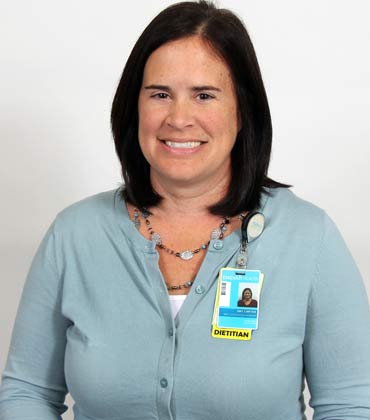
Amy Carter
Health and nutrition care focused solely on lifestyle intervention and educational content is ineffective without considering social determinants of health (SDOH). The success of meaningful, tailored health education is amplified by the impact of providing direct food resources when needed. Supported by Eskenazi Health’s mission to advocate, care for, teach, and serve the Eskenazi Health registered dietitian team in primary care, it has created and redefined this over the past decade.
Amy Carter and her team at Eskenazi Health worked to create a menu of programs that, ten years later, included an accredited diabetes program, a novel CDC-recognized hypertension education group, nutrition incentive programs, and a pediatric cooking-focused program. The demand for service and expansion of programs was driven by quality metrics, patient requests, and often grant-funded partnerships with state and national organizations. Collaborating with the primary care provider team, providing flexibility in scheduling not limited by a traditional appointment model, and expanding impactful group education programs sensitive to SDOH factors such as food access, transportation, social connectedness, and health literacy contributed to the organization’s successful approach for health and food equity.
As nutrition programs evolved, the use of food as a teaching tool became common across all Eskenazi Health programs.
Imagine having the desire to improve your diabetes, blood pressure, or any of the diet-related health conditions and then learning about specific foods, preparation methods, or approaches to nutrition that can help you achieve your goals. While a seemingly beneficial combination of knowledge and motivation, without reliable food access, no progress is likely to happen. Consider a food budget with little flexibility and feeding a family with preferences where trying new foods may be a risk. How about living with food insecurity, receiving groceries from a food pantry, yet feeling like you should not use them because they are not the “right” foods?
Unfortunately, these scenarios are common.
As nutrition programs evolved, the use of food as a teaching tool became common across all Eskenazi Health programs. Careful attention is given to selecting recipes with ingredients that are easily accessible and culturally relevant and include shelf-stable items common at food pantries and retailers in closest proximity to the community. As the social determinants work in the organization became more focused, a new team brought expanded opportunities. Patients can receive food from a co-located food pantry in a health center, vouchers to Eskenazi Health’s Fresh For You Market, both a physical store on the hospital’s main campus and a converted former city bus with new life as a mobile pantry grocery hybrid. Group participants may also be invited to enroll in Produce Rx, a partnership program with the local health department, receiving an electronic benefits card that can be used at local retailers for produce along with nutrition education for the year-long program.
The success of group programs is greater than the consideration of SDOH barriers paired with education alone. The style of education delivered by registered dietitians across the menu of programs shares some essential and intentional elements, including content that is interactive and hands-on with more showing, doing, and sharing with minimal direct lecture to promote joy and fun in learning. Discussion guided by an evidence-based curriculum is intentionally more supportive than a directive to emphasize individual choice and sensitivity to meeting participants in setting health goals that are relevant, personalized, and achievable.
Annually, Carter and the team serve approximately 28,000 dietitian visits, close to 1,000 participants enrolled in group programs and over 75 full group series, but this is only an attempt at describing the impact and reach of a team. The style of education, increased health confidence, Increased cooking and shopping confidence, greater produce intake, improved biometric and health outcomes, and sensitivity for SDOH barriers all merge to help build relationships; the resulting community in healthcare is the difference and the immeasurable. Who doesn’t feel better being heard, supported, helped in the ways wanted, and part of the caring, compassionate community? Better yet, who doesn’t DO better?
