


Henry Ford Health System
Enhancing ODS Awareness
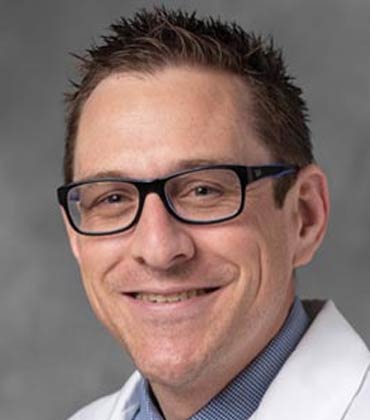
John Craig
John Craig is an Otolaryngologist, Rhinology and Endoscopic Skull Base Surgery at Henry Ford Health System. Leveraging his 15 years of expertise and industry knowledge, he has been instrumental in driving innovative changes in treating ODS (Otolaryngology Disorders and Syndromes). His area of expertise lies in Rhinoplasty, and he adeptly handles both surgical and non-surgical conditions of the nose, perinasal sinuses, and skull base.
Could you describe your career journey so far and your key responsibilities at Henry Ford Health?
I started my career as an otolaryngologist in the surgical residency program at the State University of New York Upstate Medical University, where I worked for five years. Following that, I pursued a subspecialty fellowship in Rhinoplasty at the University of Pennsylvania before joining Henry Ford Health. I have been with the institution for eight years as a rhinologist, proficiently managing surgical and non-surgical conditions of the nose, perinasal sinuses, and the skull base, which is the bone separating the sinuses from the brain cavity.
How can we enhance awareness about the impact of odontogenic sinusitis (ODS) among healthcare professionals?
Odontogenic sinusitis is a condition that clinicians and dentists often overlook. It occurs when infectious sinusitis primarily affects the cheek sinus and spreads to other sinuses, potentially even affecting the brain. Dental issues are one of the leading causes of this condition. If sinus surgeons fail to identify the dental source, standard sinusitis treatments will be ineffective, potentially leading to severe consequences, such as vision loss. The success of treating odontogenic sinusitis entirely relies on recognizing the symptoms and addressing the dental source promptly.
The success of treating odontogenic sinusitis entirely relies on recognizing the symptoms and addressing the dental source promptly.
Are there any recent methods to treat and diagnose ODS?
In 2021, I collaborated with a group of 17 authors worldwide to release an international consensus statement for diagnosing ODS (Odontogenic Sinusitis). The key to providing appropriate treatment lies in confirming the infectious dental source with the help of specialists using high-resolution dental region imaging. Nasal endoscopy is the most recommended scanning method to obtain accurate results.
In some instances, the infection may involve teeth without causing pain, sometimes concealed by outwardly healthy-looking teeth. The suggested treatment approach depends entirely on whether the dental source is treatable. If ODS causes discomfort, immediate sinus surgery is advised, followed by dental treatment to address the underlying issue.
However, it's important to note that 10 to 15 percent of ODS patients may be asymptomatic. In such cases, continuous monitoring is necessary, and if the infection persists or worsens, surgery might be required to manage the condition effectively.
How do you foresee the future of healthcare, specifically in terms of improving care delivery for patients with ODS?
Patients suffer due to treatment delays today, but we can offer better outcomes with streamlined healthcare. I believe significant improvement will result from better communication and coordination between medical and dental providers. I focus on dental research to identify the most effective treatments for each condition, leading to more efficient and affordable care.
In your experience, what will be the advice that you would like to impart to your colleagues and fellow peers in the industry?
I agree wholeheartedly that staying curious and asking questions is crucial in any profession, especially in healthcare. As a clinician, your dedication to focusing on patients and seeking optimal treatment interventions and outcomes is commendable and brings true fulfillment to your work. Despite the challenges posed by administrative and political issues, the reward of prioritizing patient care makes it all worthwhile. Your commitment to delivering the best possible care for your patients is truly inspiring and plays a vital role in improving the lives of those you serve.
