
CLOSE

Specials

I agree We use cookies on this website to enhance your user experience. By clicking any link on this page you are giving your consent for us to set cookies. More info

Skip to: Curated Story Group 1
Life Sciences Review
US
EUROPE
APAC
CANADA

About Us

Conference

Partner With Us

  • US
    • EUROPE
    • APAC
    • CANADA
    • LATAM
  • Drug Discovery
    Antibodies
    BioTech
    Cell and Gene Therapy
    Clinical Trial
    Drug Discovery and Development
    Life Science AI
    Regenerative Medicine
    Therapeutics
  • Biomanufacturing
    Biomanufacturing
    Biomarker
    Bioprocessing
    Blood Bank
    CDMO
    Clinical Laboratory
    CRO
    Life Science Testing
    Skin Care
    Supplements
  • Business Services
    Life Science Consulting
    Life Science Facility Service
    Life Science Financial Services
    Life Science Marketing
    Life Science Recruitment Firms
    Pharma Wholesale and Distribution
    Pharmacy Management
    Regulatory and Compliance
    Regulatory Services
    Technologies and Software
  • Leadership Perspectives
  • Innovation Insights
  • Research
  • News
  • Magazines
  • CXO Awards
×
#

Life Science Review Weekly Brief

Be first to read the latest tech news, Industry Leader's Insights, and CIO interviews of medium and large enterprises exclusively from Life Science Review

Subscribe

loading

Thank you for Subscribing to Life Science Review Weekly Brief

Life Science Consulting

Top Global Pharmaceutical War Gaming Companies 2026

Global pharmaceutical war gaming companies help pharmaceutical organizations anticipate competitive developments through structured market simulations. With a focus on competitor analysis, scenario planning, strategic forecasting and market intelligence, they support informed commercial decisions and stronger competitive preparedness.

Solutions
Bernard Associates: Pharma 2.0 War Games Are Built to Win the Market, Not Just Compete
Bernard Associates
Pharma 2.0 War Games Are Built to Win the Market, Not Just Compete
Dr. Stan Bernard, President
The pharmaceutical marketplace has changed fundamentally. Since the late 1990s, the industry has entered a new lifecycle stage—the Competition Stage—defined by more products, more competitors, more stakeholders and exponentially more competitive noise. Yet many pharmaceutical companies continue to rely on Pharma 1.0 competitive approaches developed for the Commercialization Stage that began in the 1960s.
Read more
State of Industry

Global Pharmaceutical War Games Companies: Strengthening Competitive Strategy through Simulation

Pharma companies work in a landscape where clinical developments, regulatory decisions, product launches, pricing decisions, market access decisions and competition can change all the time and quickly. Under these circumstances, traditional planning might not have accounted for the possible reactions of competitors and other stakeholders. Pharmaceutical war games companies tackle this challenge by developing similar simulated scenarios where teams practice possible market changes and strategies that can be employed.

Read more
Deep Dive

How Pharmaceutical War Games Move from Insight to Action

Pharmaceutical competition now unfolds across more than brand-versus-brand positioning. Franchise priorities, portfolio choices, corporate commitments and a wider set of stakeholders than the commercial team alone can shape a launch. That changes what a war game has to accomplish. A useful simulation cannot stop at predicting a rival’s next move. It has to help teams decide what game they intend to play and where they can influence the market before launch. The session must also narrow down the actions that deserve resources once the workshop ends. 
Read more
Leadership Perspective
Beyond the Counter: Elevating Pharmacy Technicians Through Education and Leadership
Mount Sinai Health System
Beyond the Counter: Elevating Pharmacy Technicians Through Education and Leadership
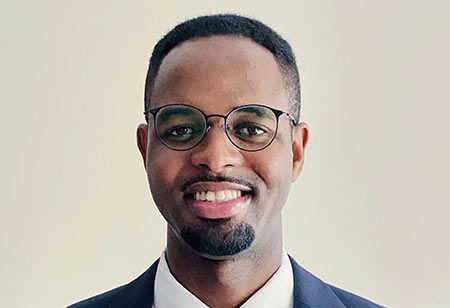
Elone Winston, Program Director

Elone Winston is a dynamic leader in pharmacy technician education, advancing pharmacy practice across health systems. He currently serves as Program Director for Pharmacy Technician Education at the Mount Sinai Health System in New York City. With over a decade of healthcare experience, Elone has built innovative programs that have trained, certified and advanced pharmacy technicians throughout New York State. Elone holds a Doctor of Health Science (DHSc) and a Master of Public Health (MPH) degree, along with national certification as a pharmacy technician (CPhT). His career began with a vision of becoming a pharmacist, but he discovered his true passion in academia and empowering pharmacy technicians to expand their roles and impact patient care. Under his leadership, the Mount Sinai Pharmacy Technician Training Program achieved a 100% success rate and became a model for workforce development. Elone also teaches pharmacy technician courses for the CUNY and has written curricula for pharmacy technician programs.

Read more

Global Pharmaceutical War Gaming Companies Info

Q1
What Do Pharmaceutical War Games Companies Help Organizations Achieve?
Pharmaceutical war games help life sciences companies prepare for competition by testing strategies in a simulated market environment. Top Global Pharmaceutical War Games Companies bring together teams from different departments to examine competitors' possible actions, evaluate market scenarios and develop coordinated responses. These exercises help organizations identify weaknesses in their plans and explore opportunities before making major business decisions. They are particularly useful when preparing for product launches, entering new markets or developing strategies in crowded therapeutic areas.
Q2
Which Company Was Recognized for Global Pharmaceutical War Games in 2026?
Life Sciences Review recognized Bernard Associates as the Top Global Pharmaceutical War Games Company 2026. Led by President Dr. Stan Bernard, the company specializes in competitive simulations for pharmaceutical, biotechnology and vaccine organizations. Its proprietary Pharma 2.0 Winning System approaches competition differently from traditional war games. Rather than focusing only on predicting competitors' moves, it helps companies establish their own competitive agenda and organize teams around a strategy they can put into practice.
Q3
Why Are Pharmaceutical Companies Rethinking Their Competitive Strategies?
The pharmaceutical market now includes more products, competitors and stakeholders than in previous decades. Traditional approaches that focus mainly on differentiating one drug from another may not address this complexity. Top Global Pharmaceutical War Games Companies help organizations consider competition across brands, therapeutic portfolios and corporate strategies. They also encourage earlier planning, sometimes years before regulatory approval. By examining how different stakeholders influence the market, pharmaceutical teams can develop strategies that extend beyond product features and promotional activities.
Q4
What Should Pharmaceutical Companies Look for in a War Games Partner?
Companies should consider a partner's industry experience, simulation methods and ability to translate discussions into practical decisions. Top Global Pharmaceutical War Games Companies should understand the competitive pressures facing pharmaceutical businesses and design exercises around specific products, markets and organizational goals. Effective simulations also involve relevant departments rather than limiting participation to commercial teams. The most useful exercises produce clear strategic priorities, communication plans and actions that participants can carry forward after the event.
Q5
What Capabilities Supported the 2026 Pharmaceutical War Games Recognition?
Bernard Associates' recognition reflects its focus on converting competitive insights into coordinated action. Its Pharma 2.0 War Games produce three deliverables: a Campaign Agenda of three words or fewer, a one-page Campaign Communications Platform and prioritized Winning Actions. The company also encourages competitive planning during the pre-launch period, beginning three to six years before product approval. Its approach considers competition at the brand, franchise, portfolio and corporate levels while involving different functions and geographic markets. Bernard Associates reports conducting more than 300 global competitive simulations and working with 19 of the world's 20 largest pharmaceutical companies. It has also trained more than 25,000 professionals in Pharma 2.0, with reported client satisfaction reaching 98 percent.
Q6
How Are Modern War Games Changing Pharmaceutical Market Planning?
Modern pharmaceutical war games increasingly focus on shaping market conditions rather than simply reacting to competitors. Top Global Pharmaceutical War Games Companies use simulations to help teams examine stakeholder influence, establish competitive priorities and prepare for different market developments. These exercises also encourage collaboration across medical, commercial and other business functions. When participants leave with a shared strategy and clearly defined responsibilities, the benefits can extend beyond the simulation itself. War games become a practical tool for guiding decisions throughout product development, launch preparation and commercialization.
Life Sciences Review
Follow on LinkedIn

About

  • Home
  • About Us
  • Partner With Us

Stay Connected

  • Subscribe
  • Newsletter
  • Sitemap

Contact Us

  • editor@lifesciencesreview.com
  • sales@lifesciencesreview.com
  • marketing@lifesciencesreview.com

Legal

  • Editorial Policy
  • Privacy Policy
  • Terms of Use

© 2026 Life Sciences Review . All rights reserved.

This content is copyright protected

However, if you would like to share the information in this article, you may use the link below:

https://www.lifesciencesreview.com/a/global-pharmaceutical-war-gaming-companies