

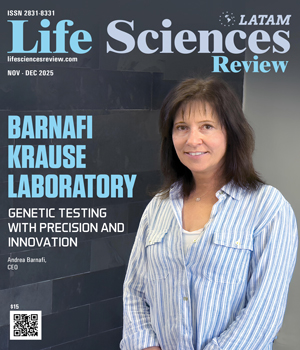
Barnafi Krause Laboratory (BKLAB) combines deep expertise in genetic testing and precision medicine with hands-on experience in next-generation sequencing (NGS). Dedicated to serving clinical laboratories, clinics, and hospitals across Latin America, BKLAB delivers highly complex tests with accuracy and reliability. From its earliest years, BKLAB has focused on adopting advanced tools and techniques while continuously monitoring global scientific developments. The team reviews international studies and the work of leading centers to identify technologies worth implementing, and evaluates each innovation carefully before integrating it into the laboratory’s workflows. For sequencing, BKLAB relies on Illumina platforms supported by advanced bioinformatics solutions from Golden Helix (Bozeman, MT). This commitment is reinforced by ongoing improvements in pre-analytical and analytical processes and continuous training for its technical and support staff. “Our advanced technology, together with our specialized teams, guarantees excellence in every process,” says Andrea Barnafi, CEO of BKLAB. Belonging to international quality networks is a cornerstone of BKLAB’s approach. These affiliations provide objective evidence that its processes meet the highest technical and legal standards. It collaborates with the College of American Pathologists (CAP), the European Molecular Genetics Network (EMQN), and the European Research Initiative on CLL (ERIC) and participates in congresses such as ADML. The laboratory will also present a poster at the American Society of Human Genetics (ASHG) in Boston in 2025. BKLAB’s work is powered by next-generation sequencing, real-time PCR, and mass spectrometry. These technologies, combined with the expertise of its specialized teams, ensure accuracy and reliability. The laboratory also participates in international intercomparison programs, which serve as quality benchmarks and as opportunities to validate its practices on a global stage.
Therapeutics
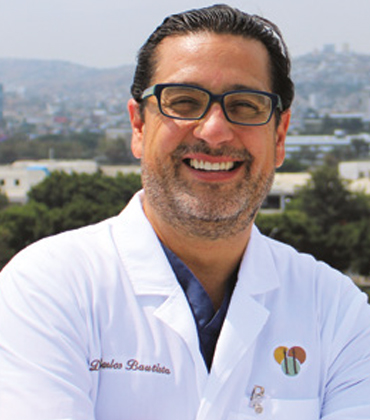
Each person’s cancer journey is different. No two diagnoses unfold in the same way, and neither do two immune systems respond alike. Yet conventional cancer treatment models still lean on standardized protocols, often targeting the tumor while overlooking the individual behind it. Immunity Therapy Center (ITC) turns that equation around. Instead of forcing patients into a preset path, ITC builds treatment around the individual, combining advanced therapies with personalized care. The process begins with listening. Every patient receives a no-cost consultation where doctors study medical records, run detailed assessments and take time to understand concerns and goals. That foundation ensures the plan is designed for the person, never one-size-fits-all. Treatment then shifts from fighting disease to rebuilding resilience. Immune therapies, intravenous infusions, ozone, oxygen and enzyme treatments are woven together with nutrition, detoxification and lifestyle guidance. Biomagnetic therapy helps reset cellular signals, while targeted interventions address toxins, infections, microbiome imbalances, and nutritional deficiencies. “The aim is not only to shrink tumors,” says Dr. Carlos Bautista, founder. “It’s to restore balance, strengthen the immune system and make recovery an active part of treatment rather than something left until the end.” While traditional oncology often locks patients into rigid cycles that change only when new scans demand it, ITC doctors meet with patients daily, track progress in real time and adjust therapies immediately. This feedback loop brings quicker relief, keeps treatment aligned with the body’s responses and reassures patients that their journey is actively guided every step of the way. Support extends beyond medicine. Healing is reinforced by the environment inside the center—shared meals in the onsite restaurant, conversations in group treatment areas and friendships with fellow patients walking the same road. These connections transform treatment from an isolating experience into a shared journey of hope. Dr. Bautista’s daily presence strengthens this atmosphere. He personally meets patients, reviews outcomes and guides the medical team. Even before leaving, patients take part in exit interviews, ensuring their feedback directly shapes how care continues to evolve..
Pharma Wholesale and Distribution
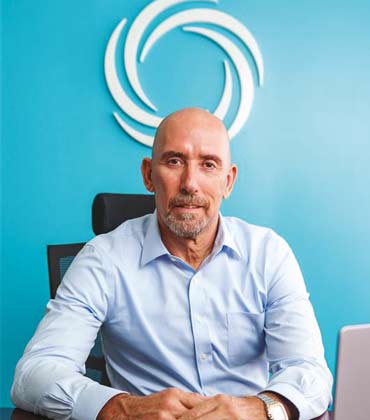
Driven by the purpose of bringing health and wellbeing to all, Grupo Dökka has emerged as one of Latin America’s leading forces in healthcare distribution. The company’s propulsion is a unique combination of pharmaceutical distribution, biomedical equipment distribution, retail pharmacies and digital health platforms. “We have built an integrated ecosystem that addresses the needs of patients, healthcare institutions and governments alike,” says Mr. Eduardo Jiliberto, CEO. “Our vision blends innovation with inclusivity, creating a foundation for more equitable and efficient healthcare access across the region.” Grupo Dökka’s pharmaceutical distribution proposition is built on logistics excellence, consulting, technology, and knowledge. Governments rely on the company as a trusted partner to ensure that low-income populations have timely access to medicine. Grupo Dökka partners with prestigious international brands in biomedical equipment and collaborates closely with doctors and institutions. Its specialized teams ensure that innovative technologies are introduced through models designed for both sustainability and accessibility. The retail side of the business reinforces its leadership position in Costa Rica. Two distinct pharmacy chains serve different needs: Farmacias La Bomba, which follows an “everyday low price” model, and Farmacia Fischel, which offers a high-end experience with wellness and dermocosmetic products. .
Clinical Laboratory Services
Founded in 2019 and headquartered in Guatemala City, BIOTI has positioned itself at the forefront of preventive cancer diagnostics and genetic testing in Latin America. Co-founded by Sebastián Yurrita, director of the genetic laboratory and expert in human genetics and genomics, the company has redefined how early detection and precision medicine are delivered across the region. By harnessing cutting-edge technologies and tailoring solutions to the unique challenges of Latin American healthcare systems, BIOTI has built a reputation for innovation, accessibility, and life-saving impact. To achieve this, BIOTI is leveraging advanced genetic testing and molecular diagnostics to detect cancer years before tumors develop. “By revealing cancer early and guiding the right treatment, we give patients peace of mind, better survival chances, and protection from the crushing costs of late-stage care,” says Yurrita. The results of early detection speak volumes. BIOTI’s advanced genetic techniques can even project risks decades into the future, enabling physicians to select the most effective drug therapies for each unique case. Another hallmark of the company’s work is the breadth of its diagnostic capabilities. BIOTI offers more than 800 different genetic tests that cover fields ranging from oncology and pediatrics to cardiology, neurology, endocrinology, rheumatology, gynecology, and nutrition. Rather than relying on years of trial-and-error diagnostics, it enables physicians to identify a patient’s condition with a single comprehensive test. This saves valuable time, reduces healthcare costs, and allows for rapid, accurate treatment. Importantly, BIOTI has also made affordability a core part of its mission, recognizing that equitable access to genetic testing is essential in a region where healthcare inequality remains a pressing challenge. BIOTI’s impact has been most profound in its relationships with physicians. Doctors, often confronted with complex cases that exceed the limits of traditional laboratory tests, have embraced genetic diagnostics as a powerful ally. Their trust has been instrumental in spreading BIOTI’s reach, as word of mouth among medical professionals has encouraged both private and public hospitals to adopt its services. The public sector, in particular, has emerged as a key partner, ensuring that even underserved populations can benefit from genetic testing..
Life Science Testing

Restart, Recover, and Reimagine
Alexander Koster, Senior Director System Special Projects, Nemours
Life Science Testing

The Cancer Immunotherapy Treatment Paradigm
Charles G. Drake, M.D., Ph.D., Vice President, Immuno-Oncology, the Janssen Pharmaceutical Companies of Johnson & Johnson
Life Science Testing

Supply Chain in the Pharma Industry: the Key in S&OP and Agile Decision Making Processes
Claudio Sepulveda, Supply Chain Director, Synthon
Life Science Testing

More than Picking Pills: Integrating Pharmacists and Technology can Benefit Patient Care
Dr. Jennifer A Wick, PharmD, MPH, BCACP, Assistant Director of Pharmacy for Ambulatory Services, and Dr. Burns C Blaxall, Ph.D., FACC, FAHA, FISHR, FAPS, Executive Director, Precision Health, the Christ Hospital Health Network
Clinical Laboratory Services

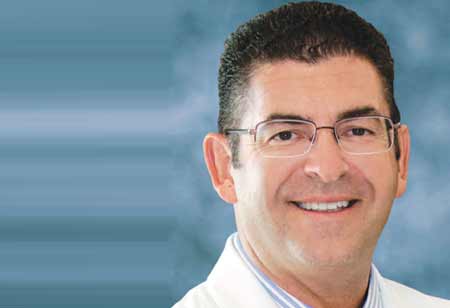
The Impact of Disruptive Physician Behavior on Support Staff
Mike Marino, EdD, MBA, Vice President Operations, Texas Oncology
IN MY OPINION
Clinical Laboratory Services
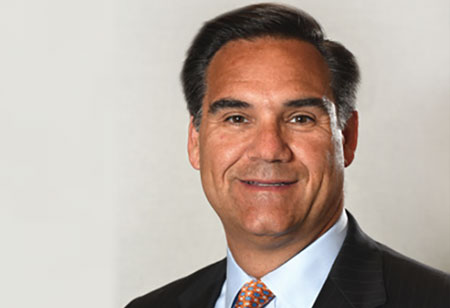
"One-Stop Shop": Utilizing Monarch Robotic Bronchoscopy and da Vinci Robotic Surgery to Diagnose and Treat Ground Glass Opacification (GGO) Lung Cancer
Paul Chomiak, MD, Director, Thoracic surgical oncology, Sarasota Memorial Health Care System
LAST WORD
Clinical Laboratory Services
3 Elements for Advancing Population Health Strategies
Patrick Young, President of Population Health, Hackensack MeridianHealth
IN FOCUS

Building a Genomics-Driven Cancer Prevention Ecosystem in Latin America
A shift to proactive cancer prevention in Latin America leverages genomic medicine by integrating risk testing into primary care, enhancing education, and utilizing cascade screening to improve outcomes.

Genetic Testing in Latin America: Transforming Insight into Healthcare Impact
Healthcare is shifting toward personalized models through genetic testing, enhancing oncology and pharmacogenomics, particularly in Latin America, which is becoming a key driver of genomic medicine advancements.
EDITORIAL
Advancing Patient Impact with Connected Capabilities
Technology and research are playing a pivotal role in this progress. Advancements in molecular diagnostics are enabling healthcare providers to identify cancer at earlier, more treatable stages. Precision medicine platforms are integrating genetic insights with clinical data to guide targeted therapies. At the same time, oncology centers of excellence are expanding access to multidisciplinary cancer care by combining advanced treatment technologies with patient-centered clinical expertise. Pharmaceutical distribution leaders are also strengthening access to critical oncology medicines, making life-saving therapies available to more patients across urban and remote regions.
This edition of Life Sciences Review Latin America recognizes organizations that are transforming cancer care across the region. It highlights leaders in cancer preventive testing, precision oncology, genetic risk analysis and pharmaceutical access, each contributing to a stronger and more equitable healthcare ecosystem.
It features thought leadership articles from experts including Dr. Jennifer A Wick, PharmD, MPH, BCACP, Assistant Director of Pharmacy for Ambulatory Services, and Dr. Burns C Blaxall, Ph.D., FACC, FAHA, FISHR, FAPS, Executive Director, Precision Health at The Christ Hospital Health Network, who explores how integrating pharmacists and technology is improving patient care through clinical decision support and pharmacogenomic testing. Alexander Koster, Senior Director System Special Projects at Nemours, shares how lessons from the COVID-19 pandemic and health equity work have improved pediatric care analysis. He underscores the role of IT leaders in driving change through analytics and integrating equity metrics into technology tools
We hope this edition delivers relevant perspective, practical direction and fresh insight into the innovations shaping the future of cancer care.
