

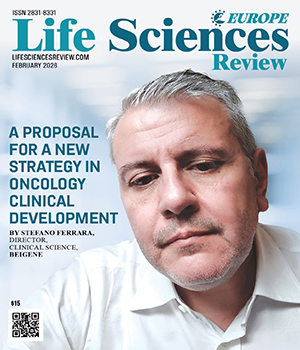
For the first time in the history of science, the scientific community has reached a great capacity to collect, analyze and report clinical data, the so called big data. However, there was no substantial change in the way we run clinical development in oncology, based on the randomized clinical trials paradigm, crystallized on a strategy designed 4 decades ago. This paradigm, although having the great merit to push forward the use of novel therapeutic agents, may not longer be the best option to deliver efficacious and safe drugs to the patients Few examples may bring some light on the issues we face today: • A rare lymphoma study, lasted more than 10 years, where the positive results will not be able to provide a game change in the therapeutic options of the disease, besides the well-known efficacy of the novel compound • A solid tumors study, where the OS of subjects having as bestresponse stable disease was equal or similar to OS of subjects having as best response progressive disease, raising questions about the impact of subsequent treatment, the difference between a stable and a slightly worsened disease and the ability of our tools – Recist – to detect these details • A solid tumors study, where the lack of ability to define the right biomarker or mutation to identify the population that may have maximum benefit from the treatment, lead to the failure of the entire trial These points, added to the huge cost of developing a novel treatment, may lead to an increase rate of failure or, even worse, to waste too much time waiting for the best treatment to reach the patients in need. We believe that a new paradigm should be developed, based on the points below: Defined endpoint should be established for every disease at every stage, is an increase in QoL more meaningful than a irrelevant survival increase in a cancer terminal patient? An improvement in PFS in disease where the survival is measured in years is
Clinical Laboratory Services
E.R.D.E.-AAK-Diagnostik GmbH is an independent, privately funded research and diagnostics laboratory specialised in agonistic autoantibodies against G-protein-coupled receptors (agAAB). For 25 years, it has focussed on these autoantibodies, which target receptors involved often triggered by viral infections. What scientific specialization defines E.R.D.E.-AAK-Diagnostik GmbH’s long-term research and diagnostic focus? The first 10 years of the laboratory focused on basic research of G-protein coupled receptors (GPCR), an important family of membrane proteins that transmit extracellular signals into cells. The GPCR superfamily includes several hundred receptors found in all human and animal tissues. In 2012, Robert J. Lefkowitz and Brian K. Kobilka received the Nobel Prize in Chemistry for elucidating the function of G protein-coupled receptors. They mediate the effects of various signalling molecules, such as hormones and neurotransmitters. GPCRs regulate nearly all bodily functions, controlling physiological processes and playing a central role in pathological conditions. They are primary targets for pharmacological therapies. Using the alpha-1 adrenergic receptor as an example in an animal model, E.R.D.E.-AAK-Diagnostik GmbH demonstrated that the respective agonistic autoantibody reduces blood flow and decreases the number of intact blood vessels. This GPCR regulates myocardial contractile function and glucose metabolism..
Supplements

Koncare Biotech, under the leadership of CEO and founder Concha Pérez, has firmly established itself as a pioneering force in the treatment of digestive disorders. The forward-thinking company is making significant strides in the rapidly evolving nutraceutical industry, leveraging clinical research, a deep understanding of gut health, and cutting-edge science to provide effective solutions. Specializing in digestive pathologies, Koncare’s holistic and integrative approach addresses the root causes of common ailments such as irritable bowel syndrome (IBS), intestinal dysbiosis, and metabolic-associated fatty liver disease (MAFLD), setting it apart from other players in the market. What makes Koncare truly unique, according to Pérez, is the company’s ability to blend applied clinical research with an integrative vision of health. It stands out by developing products with a solid scientific foundation that are also highly personalized for each digestive condition. This evidence-based, individualized approach enables Koncare to tackle complex, multifactorial digestive issues in a way that aligns with the latest scientific trends, anticipating developments in neurogastroenterology and gut microbiota. “We incorporated principles of neurogastroenterology and gut microbiota long before they became mainstream,” Concha Pérez notes, underscoring the company’s commitment to staying ahead of the curve. Its ability to foresee industry shifts is one reason Koncare recently expanded internationally, securing a distribution agreement in the UAE with Dr. Safwan Nached, CEO of Pharmapal—further solidifying its global presence. Koncare’s product portfolio reflects its philosophy of clinical innovation. Among the standout offerings is Disibex Forte, a specialized formulation designed to treat functional dyspepsia. This product goes beyond symptomatic relief by targeting the underlying pathophysiological mechanisms. Disibex Forte’s unique combination of probiotic strains, plant extracts, digestive enzymes, and immune modulators makes it one of a kind in its category. It also plays a crucial role as an adjuvant in Helicobacter pylori eradication therapy and in preventing and treating travelers’ diarrhea..
Supplements

A proposal for a new strategy in oncology clinical development
Stefano Ferrara, Director, Clinical Science, BeiGene
Drug Discovery and Development

Transforming Healthcare: The Crucial Role Of Diagnostic Radiology In Influencing Patient Experience And Outcomes
Greg Mtunz, General Manager Diagnostic Services, Buckinghamshire Healthcare NHS Trust
Supplements

Building Smarter, Safer and More Sustainable QA Systems
Imane Rouggani, Group Director Global Quality Operations, Besins Healthcare
Supplements

Taking an Inquirer-Centric Approach to Rare Disease Medical Information
Marcelo Vaz, Vice President, Medical Services, TMC Pharma Services Ltd
Supplements

Leveraging in vitro diagnostics tests to transform cancer care
Martin Bostrup, PhD, Executive Director, Market Access & Medical Affairs, EMEA, Veracyte

IN MY OPINION
Drug Discovery and Development
Navigating the Global Market Access Landscape with Purpose and Passion
Ulf Staginnus, VP of International Market Access & Pricing, Blueprint Medicines

LAST WORD
DNA Sequencing
The Next Technological Advancement in Resin Development
Sofie Stille, Vice President of Technology, Cytiva
IN FOCUS

Pharmacovigilance Reimagined: From Compliance to Proactive Lifecycle Safety in Europe
Pharmacovigilance has evolved into a proactive, data-driven discipline that integrates safety monitoring, qualified oversight, and real-world evidence to improve patient safety and regulatory compliance.

Operational Excellence: The Future of European Diagnostic Laboratory Services
Diagnostic laboratory services are evolving toward disciplined partnerships, prioritising reliability, workforce stability, and integrated value amid tightening healthcare economics globally.
EDITORIAL
Building Clinical Readiness through Advisory Rigor
Our cover story, PreClinical Safety (PCS) Consultants, recognized as Top Pharmaceutical Advisor Services in Europe 2026, exemplifies this alignment. As detailed in the cover feature, PCS positions nonclinical development as an integrated discipline rather than a sequence of isolated studies. Drawing on deep GLP training and regulatory engagement, the firm aligns dose selection, endpoint strategy, recovery design and exposure margins with clinical intent from the outset. Its emphasis on scientifically defensible reasoning anticipates regulatory scrutiny and reduces downstream repetition. By grounding every decision in mechanism, patient population and risk-benefit evaluation, PCS enables sponsors to move toward first-in-human readiness and marketing authorization with clarity and coherence.
In diagnostics, ERDE AAK Diagnostik, named Top Diagnostic Laboratory Service in Europe 2026, demonstrates how sustained scientific specialization translates into measurable clinical relevance. For 25 years, the laboratory has focused on agonistic autoantibodies against GPCRs, advancing research across Alzheimer’s disease, vascular dementia and post COVID conditions, including a US patent and documented cognitive stabilization following immunoadsorption. By connecting receptor-specific autoantibody analysis with personalized therapeutic decision making, ERDE AAK Diagnostik reinforces the link between molecular insight and patient care.
This issue also features strategic perspectives from Stefano Ferrara, Director, Clinical Science, BeiGene, who calls for a new oncology development paradigm that integrates flexible endpoints and continuous evaluation, and Greg Mtunz, General Manager, Diagnostic Services, Buckinghamshire Healthcare NHS Trust, who underscores early diagnosis and imaging investment as levers for better outcomes and cost efficiency.
Together, these voices show that disciplined scientific reasoning, aligned with regulatory and clinical realities, is the foundation of sustainable progress. We invite you to explore the full issue and engage with the strategies shaping Europe’s pharmaceutical and diagnostic landscape.
